
Manufacture Sunflower Oil: A Comprehensive Guide to Refined Sunflower Oil Production

Refined sunflower oil is a staple in kitchens and industries worldwide. Its light taste, high smoke point, and health benefits make it a preferred choice for cooking and food manufacturing. Understanding the manufacture sunflower oil process is essential for wholesale buyers, manufacturers, and distributors who want to ensure quality and efficiency in their supply chain. In this article, I will walk you through the entire process, highlighting key steps and considerations.
The Importance of Manufacture Sunflower Oil Quality
Quality in sunflower oil manufacturing starts with the raw material. Sunflower seeds must be carefully selected for oil content and purity. The seeds are typically sourced from regions with optimal growing conditions to ensure high yield and quality. Once the seeds arrive at the processing plant, they undergo cleaning to remove impurities such as dust, stones, and plant debris.
Maintaining quality throughout the manufacture sunflower oil process is crucial. Impurities or poor handling can affect the oil’s taste, shelf life, and nutritional value. For wholesale buyers and distributors, sourcing from manufacturers who follow strict quality control measures guarantees a premium product that meets market demands.
Key Stages in the Manufacture Sunflower Oil Process
The manufacture sunflower oil process involves several stages, each designed to extract and refine the oil efficiently. These stages include:
- Seed Cleaning and Preparation - Removing foreign materials and preparing seeds for extraction.
- Seed Conditioning and Flaking - Heating and flattening seeds to improve oil extraction.
- Oil Extraction - Using mechanical pressing or solvent extraction to obtain crude oil.
- Oil Refining - Removing impurities, free fatty acids, and undesirable components.
- Packaging and Storage - Ensuring the oil is stored and packed to maintain quality.
Each stage requires specialized equipment and expertise. For example, seed conditioning involves controlled heating to soften the seeds without damaging the oil quality. Flaking increases the surface area, making oil extraction more efficient.
How is refined oil made step by step?
Understanding how refined oil is made step by step helps in appreciating the complexity and precision involved. Here is a detailed breakdown:
Step 1: Cleaning and Dehulling
Sunflower seeds are cleaned using sieves, air classifiers, and magnets to remove dirt, stones, and metal particles. Dehulling removes the seed coat, which contains fiber and reduces oil yield if left intact.
Step 2: Conditioning and Flaking
The seeds are heated to about 60-70°C in a conditioner. This softens the seeds and prepares them for flaking. The flaking process uses rollers to crush the seeds into thin flakes, increasing the surface area for oil extraction.
Step 3: Oil Extraction
There are two main methods:
- Mechanical Pressing: The flakes are pressed using expellers to extract crude oil. This method is chemical-free but may leave some oil in the cake.
- Solvent Extraction: Hexane or other solvents are used to extract oil from the pressed cake, maximizing yield.
Step 4: Crude Oil Filtration
The extracted crude oil contains impurities like seed particles and gums. Filtration removes these solids to prepare the oil for refining.
Step 5: Refining Process
Refining improves oil quality by removing free fatty acids, phospholipids, pigments, and odors. The main refining steps include:
- Degumming: Water or acid treatment removes phospholipids.
- Neutralization: Alkali treatment neutralizes free fatty acids.
- Bleaching: Activated clay removes pigments and impurities.
- Deodorization: Steam distillation removes volatile compounds causing odor.
The result is clear, odorless, and stable refined sunflower oil.
Step 6: Packaging and Storage
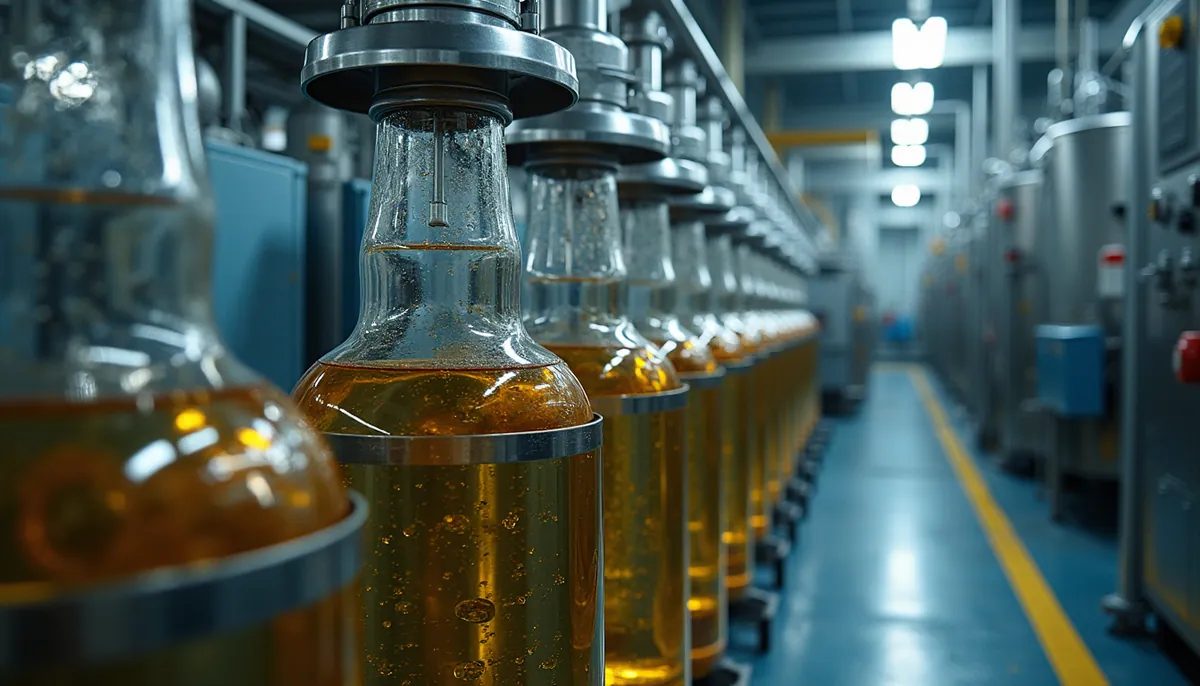
Refined oil is packed in food-grade containers under hygienic conditions. Proper storage in cool, dark places prevents oxidation and extends shelf life.
Practical Tips for Ensuring Quality in Sunflower Oil Manufacturing
To maintain high standards in the manufacture sunflower oil process, consider the following recommendations:
- Source High-Quality Seeds: Work with reliable suppliers who provide seeds with consistent oil content.
- Invest in Modern Equipment: Use advanced cleaning, extraction, and refining machinery to improve efficiency and product quality.
- Monitor Process Parameters: Control temperature, pressure, and timing during conditioning, extraction, and refining to avoid oil degradation.
- Implement Quality Control Checks: Regularly test oil for acidity, color, and purity to ensure it meets industry standards.
- Maintain Hygiene Standards: Clean equipment and storage areas to prevent contamination.
- Train Staff Thoroughly: Skilled operators can identify and correct issues promptly, reducing waste and improving output.
By following these tips, manufacturers can produce refined sunflower oil that meets the expectations of wholesale buyers and distributors worldwide.
The Role of Technology in Modern Sunflower Oil Production
Technology plays a vital role in optimizing the manufacture sunflower oil process. Automation and digital monitoring systems allow precise control over each stage, reducing human error and increasing throughput. For example:
- Automated Seed Cleaning Systems: Ensure consistent removal of impurities.
- Temperature-Controlled Conditioners: Maintain optimal heating for seed conditioning.
- Continuous Solvent Extraction Units: Maximize oil recovery with minimal solvent use.
- Advanced Refining Techniques: Use membrane filtration and enzymatic degumming for better oil quality.
Adopting these technologies helps manufacturers meet growing global demand while maintaining product excellence.
Why Refined Sunflower Oil Manufacturing Process Matters for Global Trade
The refined sunflower oil manufacturing process is critical for ensuring that the oil meets international quality standards. For wholesale buyers and distributors, understanding this process helps in selecting suppliers who can deliver consistent, high-quality products.
Refined sunflower oil from Ukraine, for example, is renowned for its purity and quality due to advanced manufacturing practices. Platforms like Refine Sunflower Oil connect buyers with top manufacturers, facilitating global trade and expanding market reach.
By focusing on quality and transparency in the manufacturing process, the industry can build trust and foster long-term partnerships.
Final Thoughts on Manufacturing Refined Sunflower Oil
Manufacturing refined sunflower oil is a complex but rewarding process. It requires attention to detail, quality control, and the right technology to produce a product that meets the needs of diverse industries. For wholesale buyers, manufacturers, and distributors, understanding the entire process—from seed selection to packaging—ensures better decision-making and supply chain management.
Investing in quality at every stage of the manufacture sunflower oil process leads to a superior product that stands out in the global market. As demand for healthy and versatile cooking oils grows, refined sunflower oil will continue to be a key player in the edible oil industry.
Buying direct from the exporter
We supply sunflower oil in bulk on FOB or CIF terms under Incoterms 2020, payable by bank transfer in EUR or USD. The same contract can cover neutral refined sunflower oil.
If you are new to importing this oil, Refined Sunflower Oil is the companion piece. We also cover Which Fits Your Production Needs?.
To move this forward, ask for a quotation with your volume and port of discharge.
Related reading
Refined Sunflower Oil Production Process: A Comprehensive Overview
Refined sunflower oil is a staple in many industries, valued for its light taste, high smoke point, and nutritional benefits. Understanding the sunflower oil pr…

Exploring Refined Sunflower Oil Uses: A Comprehensive Guide for Wholesale Buyers and Manufacturers
Refined sunflower oil is a versatile and widely used cooking oil that has gained significant attention in the global market. Its neutral flavor, high smoke poin…
The Production Process of Refined Sunflower Oil
Refined sunflower oil is a staple ingredient in many kitchens and industries worldwide. Its light flavor, high smoke point, and nutritional benefits make it a p…