
The Production Process of Refined Sunflower Oil
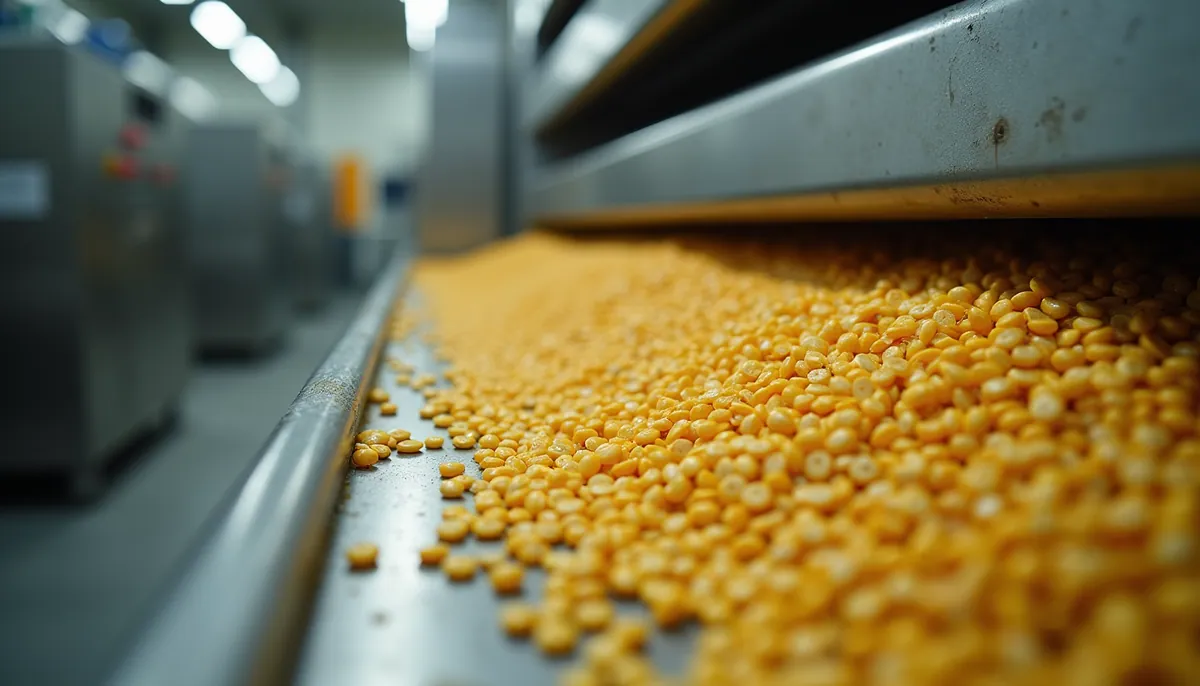
Refined sunflower oil is a staple ingredient in many kitchens and industries worldwide. Its light flavor, high smoke point, and nutritional benefits make it a preferred choice for cooking and food manufacturing. Understanding the production process of refined sunflower oil is essential for wholesale buyers, manufacturers, and distributors who seek quality and consistency in their supply chain. This article provides a detailed overview of how refined sunflower oil is produced, highlighting each step from seed to final product.
The Production of Sunflower Oil: From Seed to Oil
The production of sunflower oil begins with the selection of high-quality sunflower seeds. These seeds are the raw material that determines the oil’s quality, flavor, and nutritional profile. Once harvested, the seeds undergo cleaning to remove impurities such as dirt, stones, and plant debris. This step ensures that the oil extracted is pure and free from contaminants.
After cleaning, the seeds are dried to reduce moisture content. Proper drying is crucial because excess moisture can affect the extraction efficiency and the oil’s shelf life. The dried seeds are then dehulled to remove the outer shell, which contains little oil and can affect the refining process.
The next step is crushing or pressing the seeds to extract crude sunflower oil. Mechanical pressing or solvent extraction methods are commonly used. Mechanical pressing involves physically squeezing the oil out of the seeds, while solvent extraction uses chemicals like hexane to dissolve the oil. The crude oil obtained contains impurities such as free fatty acids, phospholipids, and pigments, which require refining.
Refining Sunflower Oil: Key Steps in the Production Process
Refining is a critical phase in the production of sunflower oil. It improves the oil’s quality by removing unwanted substances that affect taste, color, and stability. The refining process typically includes degumming, neutralization, bleaching, and deodorization.
- Degumming: This step removes phospholipids and gums from the crude oil. Water or acid is added to hydrate these impurities, which are then separated by centrifugation.
- Neutralization: Free fatty acids in the oil are neutralized using an alkali solution, usually sodium hydroxide. This reaction forms soapstock, which is removed to reduce acidity and improve oil stability.
- Bleaching: The oil is treated with bleaching earth or activated carbon to remove pigments, trace metals, and oxidation products. This step lightens the oil’s color and enhances its appearance.
- Deodorization: Steam distillation under vacuum removes volatile compounds responsible for undesirable odors and flavors. This step ensures the oil has a neutral taste and aroma suitable for cooking and food production.
Each refining step is carefully controlled to maintain the oil’s nutritional value, particularly its content of vitamin E and unsaturated fatty acids.

What is the Unhealthiest Oil to Cook With?
When considering oils for cooking, health implications are a major concern. Some oils contain high levels of trans fats, saturated fats, or are prone to oxidation at high temperatures, which can produce harmful compounds.
The unhealthiest oils to cook with are typically those high in trans fats or saturated fats, such as partially hydrogenated vegetable oils and palm oil. These oils can increase the risk of heart disease and other health issues. Additionally, oils with low smoke points, like unrefined flaxseed or walnut oil, can break down and release toxic substances when heated.
Refined sunflower oil, by contrast, has a high smoke point and contains mostly unsaturated fats, making it a healthier option for frying and other high-temperature cooking methods. Its refining process removes impurities that could otherwise degrade during cooking.
The Role of Quality Control in Sunflower Oil Production
Maintaining consistent quality is vital in the production of refined sunflower oil. Quality control measures are implemented at every stage, from seed selection to packaging. These measures include:
- Seed testing: Checking moisture content, oil content, and purity.
- Process monitoring: Ensuring optimal temperatures, pressures, and chemical dosages during refining.
- Laboratory analysis: Testing for free fatty acids, peroxide value, color, and contaminants.
- Packaging inspection: Verifying that containers are clean, sealed, and labeled correctly.
Adhering to strict quality standards guarantees that the final product meets industry requirements and customer expectations. It also helps in building trust with international buyers and distributors.
Sustainability and Innovation in Sunflower Oil Production
The sunflower oil industry is evolving with a focus on sustainability and innovation. Producers are adopting eco-friendly practices such as:
- Using renewable energy sources in processing plants.
- Implementing waste reduction techniques, including recycling seed husks as biomass fuel.
- Developing advanced refining technologies that reduce chemical use and energy consumption.
Innovation also extends to breeding sunflower varieties with higher oil yields and improved fatty acid profiles. These advancements contribute to more efficient production and better-quality refined sunflower oil.
For those interested in the technical details, you can explore more about how is refined sunflower oil made to gain deeper insights into the process.
Ensuring Supply Chain Efficiency for Refined Sunflower Oil
For wholesale buyers, manufacturers, and distributors, supply chain efficiency is crucial. Reliable sourcing of premium refined sunflower oil depends on:
- Establishing strong relationships with reputable producers.
- Understanding production timelines and capacity.
- Monitoring market trends and price fluctuations.
- Ensuring compliance with international quality and safety standards.
By focusing on these factors, businesses can secure a steady supply of high-quality refined sunflower oil that meets the demands of diverse industries worldwide.
This comprehensive overview of the production process of refined sunflower oil highlights the importance of each step in delivering a premium product. From seed selection to refining and quality control, every phase contributes to the oil’s final quality and suitability for various applications. Embracing sustainability and innovation further strengthens the industry’s ability to meet global demand efficiently and responsibly.
Buying to an agreed specification
Our bulk RBD sunflower oil ships with full export documentation and a certificate of analysis for each consignment. Buyers running their own refinery usually ask about non-degummed sunflower oil instead.
How to Winterize Sunflower Oil: Process, Purpose, and Buyer Benefits covers a related quality parameter. See also Refined Sunflower Oil Production Process.
If you need a figure to work with, get in touch with our export desk with your target quantity and Incoterm.
Related reading
Understanding the Sunflower Oil Refining Process: How Refined Sunflower Oil Is Made
Refined sunflower oil is a staple in many industries, valued for its light taste, high smoke point, and versatility. For wholesale buyers, manufacturers, and di…
How Sunflower Oil Is Refined: The Full Industrial Process Explained
<h2>Introduction: Why Refining Sunflower Oil Matters for Bulk Oil Buyers</h2> <p>How Sunflower Oil Is Refined: The Full Industrial Process Explained. For busine…
Manufacture Sunflower Oil: A Comprehensive Guide to Refined Sunflower Oil Production
Refined sunflower oil is a staple in kitchens and industries worldwide. Its light taste, high smoke point, and health benefits make it a preferred choice for co…