
Exploring Refined Sunflower Oil Uses: A Comprehensive Guide for Wholesale Buyers and Manufacturers

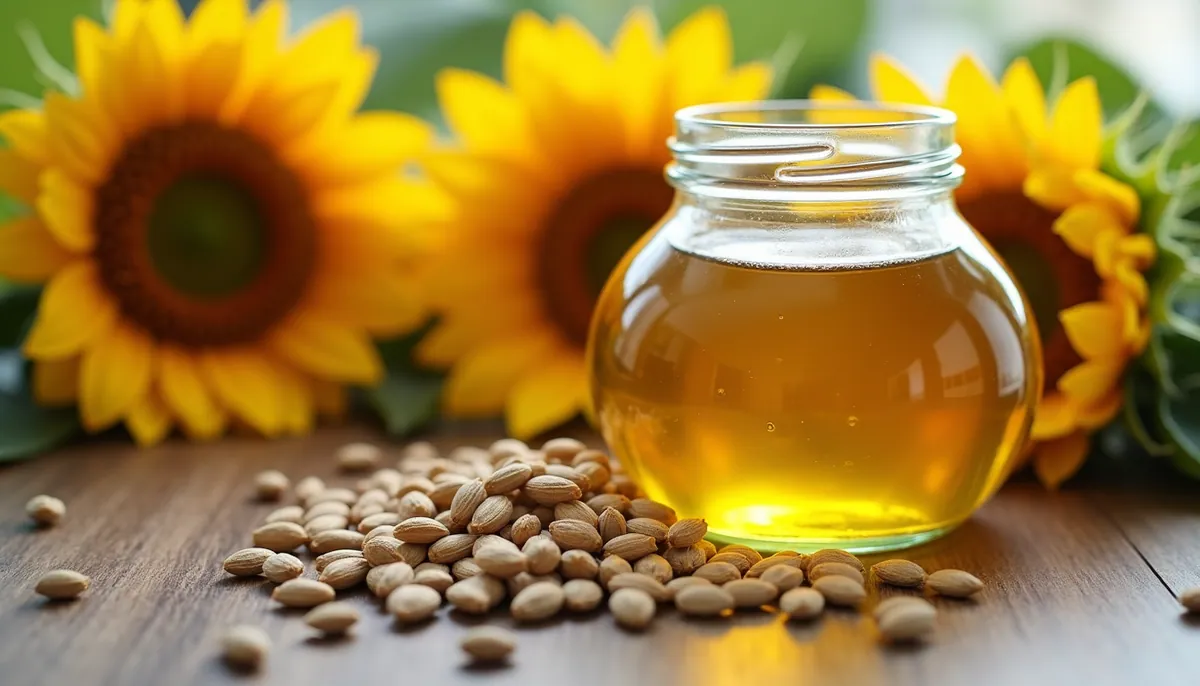
Refined sunflower oil is a versatile and widely used cooking oil that has gained significant attention in the global market. Its neutral flavor, high smoke point, and health benefits make it a preferred choice for many industries. In this article, I will explore the various aspects of refined sunflower oil, focusing on its uses, production process, and key differences from unrefined sunflower oil. This guide aims to provide practical insights for wholesale buyers, manufacturers, and distributors looking to source premium refined sunflower oil efficiently.
Understanding Refined Sunflower Oil Uses
Refined sunflower oil is popular in many sectors due to its stability and mild taste. It is commonly used in food production, cosmetics, and even industrial applications. Here are some of the primary uses:
- Cooking and frying: Its high smoke point (around 450°F or 232°C) makes it ideal for deep frying and sautéing without breaking down or producing harmful compounds.
- Baking: The neutral flavor of refined sunflower oil does not overpower baked goods, making it a preferred ingredient in cakes, muffins, and bread.
- Salad dressings and mayonnaise: Its light texture blends well with other ingredients, enhancing the taste without adding heaviness.
- Cosmetic products: Refined sunflower oil is often used in skincare formulations due to its moisturizing properties and vitamin E content.
- Industrial uses: It serves as a base for bio-lubricants and other non-food products.
For wholesale buyers and manufacturers, understanding these uses helps in selecting the right grade and quantity of refined sunflower oil to meet specific production needs.
The Production Process of Refined Sunflower Oil
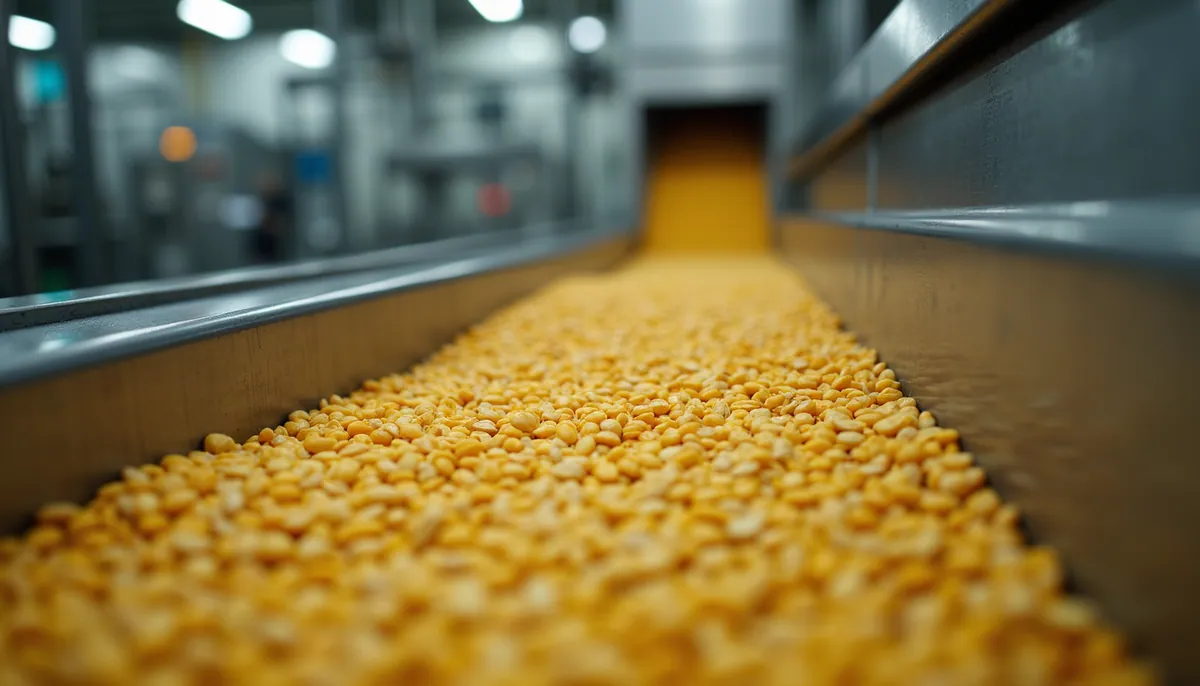
The journey from sunflower seeds to refined sunflower oil involves several steps designed to improve oil quality and shelf life. Here is a breakdown of the process:
- Seed cleaning and preparation: Sunflower seeds are cleaned to remove impurities such as dirt, stones, and plant debris.
- Extraction: Oil is extracted from the seeds using mechanical pressing or solvent extraction methods.
- Degumming: This step removes phospholipids and other gums that can affect oil stability.
- Neutralization: Free fatty acids are neutralized using alkali treatment to reduce acidity.
- Bleaching: The oil is treated with bleaching earth or activated carbon to remove pigments and impurities.
- Deodorization: Steam distillation removes volatile compounds that cause undesirable odors and flavors.
- Winterization (optional): This process removes waxes to prevent cloudiness in cold storage.
The result is a clear, light-colored oil with a long shelf life and consistent quality. This refined oil is suitable for various applications, especially in food manufacturing and processing.
What is the difference between refined sunflower oil and sunflower oil?
Understanding the difference between refined sunflower oil and unrefined sunflower oil is crucial for making informed purchasing decisions. Here are the key distinctions:
- Processing: Unrefined sunflower oil is extracted through cold pressing and undergoes minimal processing. Refined sunflower oil, on the other hand, goes through extensive refining steps to remove impurities.
- Color and clarity: Unrefined oil is darker and cloudier due to natural pigments and particles. Refined oil is clear and light yellow.
- Flavor and aroma: Unrefined oil retains a nutty, sunflower flavor, while refined oil has a neutral taste and odor.
- Smoke point: Refined sunflower oil has a higher smoke point, making it better suited for high-temperature cooking.
- Shelf life: Refined oil has a longer shelf life due to the removal of unstable compounds.
For manufacturers and distributors, choosing between these oils depends on the intended use. Refined sunflower oil is preferred for large-scale food production and frying, while unrefined oil is often used in specialty or health-focused products.
Quality Standards and Certifications for Refined Sunflower Oil
When sourcing refined sunflower oil, it is essential to consider quality standards and certifications that ensure product safety and consistency. Some important factors include:
- Purity and composition: The oil should meet specified limits for free fatty acids, moisture, and impurities.
- Fatty acid profile: High oleic or linoleic acid content may be preferred depending on the application.
- Certifications: Look for ISO, HACCP, and food safety certifications that guarantee compliance with international standards.
- Origin: Ukrainian refined sunflower oil is renowned for its quality due to favorable growing conditions and advanced processing facilities.
- Packaging: Proper packaging protects the oil from oxidation and contamination during transport and storage.
Adhering to these standards helps maintain product integrity and builds trust with buyers and end-users.
Tips for Wholesale Buyers and Distributors
For those involved in the wholesale and distribution of refined sunflower oil, here are some practical recommendations:
- Source from reputable manufacturers: Partner with suppliers who provide transparent information about their refining process and quality control.
- Request samples: Testing samples before bulk purchase ensures the oil meets your specifications.
- Consider storage conditions: Store refined sunflower oil in a cool, dark place to preserve its quality.
- Negotiate flexible contracts: Establish agreements that allow adjustments based on market demand and supply fluctuations.
- Stay informed about market trends: Monitor global sunflower seed production and oil prices to make strategic purchasing decisions.
By following these tips, businesses can optimize their supply chain and deliver consistent products to their customers.
Future Trends in the Refined Sunflower Oil Market
The demand for refined sunflower oil is expected to grow due to increasing awareness of its health benefits and versatility. Some emerging trends include:
- Sustainability: Producers are adopting eco-friendly practices, such as using renewable energy and reducing waste.
- Product innovation: Development of high-oleic sunflower oil varieties with improved stability and nutritional profiles.
- Expansion into new markets: Increased exports from Ukraine and other major producers to Asia, Africa, and the Americas.
- Technological advancements: Improved refining techniques that enhance oil quality while minimizing environmental impact.
Staying ahead of these trends will help manufacturers and distributors capitalize on new opportunities in the global refined sunflower oil market.
For those interested in sourcing premium refined sunflower oil, I recommend exploring Refine Sunflower Oil as a reliable platform connecting international buyers with top Ukrainian manufacturers. This resource offers comprehensive information and access to high-quality products tailored to diverse industry needs.
Sourcing this grade in bulk
Refine Sunflower Oil has exported from Kyiv since 2000 and supplies neutral refined sunflower oil direct, without a trading intermediary. Used cooking oil (UCO) is offered on the same basis.
Choosing High Heat Cooking Oils is the natural next step if you are vetting suppliers.
When you are ready to compare real numbers, start a quote request. See our packaging and loading photographs for how that side is handled.
Related reading
Bulk Refined Sunflower Oil for Food Manufacturers: Wholesale Pricing Guide 2026
A complete wholesale buying guide for food manufacturers sourcing refined sunflower oil in bulk — covering pricing tiers, grades, packaging formats, MOQs, and h…
Refined Sunflower Oil Production Process: A Comprehensive Overview
Refined sunflower oil is a staple in many industries, valued for its light taste, high smoke point, and nutritional benefits. Understanding the sunflower oil pr…

Refined Sunflower Oil: Benefits and Uses
Refined sunflower oil is a versatile and widely used cooking oil that has gained popularity in various industries. Its neutral flavor, high smoke point, and hea…