
Product line
Bulk Crude Palm Oil (CPO) — Supplier and Exporter
Refine Sunflower Oil supplies crude palm oil (CPO) in bulk to refiners, oleochemical producers and industrial buyers who process unfinished oil. Palm is not a Ukrainian crop, so crude palm oil is a grade we source and export rather than one we produce; the sunflower oil we manufacture in Kyiv is quoted alongside it on the same terms. This page sets out what crude palm oil is, how the world market grades and prices it, where it sits in the palm grade ladder, and what belongs in an enquiry.
What crude palm oil is
Crude palm oil is the unrefined oil pressed from the mesocarp, the orange fleshy pulp of the fruit of the oil palm, Elaeis guineensis. At the mill the fruit bunches are sterilised with steam, the fruit is stripped from the bunch and the pulp is pressed; the oil that comes off that press, clarified and dried but not refined, is crude palm oil. The kernel at the centre of the same fruit is a separate raw material and yields palm kernel oil, a different commodity with a different fatty acid profile.
CPO has not been neutralised, bleached or deodorised. It still carries the free fatty acids, gums, moisture and pigments that refining removes, which is exactly why it is bought by parties who intend to refine it. The Codex Alimentarius Standard for Named Vegetable Oils, CODEX STAN 210-1999, covers palm oil along with palm olein and palm stearin and sets the characteristics by which the oil is identified. Where a contract references Codex, the certificate of analysis for the consignment still governs the lot delivered.
Why crude palm oil is red, and what that tells a refiner
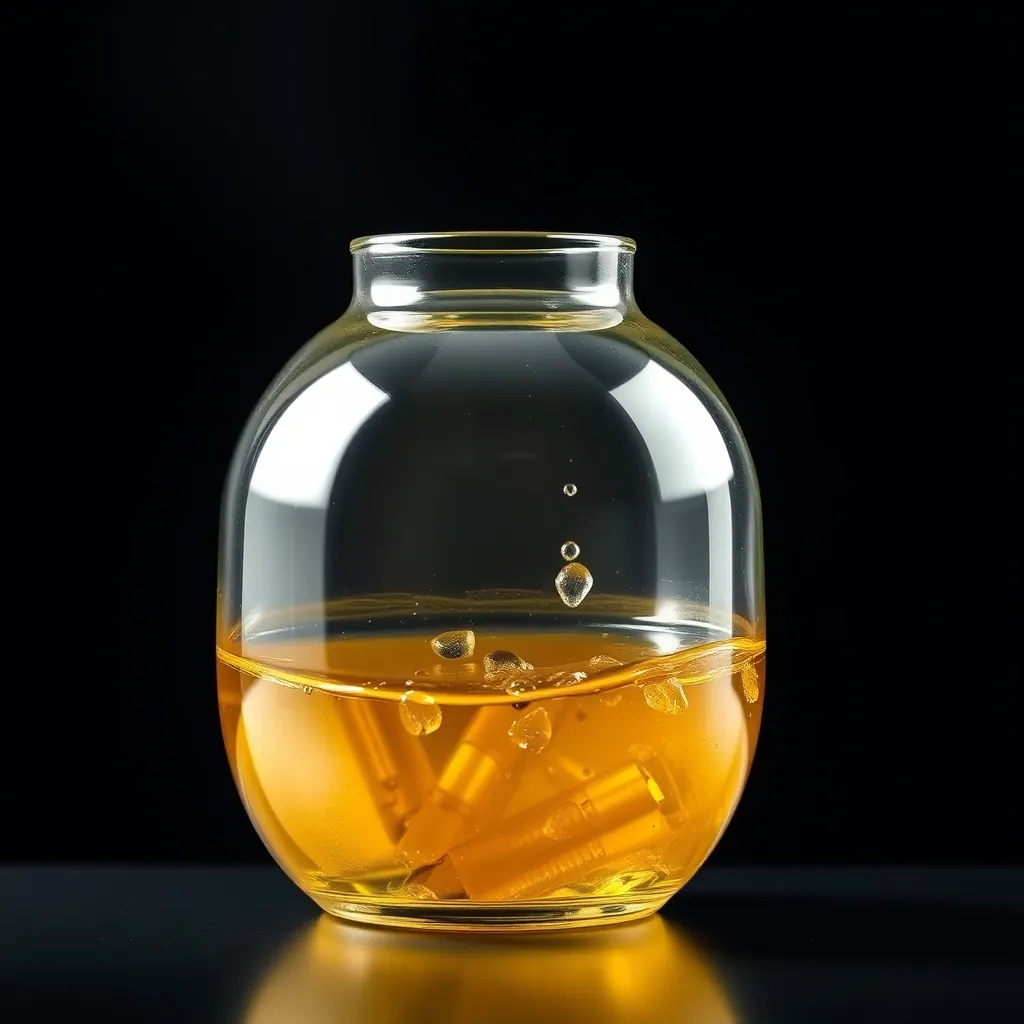
The deep orange-red colour of crude palm oil comes from carotenoids in the fruit pulp; the oil also carries tocotrienols, a form of vitamin E. Refining strips both, which is why RBD palm oil is pale. For a refiner the colour is not cosmetic information: how readily an oil will bleach is one of the properties a buyer tests for, and a bleachability requirement is a normal line in a CPO contract.
Palm oil is also semi-solid at temperate ambient temperature, a consequence of its palmitic acid content. That property shapes handling, packing and discharge, and it is the reason palm displaced partially hydrogenated fats in a great many formulations: it supplies solid structure without hydrogenation.
Where crude palm oil comes from, and how the market prices it
Production is concentrated. Indonesia and Malaysia together account for the great majority of the world's palm oil, with further output from Thailand, Colombia, Nigeria, Papua New Guinea, Guatemala and Ghana. That concentration is why palm is the most liquid and most closely watched of the vegetable oil markets, and why a weather event or a policy change in one country moves the price everywhere.
Crude palm oil is priced in US dollars per tonne against published market references, most visibly the crude palm oil futures contract traded on Bursa Malaysia Derivatives and the CIF Rotterdam cash quotations. We publish no price on this page, because a figure written here would be stale by the time it was read. A price is quoted against your volume, your packing format, your destination port and your loading window, and it holds for a stated validity period.
CPO, RBD palm oil, palm olein and palm stearin
Crude palm oil is the first rung of a ladder, and knowing where your own process joins that ladder saves a round of correspondence.
- Crude palm oil (CPO). Unrefined, for buyers with refining capacity.
- RBD palm oil. Refined, bleached and deodorised: pale, neutral in taste and odour, ready for food manufacturing.
- Palm olein. The liquid fraction separated from RBD palm oil by controlled cooling and filtration, and the standard cooking and frying oil across much of Asia and Africa.
- Palm stearin. The hard fraction left behind, used in bakery fats, margarine formulation, soap and a range of technical applications.
- Palm kernel oil. Not a fraction of palm oil at all, but a separate oil from the kernel: lauric rather than palmitic.
If your plant starts after refining, ask for RBD palm oil or a named fraction. If you refine in-house, CPO is the grade on this page.
Who buys crude palm oil
- Edible oil refiners producing RBD palm oil, olein and stearin for their own market.
- Oleochemical manufacturers splitting the oil into fatty acids and glycerine.
- Soap and detergent producers using palm-derived fatty acids as a base.
- Biofuel and renewable diesel producers, where the destination's policy framework admits a crop-based feedstock.
- Traders and importers consolidating parcels for onward sale into a regional market.
What these buyers have in common is that they are purchasing a feedstock and will measure it before it enters their process. That is the right way to buy CPO, and it is the basis on which we quote it.
- Palm against sunflower on landed costWhat actually makes one cheaper to import
- Incoterms for edible oil cargoFOB, CIF, CFR and DAP explained for buyers
- Container loading comparedFlexitank, drum and IBC set side by side
- What else we doSourcing, bottling, documentation and logistics
- Open a CPO enquiryLimits, volume, packing, port and Incoterm
What to specify in a crude palm oil enquiry
We do not publish specification figures. Crude palm oil is contracted against limits the buyer sets, and the certificate of analysis for the consignment reports what was loaded against them. A refinery knows its own tolerances better than any supplier datasheet can guess them.
- The maximum free fatty acid content your refinery can process, with the method named.
- Moisture and impurities limits, stated separately or combined, as you contract them.
- A bleachability requirement if your refining route depends on it.
- Any iodine value or colour range your downstream specification needs held.
- Trace contaminant limits imposed by your import regime.
- Volume, packing format, destination port and the Incoterm you want quoted.
- Whether a sustainability certification scheme applies in your market.
Name the test method against each limit, and state in the contract whether pre-shipment inspection is required and who appoints the inspector. SGS, Intertek and Bureau Veritas are commonly nominated by buyers for that role, and we work to whichever is named.
Packing and handling a semi-solid oil
Because palm oil sets at temperate ambient temperature, packing has to be chosen with discharge in mind. An oil that arrives solid is not a problem if the receiving site can heat it, and a serious one if it cannot.
- ISO tank. A reusable tank container, often steam-coiled, the cleanest answer for bulk movements into a site with heating and pumping.
- Flexitank. A single-use liner inside a standard container: the lowest cost per tonne on the right lane, but route and season both need weighing first.
- Drums of 190 kg. Robust, tolerant of a set oil, and the practical choice for inland destinations or batch melting.
- IBC. Palletised and stackable, for mid-volume receivers with no tank intake.
Give us the destination port, the ambient temperature on arrival and what you can discharge with, and we will tell you which formats are realistic rather than quoting all four.
Sustainability requirements, certification and documentation
Our food safety systems are certified to HACCP and ISO 22000, and non-GMO grades are available on request. Those are the certifications we hold.
Palm oil carries market obligations that most other oils do not. Many European buyers are required by their own customers to purchase against RSPO certification, and the EU Deforestation Regulation places due diligence obligations, including geolocation of the plot of production, on operators placing palm oil and its derivatives on the EU market. We do not hold RSPO certification. State the requirement in your first email if your market imposes it, and we will tell you straight away whether we can serve the line.
Every consignment ships with a certificate of analysis and a certificate of origin, with the commercial invoice, packing list and bill of lading alongside. Palm oil and its fractions classify under HS heading 1511; your customs broker confirms the subheading that applies to the grade you buy.
Trade terms and how to enquire
We quote FOB or CIF to a named port under Incoterms 2020. FOB puts ocean freight and marine insurance in your hands from the port of shipment; CIF puts them in ours and gives you one landed figure that can be compared across suppliers. Either way the port must be named in the contract. Payment is by bank transfer (T/T) in EUR or USD, and lead time is typically 7 to 14 days from order confirmation.
Write to export@refinesunfloweroil.com, or use the contact form, with the limits you need held, the volume, the packing format, the destination port and the Incoterm. We are at Gareth Jones St 8, 04119 Kyiv, Ukraine, and have been exporting edible oils since 2000.
The refined counterpart and related palm grades
CPO is bought by refiners and processors. The RBD grade is the one food manufacturers specify, and palm kernel oil is a separate product from the same fruit.
Supply & shipping terms
- Incoterms
- FOB or CIF, named port, Incoterms 2020
- Payment
- Bank transfer (T/T) in EUR or USD
- Lead time
- Typically 7–14 days from order confirmation
- Documentation
- Certificate of analysis, certificate of origin, full export documents
- Food safety
- HACCP and ISO 22000
- Area served
- Worldwide
Specifications are indicative. Contract terms and a certificate of analysis are issued per consignment.