
Product line
Bulk Crude Canola Oil — Degummed Rapeseed Oil Supplier
Crude canola oil is unrefined low erucic acid rapeseed oil, bought as feedstock by companies that do their own processing. We produce it in Ukraine and export it to refiners, oleochemical plants, feed and technical processors and biofuel producers, against the limits those buyers set rather than against a published house specification. This page covers what the grade is, how degumming is contracted, what to specify, and how it ships.
What crude canola oil is, and how it differs from the refined grade
Crude oil is what comes off the press and the extractor before any refining: it still carries the phosphatides, free fatty acids, colour bodies, waxes and trace metals that refining removes. That is not a defect, it is the point. A refiner buys the crude grade precisely in order to keep the neutralising, bleaching, winterising and deodorising margin in its own plant, and prices the oil on how much work is left to do.
The consequence for a contract is that a crude oil enquiry turns on different numbers from a refined one. Nobody buying crude oil cares what colour it is in the drum; they care about phosphorus, free fatty acid, moisture and impurities, because those four determine refining loss, bleaching earth consumption and neutral oil yield.
Crude, degummed and super-degummed: what the words mean in a contract
Degumming is the removal of phosphatides — the gums — and the three terms describe how far that has been taken. Crude oil is undegummed and arrives with its gums intact. Water degumming removes the hydratable phosphatides. Acid or so-called super degumming goes further and takes out much of the non-hydratable fraction as well, which is what a physical refining route or a biodiesel transesterification step usually needs.
Because the labels are used loosely across the trade, the useful instruction in a contract is a phosphorus limit rather than an adjective. State the maximum phosphorus content your process can accept, together with the test method, and the degumming state follows from it. We confirm against the limit you state before loading; the certificate of analysis for the consignment reports the result.
Canola or rapeseed on the contract, and the erucic acid line
The two names describe the same crop, and the low erucic acid qualifier is the part that carries legal weight. The Codex Alimentarius standard for named vegetable oils (CODEX STAN 210-1999) defines rapeseed oil of the low erucic acid type as oil produced from low erucic acid seed of varieties derived from Brassica napus L., Brassica rapa L. and Brassica juncea L., and names low erucic acid turnip rape oil, low erucic acid colza oil and canola oil as the same product. Codex also sets the ceiling for that type at not more than 2 percent erucic acid as a percentage of total fatty acids.
For a feedstock buyer the practical point is that crude rapeseed oil and crude low erucic acid rapeseed oil are not interchangeable if the end product is food. Write the type into the contract, with the erucic acid limit your market requires, rather than relying on the word canola to carry it.
Who buys crude canola oil
- Refiners and crushers taking it as refinery feedstock for a food-grade output.
- Oleochemical plants making fatty acids, esters, surfactants and biodegradable lubricant bases.
- Biodiesel and renewable diesel producers using it as a lipid feedstock.
- Feed and technical processors using unrefined oil as a raw-material input.
- Tollers and blenders who need an unfinished input to process on behalf of third parties.
Biofuel buyers: settle the sustainability scheme before the contract
If the oil is going into a European biofuel obligation, check the scheme requirement first, because it decides whether a consignment is usable at all. Renewable fuel producers in the European Union are routinely obliged to buy against a recognised voluntary sustainability scheme, most commonly ISCC, in order for the volume to count towards a national obligation under the Renewable Energy Directive.
We do not hold ISCC certification. Our food safety systems are certified to HACCP and ISO 22000, and those are the certifications we hold. If your programme requires a scheme we are not certified under, say so at the enquiry stage rather than after a draft contract exists.
Codex reference parameters for low erucic acid rapeseed oil
The ranges below belong to the Codex Alimentarius standard for named vegetable oils (CODEX STAN 210-1999) and describe the standard rather than a consignment. They are identity characteristics: a laboratory uses them to confirm that an oil is what it is sold as. The certificate of analysis issued with your shipment is what governs, and your own specification may be tighter.
- Relative density (20°C/water at 20°C): 0.914 – 0.920
- Refractive index (ND 40°C): 1.465 – 1.467
- Saponification value: 182 – 193 mg KOH/g oil
- Iodine value: 105 – 126
- Unsaponifiable matter: not more than 20 g/kg
- Erucic acid, for the low erucic acid type: not more than 2 percent of total fatty acids
- Crismer value: 67 – 70
- Brassicasterol: greater than 5 percent of total sterols
The last two are authenticity markers rather than quality limits, and they are worth knowing about if you verify incoming cargo. Codex sets both for low erucic acid rapeseed oil specifically, which is how a sterol profile distinguishes it from an oil of another botanical origin that has been blended in.
Note what the standard does not do: its acid value and peroxide value limits are written for refined oils and for cold pressed and virgin oils, not for crude oil destined for a refinery. There is no international ceiling to fall back on, which is exactly why the free fatty acid maximum in a crude contract has to be yours and has to be written down.
What to specify when you request a crude canola oil quotation
An enquiry that answers the points below comes back as a firm offer rather than as a list of questions. None of it is filled in on your behalf: these are the limits for you to set from your own process.
- Free fatty acid or acid value: the maximum your refining or pretreatment route can carry.
- Phosphorus: the maximum, with the test method named, which settles the degumming state.
- Moisture and volatile matter, and insoluble impurities, each with a limit.
- Erucic acid, and whether the end product is food, feed or technical.
- Any trace metal limits that protect a catalyst or downstream equipment.
- Volume per shipment and whether this is a spot lot or a running contract.
- Packing format, destination port and the trade term, FOB or CIF.
- Whether you will appoint an independent surveyor at loading, and what they are to test.
Sampling, inspection and documentation
The certificate of analysis is only as good as the sample behind it, so agree how the sample is drawn before the oil is loaded. A composite drawn from a circulated parcel represents the lot; one drawn off the top of a settled tank does not. Where a parameter is critical, name the method in the contract alongside the limit, and keep a sealed retained sample on both sides.
Independent inspection at loading by SGS, Intertek, Bureau Veritas or another surveyor you appoint can be arranged at your cost. Every consignment ships with a certificate of analysis and a certificate of origin, alongside the commercial invoice, packing list and bill of lading. Anything further is set by your import regime rather than by us, so confirm the list with your broker early.
Packing, trade terms and payment
Crude oil moves in bulk wherever the destination can take it: flexitank for a full container as a single lot, ISO tank where the receiver has dedicated tankage or the lane repeats. Where bulk discharge is not available we load 190 kg drums or IBCs, which cost more per tonne but need nothing at the other end beyond a forklift.
We quote FOB or CIF to a named port under Incoterms 2020. Payment is by bank transfer (T/T) in EUR or USD, and lead time is typically 7 to 14 days from order confirmation. Enquiries go to export@refinesunfloweroil.com or through the contact form; Refine Sunflower Oil has exported edible oils since 2000 from Gareth Jones St 8, 04119 Kyiv, Ukraine.
- Send an enquiryVolume, limits, packing format and destination port
- Crude maize oilThe other crude grade refiners pair with this one
- Used cooking oil (UCO)Waste-derived feedstock for biodiesel and oleochemicals
- Reading a certificate of analysisWhat a lot report tells you, line by line
- Export and logisticsHow we pack, document and ship a consignment
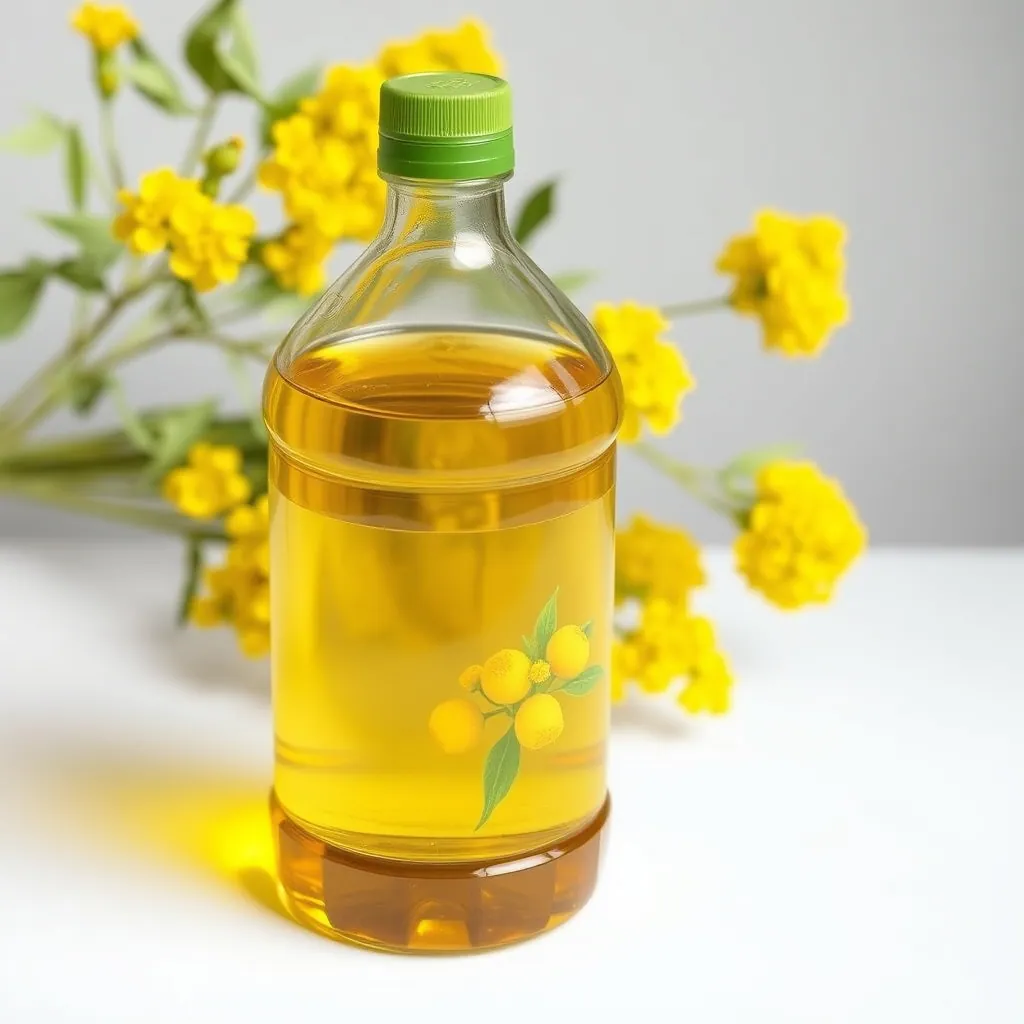
The refined counterpart and related crude grades
Buyers who do not refine on site take the RBD version of this oil instead; the two are quoted on the same shipment terms.
Supply & shipping terms
- Incoterms
- FOB or CIF, named port, Incoterms 2020
- Payment
- Bank transfer (T/T) in EUR or USD
- Lead time
- Typically 7–14 days from order confirmation
- Documentation
- Certificate of analysis, certificate of origin, full export documents
- Food safety
- HACCP and ISO 22000
- Area served
- Worldwide
Specifications are indicative. Contract terms and a certificate of analysis are issued per consignment.