
Sunflower Oil vs Coconut Oil: Which Fits Your Production Needs?
Sunflower Oil vs Coconut Oil: An Overview for Industrial Buyers
Choosing between Sunflower Oil and Coconut Oil is a critical decision for food manufacturers, industrial processors, and bulk importers. Both oils have distinct fatty acid profiles, smoke points, pricing structures, and performance characteristics that affect their suitability for different applications. This guide provides a data-driven comparison to help buyers make the right sourcing decision.
Fatty Acid Composition Comparison
Sunflower Oil typically contains 60–70% linoleic acid (omega-6) in its standard grade, or 75–90% oleic acid in high oleic varieties, making it one of the most versatile edible oils available. In comparison, Coconut Oil has a different fatty acid profile that affects its stability, flavor neutrality, and performance under heat. For applications requiring a neutral flavor and high heat tolerance, Sunflower Oil often has the advantage.
Smoke Point and Frying Performance
Refined Sunflower Oil has a smoke point of approximately 227°C (440°F), making it suitable for deep frying, stir frying, and high-temperature food processing. High oleic Sunflower Oil extends stability further, with a smoke point comparable to premium frying oils. Compare this to Coconut Oil's smoke point and stability characteristics when selecting an oil for commercial frying operations.
Pricing and Availability
Price is often the deciding factor in bulk oil procurement. Sunflower Oil is produced in large volumes in Ukraine and Argentina, which keeps global prices competitive. Supply disruptions, harvest conditions, and currency fluctuations all affect the Sunflower Oil vs Coconut Oil price spread. Buyers should monitor futures markets and request current spot pricing from multiple suppliers before committing to a contract.
Certifications and Regulatory Compliance
Both Sunflower Oil and Coconut Oil can be sourced in Halal, Kosher, Non-GMO, and Organic certified versions. However, availability and premiums differ by grade and region. Sunflower Oil has particularly strong availability in certified grades from Ukrainian suppliers, with well-established certification bodies and documentation infrastructure for international trade.
Which Should You Choose?
For most food manufacturers and industrial buyers, refined Sunflower Oil offers the best combination of neutral flavor, high smoke point, competitive price, and global availability. High oleic Sunflower Oil is the premium choice for applications requiring extended oxidative stability. Coconut Oil may be preferred in specific applications where its unique properties justify the cost or supply considerations.
Source Bulk Sunflower Oil Today
Refine Sunflower Oil has manufactured and exported edible oils from Kyiv since 2000, shipping to buyers in Europe, the Middle East, Asia, Africa and the Americas. Request a sample and price list to compare directly with your current Coconut Oil supplier. Quotations are issued on FOB or CIF terms under Incoterms 2020, with the full export document set.
Starting a supply conversation
Our refined coconut oil is available for bulk and container-load purchase, under HACCP and ISO 22000. Refined sunflower oil for food manufacturing can go on the same booking.
Sunflower Oil for Margarine Production is worth reading alongside this.
Give us a port and a volume and we will quote it: get in touch with our export desk. There is more on freight and documentation handling elsewhere on the site.
Related reading
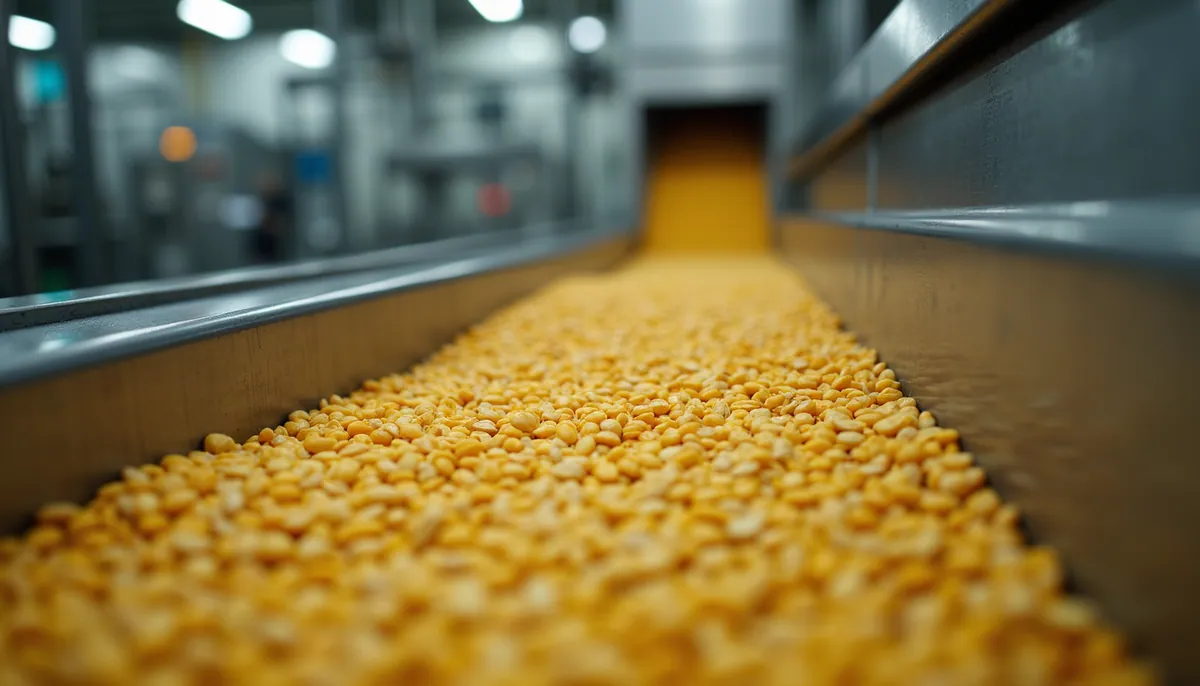
Refined Sunflower Oil Production Process: A Comprehensive Overview
Refined sunflower oil is a staple in many industries, valued for its light taste, high smoke point, and nutritional benefits. Understanding the sunflower oil pr…
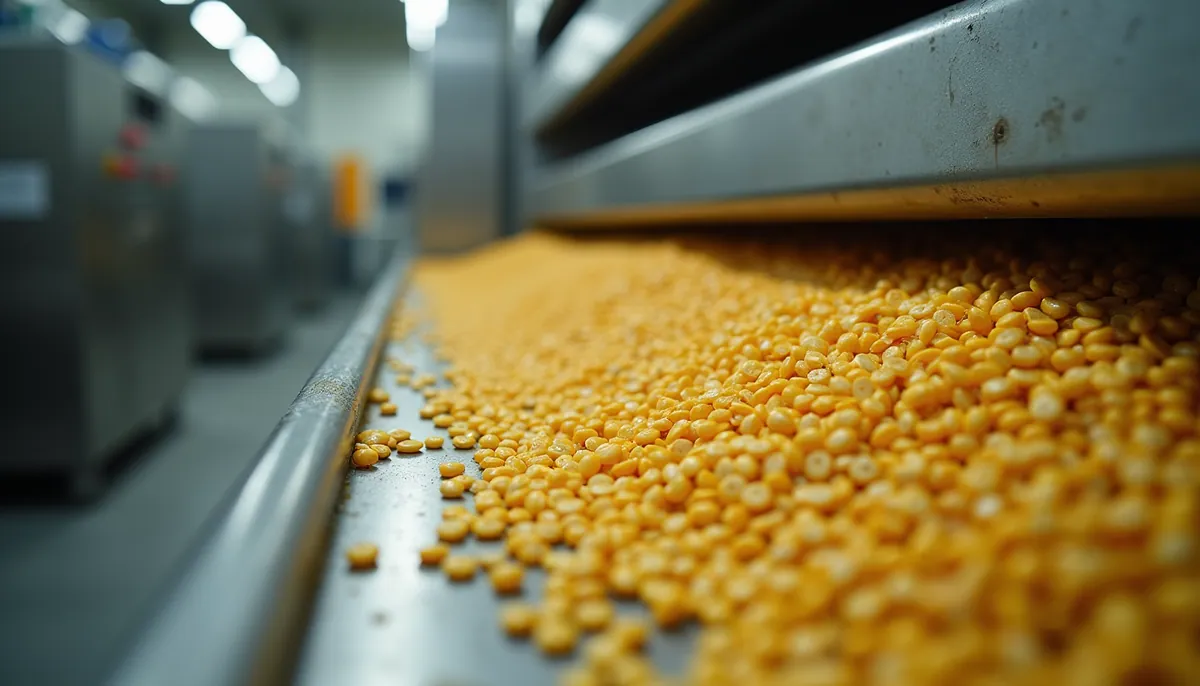
The Production Process of Refined Sunflower Oil
Refined sunflower oil is a staple ingredient in many kitchens and industries worldwide. Its light flavor, high smoke point, and nutritional benefits make it a p…
Sunflower Oil Smoke Point by Grade: Which Has the Highest Heat Tolerance?
Understanding Smoke Point in Sunflower Oil Sunflower Oil Smoke Point by Grade: Which Has the Highest Heat Tolerance?. For procurement professionals, quality man…