
Choosing the Ideal Oils for Frying: A Guide to Selecting the Best Oil for Deep Frying

Deep frying is a popular cooking method used worldwide to create crispy, flavorful dishes. However, the choice of oil plays a crucial role in the quality, taste, and health aspects of the final product. Selecting the ideal oils for frying requires understanding their smoke points, flavor profiles, and nutritional properties. In this article, I will share practical insights to help wholesale buyers, manufacturers, and distributors make informed decisions when sourcing oils for deep frying.
Understanding the Importance of Ideal Oils for Frying
When it comes to deep frying, not all oils are created equal. The ideal oils for frying must withstand high temperatures without breaking down or producing harmful compounds. Oils with high smoke points are essential because they maintain stability and prevent the food from absorbing excessive oil, which can lead to greasy and unhealthy results.
In addition to smoke point, the oil’s flavor and nutritional content are important. Neutral-flavored oils allow the natural taste of the food to shine, while oils with distinct flavors can add a unique touch to fried dishes. Nutritional factors such as the balance of saturated, monounsaturated, and polyunsaturated fats also influence the health impact of the oil.
For businesses involved in large-scale food production or distribution, choosing the right oil affects product consistency, customer satisfaction, and cost efficiency. Oils that degrade quickly or impart off-flavors can lead to waste and damage brand reputation.
Golden sunflower oil is a popular choice for deep frying due to its high smoke point and neutral flavor.
Key Characteristics of Ideal Oils for Frying
To select the best oil for deep frying, consider these key characteristics:
- High Smoke Point: The oil should have a smoke point above 350°F (175°C) to handle typical deep frying temperatures safely.
- Neutral or Complementary Flavor: The oil’s taste should not overpower the food or should enhance it positively.
- Stability and Shelf Life: Oils with higher oxidative stability last longer during frying and storage.
- Health Profile: Oils rich in monounsaturated fats and low in trans fats are preferable for health-conscious consumers.
- Cost and Availability: For wholesale buyers and manufacturers, the oil must be cost-effective and readily available in bulk.
Some common oils that meet these criteria include refined sunflower oil, canola oil, peanut oil, and refined safflower oil. Among these, refined sunflower oil stands out for its balance of performance and health benefits, making it a top choice for many food producers.
What oil does Chick-fil-A use to deep fry?
Understanding what leading food chains use can provide valuable insights into industry standards. Chick-fil-A, known for its crispy chicken, uses peanut oil for deep frying. Peanut oil is favored for its high smoke point of around 450°F (232°C) and its ability to produce a crisp texture without imparting a strong flavor.
Peanut oil’s natural stability and mild taste make it ideal for frying chicken and other proteins. However, it is important to consider allergen concerns when using peanut oil in commercial settings. Alternatives like refined sunflower oil offer similar frying qualities without allergen risks, making them suitable for broader applications.
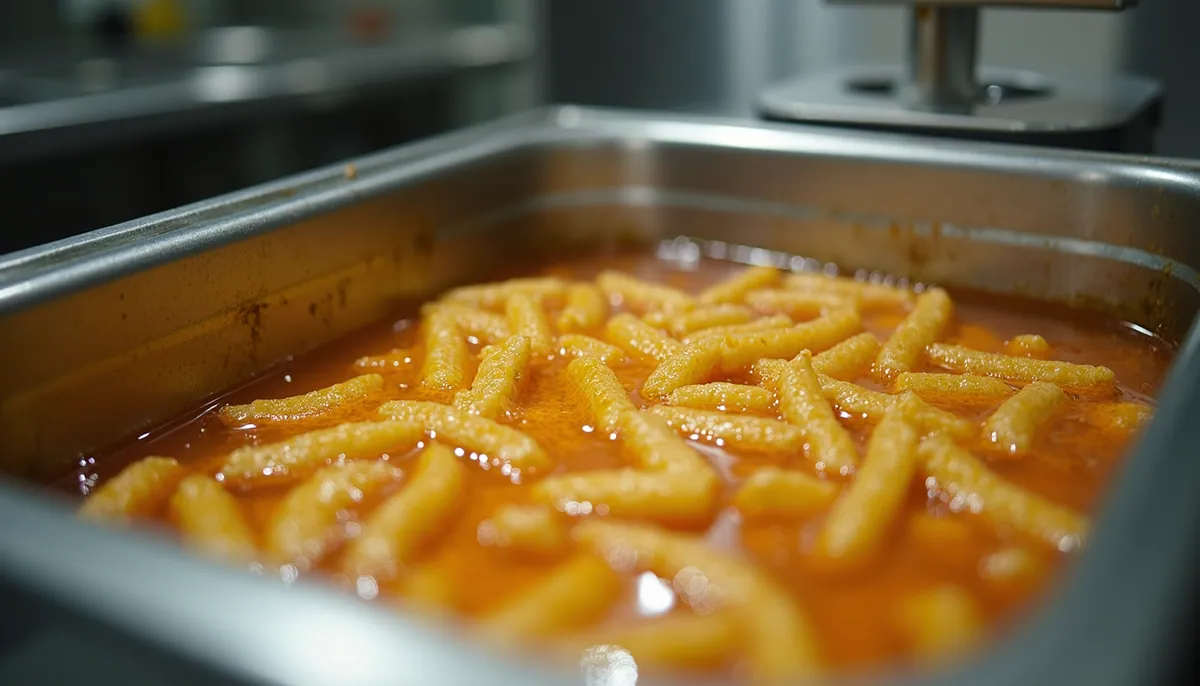
Commercial deep fryer filled with hot oil, illustrating the importance of oil quality in food production.
Comparing Popular Oils for Deep Frying
Here is a comparison of some popular oils used in deep frying, highlighting their smoke points, flavor, and suitability:
| Oil Type | Smoke Point (°F) | Flavor Profile | Health Considerations | Cost & Availability |
|––––––––––|——————|–––––––––––|–––––––––––––––––––|—————————–|
| Refined Sunflower | 440 | Neutral | High in vitamin E, low saturated fat | Widely available, cost-effective |
| Peanut | 450 | Mild, nutty | High monounsaturated fats, allergen risk | Moderate cost, common in US |
| Canola | 400 | Neutral | Low saturated fat, omega-3 content | Affordable, widely used |
| Refined Safflower | 450 | Neutral | High monounsaturated fats | Less common, slightly higher cost |
| Vegetable Blend | 400-450 | Varies | Depends on blend | Variable cost and quality |
For large-scale operations, refined sunflower oil is often the preferred choice due to its excellent frying properties, neutral taste, and competitive pricing. It also aligns well with health trends, offering a good balance of fats and antioxidants.
Practical Tips for Using Oils in Deep Frying
To maximize the benefits of the ideal oils for frying, consider these practical tips:
- Maintain Proper Frying Temperature: Keep oil temperature between 350°F and 375°F to ensure food cooks evenly and oil does not degrade prematurely.
- Avoid Mixing Different Oils: Mixing oils with different smoke points can reduce overall stability.
- Filter Oil Regularly: Remove food particles to extend oil life and maintain food quality.
- Store Oil Properly: Keep oil in a cool, dark place to prevent oxidation and rancidity.
- Monitor Oil Usage: Track how many frying cycles the oil has undergone and replace it when it shows signs of breakdown such as darkening or off-odors.
By following these guidelines, manufacturers and distributors can ensure consistent product quality and reduce operational costs.
Why Refined Sunflower Oil is a Leading Choice
Refined sunflower oil is increasingly recognized as the best oil for deep frying by many in the food industry. Its high smoke point, neutral flavor, and healthful fat composition make it ideal for a wide range of fried foods. Additionally, sunflower oil sourced from Ukraine is known for its premium quality, making it a reliable option for international buyers.
Refined sunflower oil also supports sustainability goals, as sunflower crops have a relatively low environmental impact compared to some other oil sources. This factor is becoming more important for manufacturers and distributors aiming to meet consumer demand for responsible sourcing.
Partnering with suppliers who specialize in premium Ukrainian refined sunflower oil can provide access to consistent, high-quality products that meet the rigorous demands of large-scale frying operations.
Final Thoughts on Selecting the Ideal Oils for Frying
Choosing the ideal oils for frying is a critical decision that affects product quality, health considerations, and operational efficiency. Oils like refined sunflower oil offer a compelling combination of high smoke point, neutral flavor, and nutritional benefits. Understanding the characteristics of different oils and applying best practices in frying can help businesses optimize their processes and deliver superior fried foods.
For wholesale buyers, manufacturers, and distributors, sourcing premium oils from trusted suppliers ensures consistency and supports long-term success in the competitive food industry. By focusing on quality and performance, you can meet the demands of diverse markets and maintain a strong reputation.
Selecting the right oil is not just about frying - it is about enhancing your product and your business.
This article aims to provide practical guidance for sourcing and using the ideal oils for frying, with a focus on refined sunflower oil as a leading option in the global market.
Supply for food manufacturers
We have supplied bulk RBD sunflower oil to manufacturers and blenders since 2000, quoting FOB or CIF under Incoterms 2020. We quote refined peanut oil alongside it on request.
Choosing the Right High Heat Oils for Your Cooking Needs is worth reading alongside this. We also cover Choosing the Right Oils for Frying at High Heat.
Write to our export desk with the grade and quantity you need priced.
Related reading
Top Oils for Deep Frying: Choosing the Right Oils for Frying
Deep frying is a popular cooking method used worldwide to create crispy, flavorful dishes. Selecting the right oil for frying is crucial to achieve the best res…

Top Oils for Frying: Choosing the Right Oil for Deep Frying
Deep frying is a popular cooking method used worldwide to create crispy, flavorful dishes. Selecting the right oil is crucial for achieving the best results. Th…
Best Deep Frying Oils Explained: Choosing the Right Oil for Crispy Perfection
Deep frying is a popular cooking method that delivers crispy, golden-brown results. However, the choice of oil plays a crucial role in the taste, texture, and h…