
Best Deep Frying Oils Explained: Choosing the Right Oil for Crispy Perfection
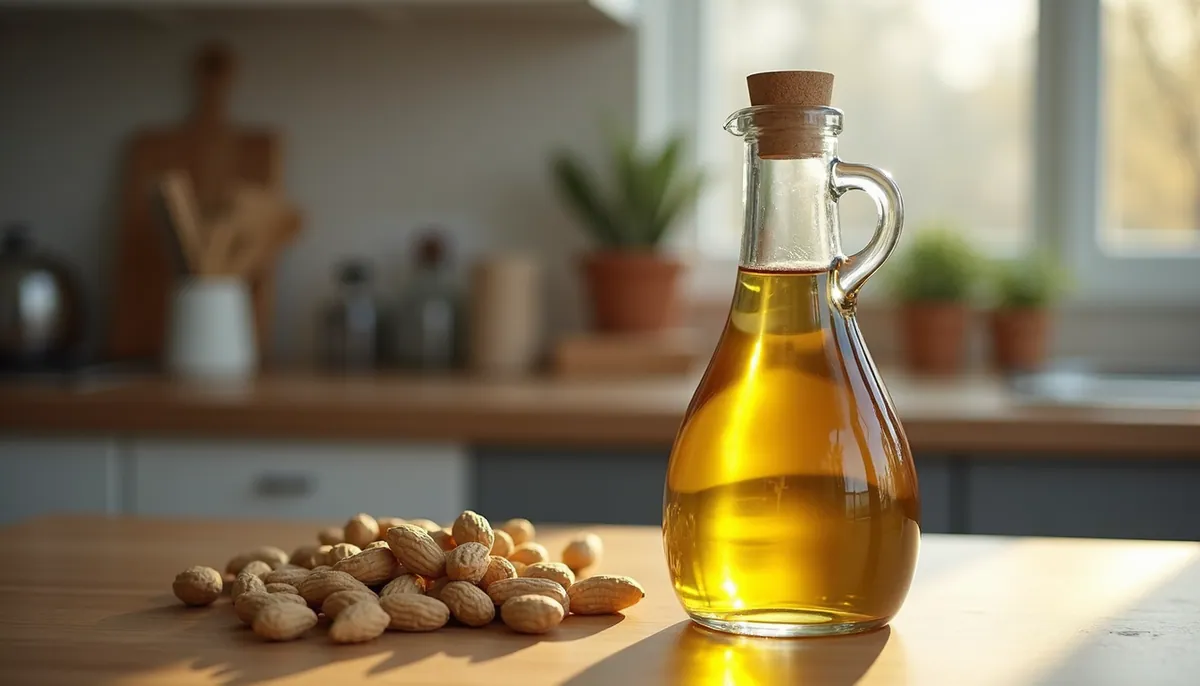
Deep frying is a popular cooking method that delivers crispy, golden-brown results. However, the choice of oil plays a crucial role in the taste, texture, and healthiness of your fried foods. Not all oils are created equal when it comes to deep frying. Some oils can withstand high temperatures without breaking down, while others may impart unwanted flavors or degrade quickly. This guide will help you understand the best oils for deep frying, their smoke points, flavor profiles, and health considerations.
Understanding Deep Frying Oils: What Makes an Oil Suitable?
When selecting oils for deep frying, several factors come into play:
- Smoke Point: This is the temperature at which oil starts to smoke and break down. Oils with high smoke points are ideal for deep frying because they can handle the heat without burning.
- Flavor: Some oils have strong flavors that can affect the taste of your food. Neutral oils are preferred for most deep frying to let the food’s natural flavors shine.
- Stability: Oils rich in saturated and monounsaturated fats tend to be more stable at high temperatures.
- Health Profile: While deep frying is not the healthiest cooking method, choosing oils with better fat profiles can make a difference.
Here are some of the most popular oils used for deep frying and what makes them stand out.
Vegetable Oil
Vegetable oil is a common choice for deep frying due to its high smoke point (around 400°F or 204°C) and neutral flavor. It is usually a blend of different oils like soybean, corn, and sunflower oils. This oil is affordable and widely available, making it a practical option for home cooks and restaurants alike.
Canola Oil
Canola oil has a smoke point of about 400°F (204°C) and a mild flavor. It is low in saturated fat and high in monounsaturated fat, making it a healthier option compared to some other oils. Canola oil is versatile and works well for frying everything from fries to chicken.
Peanut Oil
Peanut oil is prized for its high smoke point (around 450°F or 232°C) and slightly nutty flavor. It is very stable at high temperatures, which makes it excellent for deep frying. Peanut oil is often used in Asian cuisine and is a favorite for frying foods like tempura and fried chicken.
Sunflower Oil
Sunflower oil has a smoke point of approximately 440°F (227°C) and a light, neutral taste. It is rich in vitamin E and has a good balance of fats, making it a solid choice for deep frying. Sunflower oil is often used in commercial frying due to its stability and mild flavor.
Safflower Oil
Safflower oil is similar to sunflower oil with a high smoke point (about 450°F or 232°C) and a neutral flavor. It is low in saturated fat and high in monounsaturated fats, which helps it maintain stability during frying.
What Oil Does KFC Use to Deep Fry?
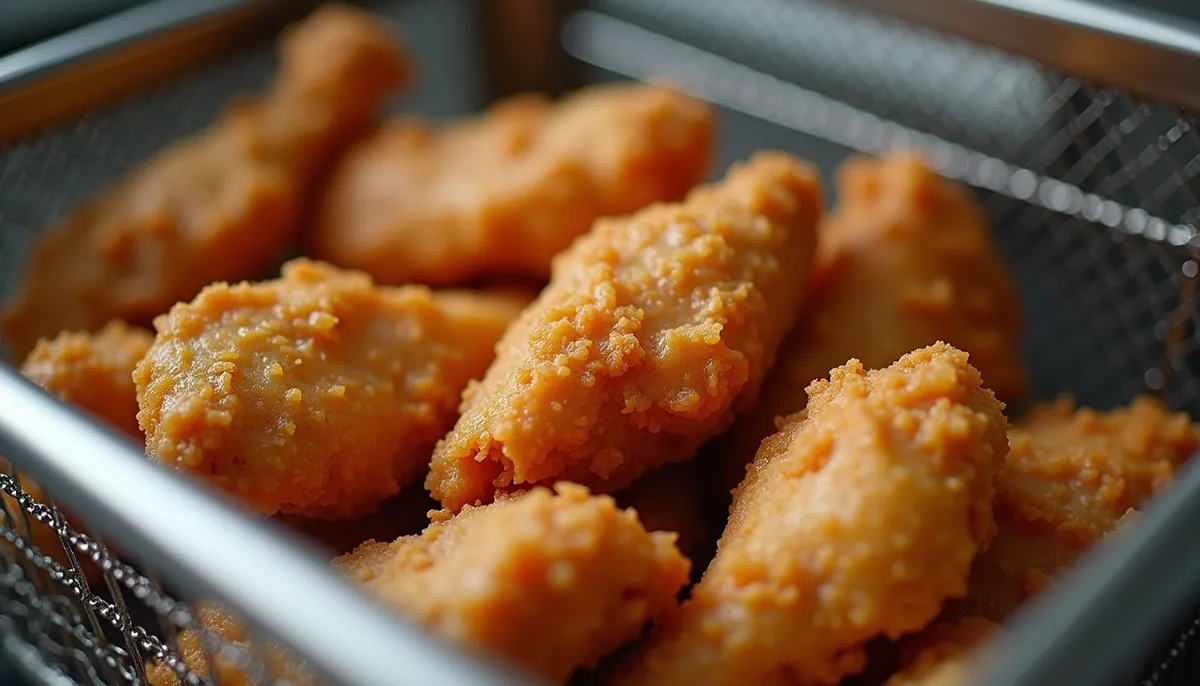
KFC is famous for its crispy fried chicken, and the choice of oil is a key part of their secret. KFC uses a blend of oils for deep frying, primarily palm oil mixed with other vegetable oils. Palm oil has a high smoke point (around 450°F or 232°C) and is very stable at frying temperatures. It also helps achieve the signature crispy texture and golden color of KFC chicken.
Palm oil is favored in many commercial kitchens because it is cost-effective and has a long shelf life. However, it has a distinct flavor and is high in saturated fat, so it may not be the best choice for home cooks looking for a healthier option.
How to Choose the Best Oil for Deep Frying at Home
Choosing the right oil depends on several factors including the type of food you are frying, your budget, and health preferences. Here are some tips to help you decide:
- Check the Smoke Point: Always pick oils with a smoke point above 375°F (190°C) for deep frying.
- Consider Flavor: Use neutral oils like canola, vegetable, or sunflower for most fried foods. Use peanut oil if you want a slight nutty flavor.
- Health Considerations: Opt for oils with higher monounsaturated fats and lower saturated fats for a healthier option.
- Reusability: Some oils can be reused multiple times if strained and stored properly. Peanut and canola oils are good for reuse.
- Cost and Availability: Choose oils that fit your budget and are easy to find locally.
Tips for Safe and Effective Deep Frying
Deep frying can be dangerous if not done properly. Here are some practical tips to ensure safety and great results:
- Use a thermometer to monitor oil temperature and keep it steady.
- Do not overcrowd the fryer; this lowers the oil temperature and results in greasy food.
- Dry food thoroughly before frying to prevent oil splatters.
- Use a deep, heavy pot or a dedicated deep fryer for even heat distribution.
- Dispose of oil properly after use or strain and store it for reuse if appropriate.
Why Choosing the Best Oil for Deep Frying Matters
Using the right oil can make a significant difference in the quality of your fried foods. The best oil for deep frying will not only withstand high heat but also enhance the flavor and texture of your dishes. It can also impact the nutritional profile of your meals, making your indulgence a bit healthier.
By understanding the properties of different oils, you can make informed choices that suit your cooking style and dietary needs. Whether you are frying homemade French fries, chicken, or tempura, the right oil is key to achieving that perfect crispy finish.
Exploring Alternative Oils for Deep Frying
While traditional oils like vegetable and peanut oil dominate the deep frying scene, there are some alternative oils worth considering:
- Avocado Oil: With a very high smoke point (around 520°F or 271°C), avocado oil is excellent for deep frying. It has a mild flavor and is rich in monounsaturated fats, making it a healthy choice.
- Rice Bran Oil: Popular in Asian cooking, rice bran oil has a smoke point of about 450°F (232°C) and a neutral taste. It contains antioxidants and has a good fat profile.
- Grapeseed Oil: This oil has a smoke point of around 420°F (216°C) and a light flavor. It is high in polyunsaturated fats but less stable than some other oils, so it may not be ideal for repeated use.
Experimenting with these oils can add variety to your cooking and may offer health benefits, but always consider their smoke points and flavor profiles.
Final Thoughts on Deep Frying Oils
Choosing the right oil for deep frying is essential for delicious, crispy results and safer cooking. Oils like peanut, canola, and sunflower are excellent choices due to their high smoke points and neutral flavors. Commercial kitchens often use palm oil blends for cost and stability, but home cooks may prefer healthier alternatives.
Remember to monitor oil temperature, avoid overcrowding, and handle hot oil with care. With the right oil and technique, you can enjoy perfectly fried foods every time.
Happy frying!
Ordering this grade in volume
If this oil suits your process, we can supply refined sunflower oil for food manufacturing in the packing format your plant prefers. Ask us about refined palm oil if that fits your blend better.
Best Deep Frying Oils: A Guide covers neighbouring ground. See also Choosing the Right Best High-Heat Cooking Oils for Your Needs.
If you need a figure to work with, tell us what you need with your target quantity and Incoterm.
Related reading
Top Oils for Deep Frying: Choosing the Right Oils for Frying
Deep frying is a popular cooking method used worldwide to create crispy, flavorful dishes. Selecting the right oil for frying is crucial to achieve the best res…
Top Oils for Frying: Choosing the Right Oil for Deep Frying
Deep frying is a popular cooking method used worldwide to create crispy, flavorful dishes. Selecting the right oil is crucial for achieving the best results. Th…

Choosing the Ideal Oils for Frying: A Guide to Selecting the Best Oil for Deep Frying
Deep frying is a popular cooking method used worldwide to create crispy, flavorful dishes. However, the choice of oil plays a crucial role in the quality, taste…