
Choosing the Right High Heat Oils for Your Cooking Needs
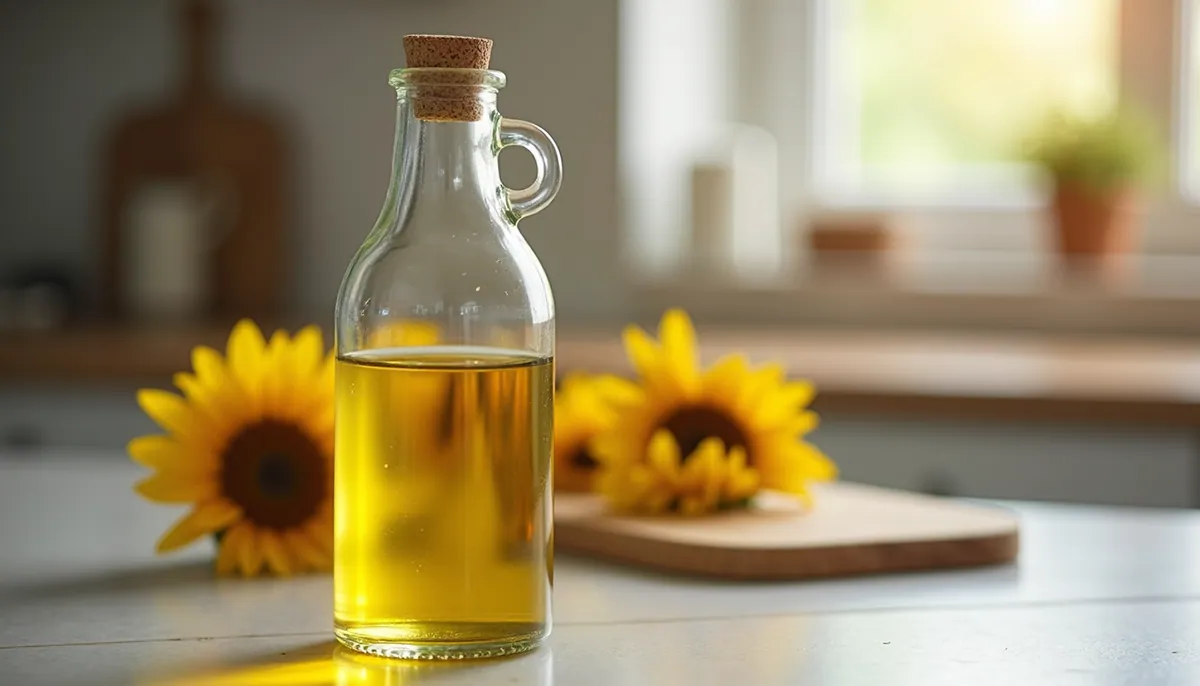
When it comes to cooking, selecting the right oil is crucial. The choice of oil affects not only the flavor of your dishes but also the safety and efficiency of your cooking process. High heat cooking requires oils that can withstand elevated temperatures without breaking down or producing harmful compounds. This is where high heat oils come into play. Understanding which oils are best suited for high-temperature cooking can help you make informed decisions, especially when sourcing oils for large-scale manufacturing or distribution.
Understanding High Heat Oils and Their Importance
High heat oils are oils that maintain their stability and nutritional value when exposed to high temperatures. These oils have a high smoke point, meaning they can be heated to a high temperature before they start to smoke and degrade. Using the right high heat oils ensures that your cooking process is safe and that the food retains its intended taste and texture.
For wholesale buyers and manufacturers, knowing the properties of different oils is essential. It helps in selecting oils that meet the specific requirements of various cooking methods such as frying, sautéing, and baking. Oils with low smoke points can burn quickly, producing unpleasant flavors and potentially harmful substances. On the other hand, oils with high smoke points provide a clean cooking experience and better product quality.
What Defines a High Smoke Point?
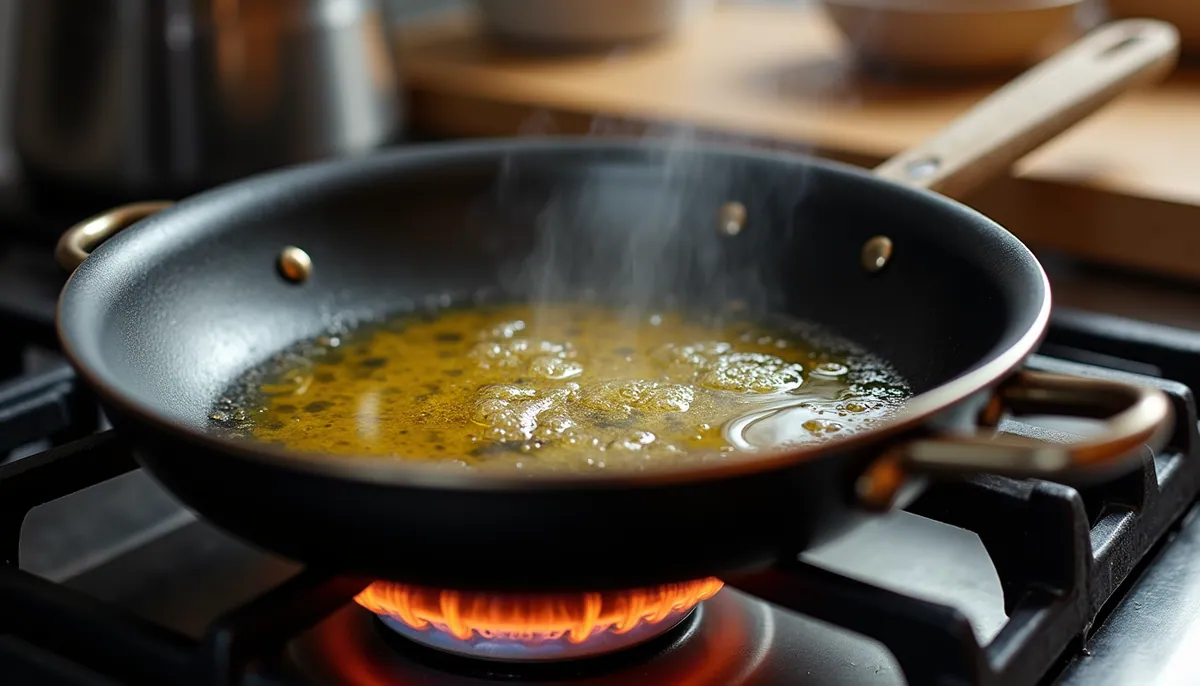
The smoke point of an oil is the temperature at which it begins to produce visible smoke. This is a sign that the oil is breaking down and releasing free radicals and acrolein, a compound that gives burnt food its bitter taste. Oils with higher smoke points are more stable and suitable for cooking at high temperatures.
For example, refined sunflower oil, which is widely used in the food industry, has a high smoke point, making it ideal for frying and other high-temperature cooking processes. This stability is one reason why refined sunflower oil is a preferred choice for many manufacturers and distributors worldwide.
Top High Heat Oils to Consider
When choosing high heat oils, it is important to consider their smoke points, flavor profiles, and nutritional benefits. Here are some of the most popular options:
- Refined Sunflower Oil
- Smoke point: Approximately 450°F (232°C)
- Flavor: Neutral, light
- Benefits: High in vitamin E, suitable for frying and baking
Refined sunflower oil is a versatile choice for high-temperature cooking. Its neutral flavor does not overpower dishes, making it ideal for a variety of culinary applications. - Avocado Oil
- Smoke point: Around 520°F (271°C)
- Flavor: Mild, buttery
- Benefits: Rich in monounsaturated fats and antioxidants
Avocado oil is excellent for searing and frying due to its very high smoke point. It also adds a subtle flavor that complements many dishes. - Refined Peanut Oil
- Smoke point: About 450°F (232°C)
- Flavor: Slightly nutty
- Benefits: Good for deep frying, stable at high heat
Peanut oil is commonly used in commercial kitchens for frying because of its stability and flavor. - Refined Canola Oil
- Smoke point: Approximately 400°F (204°C)
- Flavor: Neutral
- Benefits: Low in saturated fat, affordable
Canola oil is a cost-effective option for high heat cooking, suitable for sautéing and frying. - Grapeseed Oil
- Smoke point: Around 420°F (216°C)
- Flavor: Light, clean
- Benefits: High in polyunsaturated fats, good for frying and baking
Grapeseed oil is favored for its light taste and high smoke point, making it a good choice for various cooking methods.
Each of these oils offers unique advantages depending on the cooking technique and desired flavor profile. For large-scale operations, sourcing oils like refined sunflower oil can provide consistency and quality.
Which Oil is Smokeless?
The term “smokeless” oil is often used to describe oils that have very high smoke points and produce minimal smoke when heated. While no oil is completely smokeless, some come close due to their high stability.
Among the oils listed, avocado oil stands out as one of the closest to smokeless because of its exceptionally high smoke point of around 520°F (271°C). This makes it ideal for cooking methods that require very high temperatures, such as searing and stir-frying.
Refined oils generally produce less smoke than unrefined or cold-pressed oils because impurities and free fatty acids are removed during processing. This is why refined sunflower oil and refined peanut oil are popular choices in commercial kitchens where smoke control is important.
Practical Tips for Choosing and Using High Heat Oils
Selecting the right high heat oil involves more than just looking at the smoke point. Here are some practical tips to help you make the best choice:
- Consider the cooking method: Deep frying requires oils with very high smoke points, while sautéing may allow for oils with slightly lower smoke points.
- Check for refinement: Refined oils generally have higher smoke points and longer shelf lives than unrefined oils.
- Evaluate flavor compatibility: Choose oils with neutral flavors for dishes where you do not want the oil to influence the taste.
- Look at nutritional content: Some oils offer health benefits such as high levels of monounsaturated fats or antioxidants.
- Storage matters: Store oils in cool, dark places to maintain their quality and prevent rancidity.
- Source reliability: For wholesale buyers and distributors, sourcing from reputable suppliers ensures consistent quality and supply.
Using a high smoke point cooking oil like refined sunflower oil can improve the efficiency and safety of your cooking processes. It also helps maintain the quality of the final product, which is essential for manufacturers and distributors aiming to meet high standards.
Expanding Your Oil Sourcing Strategy
For businesses involved in the supply chain of cooking oils, expanding sourcing options is key to meeting diverse industry needs. Ukrainian refined sunflower oil, for example, is gaining recognition globally for its quality and performance as a high heat oil.
By partnering with reliable suppliers, you can access premium oils that meet international standards. This not only supports your production needs but also enhances your product offerings in competitive markets.
When evaluating suppliers, consider factors such as:
- Quality certifications and testing
- Consistency in supply and delivery
- Competitive pricing and contract terms
- Ability to provide customized solutions for different industries
Building strong relationships with manufacturers and distributors can help you secure the best oils for your business and ensure long-term success.
Final Thoughts on High Heat Oils
Choosing the right high heat oils is a strategic decision that impacts product quality, safety, and operational efficiency. Understanding the properties of different oils, including their smoke points and flavor profiles, allows you to select the best options for your specific cooking needs.
Refined sunflower oil remains a top choice for many due to its high smoke point, neutral flavor, and nutritional benefits. Incorporating such oils into your sourcing strategy can enhance your product offerings and meet the demands of various industries worldwide.
By focusing on quality, reliability, and suitability, you can optimize your cooking processes and deliver superior products to your customers.
Buying this oil in bulk
Kitchens and food plants buying at volume take refined sunflower oil for importers and distributors from us in flexitank, drum, IBC or PET. We can also quote bulk refined canola oil on the same shipment terms.
The Benefits of Neutral Flavor Oils in Cooking and Food Production covers a related property of the oil. See also Top Benefits of Heat-Resistant Cooking Oils for Industrial Use.
Send your volume, packing format and destination port, or simply start a quote request.
Related reading

Choosing the Right Best High-Heat Cooking Oils for Your Needs
Selecting the right cooking oil is essential for achieving the best results in food preparation, especially when cooking at high temperatures. Oils with a high …
Choosing the Right Oils for Frying at High Heat
When it comes to cooking, selecting the right oil can make a significant difference in the quality and safety of your dishes. This is especially true for frying…
Choosing High Heat Cooking Oils: A Guide for Wholesale Buyers and Manufacturers
When selecting cooking oils for commercial kitchens or food production, understanding the smoke point of oils is crucial. The smoke point is the temperature at …