
Top Oils for Frying: Choosing the Right Oil for Deep Frying
Deep frying is a popular cooking method used worldwide to create crispy, flavorful dishes. Selecting the right oil is crucial for achieving the best results. The oil you choose affects the taste, texture, and health aspects of your fried foods. It also impacts the frying process itself, including smoke point, stability, and reusability. In this article, I will guide you through the top oils for frying, helping you make informed decisions for your business or manufacturing needs.
Understanding the Top Oils for Frying
When it comes to deep frying, not all oils are created equal. The ideal oil should have a high smoke point, neutral flavor, and good oxidative stability. These factors ensure the oil can withstand high temperatures without breaking down or imparting unwanted flavors.
Here are some of the top oils commonly used for deep frying:
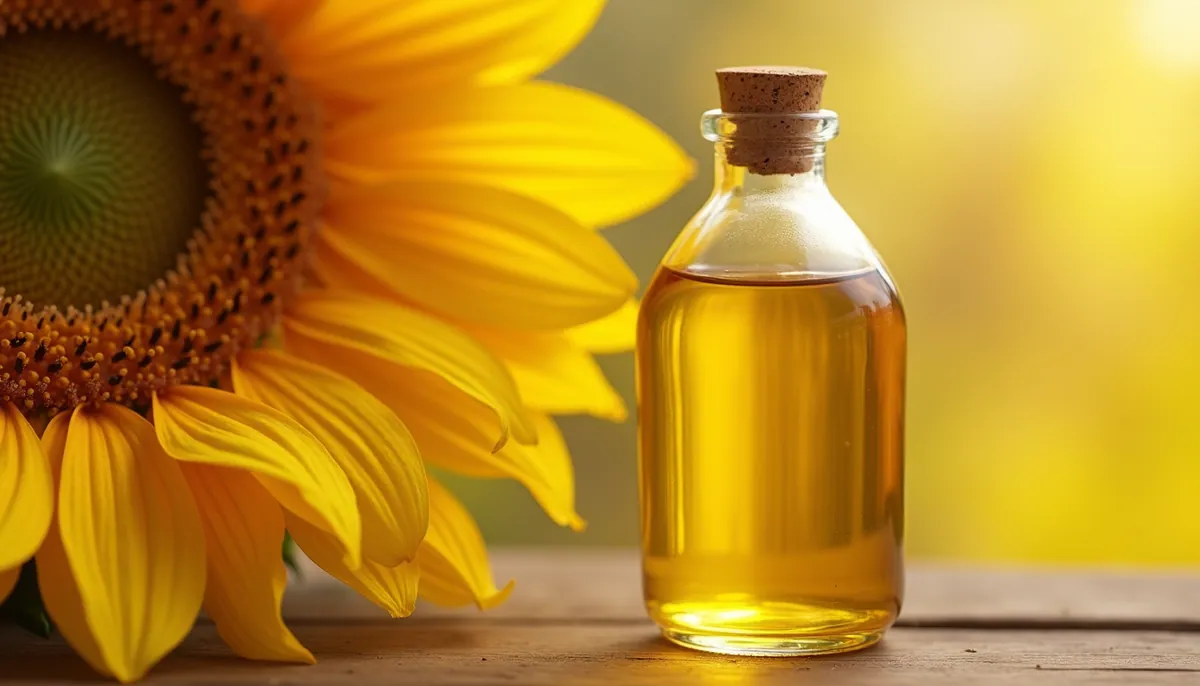
- Refined Sunflower Oil: This oil has a high smoke point of around 450°F (232°C). It is light in flavor and color, making it perfect for frying a variety of foods without altering their taste. Its high content of polyunsaturated fats makes it a popular choice in commercial kitchens.
- Peanut Oil: Known for its high smoke point (about 450°F or 232°C) and mild flavor, peanut oil is excellent for deep frying. It also has good oxidative stability, which means it can be reused multiple times without degrading quickly.
- Canola Oil: With a smoke point of approximately 400°F (204°C), canola oil is a versatile option. It has a neutral taste and is lower in saturated fats, making it a healthier choice for frying.
- Corn Oil: Corn oil has a smoke point near 450°F (232°C) and a mild flavor. It is widely used in commercial frying due to its availability and cost-effectiveness.
- Vegetable Oil Blends: Many commercial vegetable oils are blends of different oils, designed to optimize frying performance. These blends often combine oils like soybean, corn, and sunflower to balance flavor, smoke point, and cost.
Choosing the right oil depends on your specific frying needs, including the type of food, frying temperature, and desired flavor profile.
What Oil Does KFC Use to Deep Fry?
Understanding the oil choices of major food chains can provide insight into industry standards. KFC, a global leader in fried chicken, uses a blend of oils for their frying process. Historically, KFC used beef tallow, but they have since transitioned to vegetable oil blends to meet health and regulatory standards.
Currently, KFC uses a blend of vegetable oils, including:
- Canola oil
- Soybean oil
- Hydrogenated soybean oil
This blend is chosen for its high smoke point, neutral flavor, and ability to produce crispy, golden fried chicken. The hydrogenated component helps improve the oil’s stability during repeated frying cycles, which is essential for large-scale operations.
This example highlights the importance of oil stability and flavor neutrality in commercial deep frying. It also shows how blends can be tailored to meet specific frying requirements.
Factors to Consider When Selecting Oil for Deep Frying
Selecting the best oil for deep frying involves evaluating several key factors. These factors ensure the oil performs well under high heat and maintains food quality.
Smoke Point
The smoke point is the temperature at which oil begins to smoke and break down. Oils with higher smoke points are better suited for deep frying because they can handle the high temperatures without producing harmful compounds or off-flavors.
- Oils with smoke points above 400°F (204°C) are generally recommended for deep frying.
- Refined oils typically have higher smoke points than unrefined oils.
Flavor
The oil’s flavor should complement the food, not overpower it. Neutral-flavored oils like refined sunflower, canola, and peanut oil are preferred for most deep frying applications.
Stability and Reusability
Deep frying often involves heating oil for extended periods or multiple batches. Oils with good oxidative stability resist breaking down and developing rancid flavors.
- Oils high in monounsaturated fats, such as peanut and refined sunflower oil, tend to be more stable.
- Polyunsaturated fats are less stable but can be balanced in blends.
Cost and Availability
For wholesale buyers and manufacturers, cost and supply consistency are critical. Oils like refined sunflower oil are widely available and cost-effective, making them attractive for large-scale frying operations.
Health Considerations
While deep frying is inherently less healthy than other cooking methods, choosing oils with better fat profiles can mitigate some concerns.
- Oils low in saturated fats and trans fats are preferable.
- Avoid oils with high levels of hydrogenation unless stability is a priority.
Why Refined Sunflower Oil is a Leading Choice
Refined sunflower oil stands out as one of the best oils for deep frying. It offers a combination of high smoke point, neutral flavor, and good oxidative stability. These qualities make it ideal for commercial frying applications.
High Smoke Point
Refined sunflower oil can withstand temperatures up to 450°F (232°C), which covers the typical deep frying range. This prevents the oil from smoking or breaking down during cooking.
Neutral Flavor
Its light taste does not interfere with the flavor of fried foods, allowing the natural taste of the ingredients to shine.
Health Profile
Sunflower oil is rich in polyunsaturated fats and vitamin E, which provides antioxidant benefits. It contains minimal saturated fats, aligning with health-conscious frying practices.
Availability and Cost
Ukraine is a major producer of high-quality refined sunflower oil. This makes it a reliable and cost-effective option for international buyers and manufacturers looking for consistent supply.
By sourcing premium Ukrainian refined sunflower oil, businesses can ensure quality and performance in their frying operations.
Tips for Maintaining Oil Quality During Deep Frying
Maintaining oil quality is essential for consistent frying results and cost efficiency. Here are some practical tips:
- Monitor Temperature: Keep frying temperatures between 350°F and 375°F (177°C - 190°C) to avoid overheating the oil.
- Filter Oil Regularly: Remove food particles to prevent burning and oil degradation.
- Avoid Mixing Oils: Use the same type of oil to maintain consistent frying characteristics.
- Store Oil Properly: Keep oil in a cool, dark place to slow oxidation.
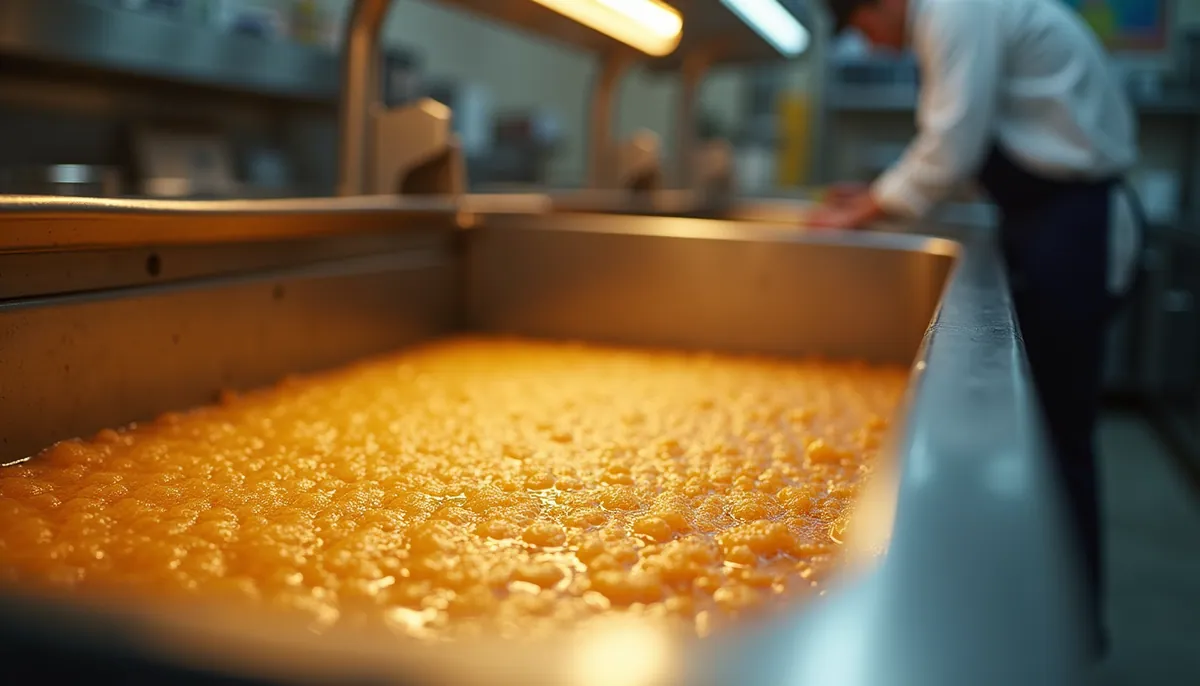
- Limit Reuse: While some oils can be reused, monitor for changes in color, smell, or smoke point to decide when to replace.
Implementing these practices helps extend oil life and maintain food quality.
Final Thoughts on Selecting Oils for Deep Frying
Choosing the right oil is a critical decision for any deep frying operation. The best oil balances high smoke point, neutral flavor, stability, and cost-effectiveness. Refined sunflower oil, especially from reliable sources like Ukraine, offers an excellent combination of these qualities.
For those seeking the best oil for deep frying, refined sunflower oil is a top contender. It supports efficient frying processes and delivers consistent, high-quality results.
By understanding the properties of different oils and applying best practices in oil maintenance, businesses can optimize their frying operations and meet the demands of diverse markets worldwide.
Sourcing this oil for production
For production use rather than retail packs, we supply refined sunflower oil in flexitank or ISO tank by the container load. Refined (RBD) corn oil can go on the same booking.
There is more on the same choice in Choosing the Ideal Oils for Frying.
Give us a port and a volume and we will quote it: ask us to quote it.
Related reading
Top Oils for Deep Frying: Choosing the Right Oils for Frying
Deep frying is a popular cooking method used worldwide to create crispy, flavorful dishes. Selecting the right oil for frying is crucial to achieve the best res…
Best Deep Frying Oils Explained: Choosing the Right Oil for Crispy Perfection
Deep frying is a popular cooking method that delivers crispy, golden-brown results. However, the choice of oil plays a crucial role in the taste, texture, and h…
Choosing the Right Oils for Frying at High Heat
When it comes to cooking, selecting the right oil can make a significant difference in the quality and safety of your dishes. This is especially true for frying…