
Understanding the Sunflower Oil Smoke Point: A Key Factor in Cooking and Manufacturing
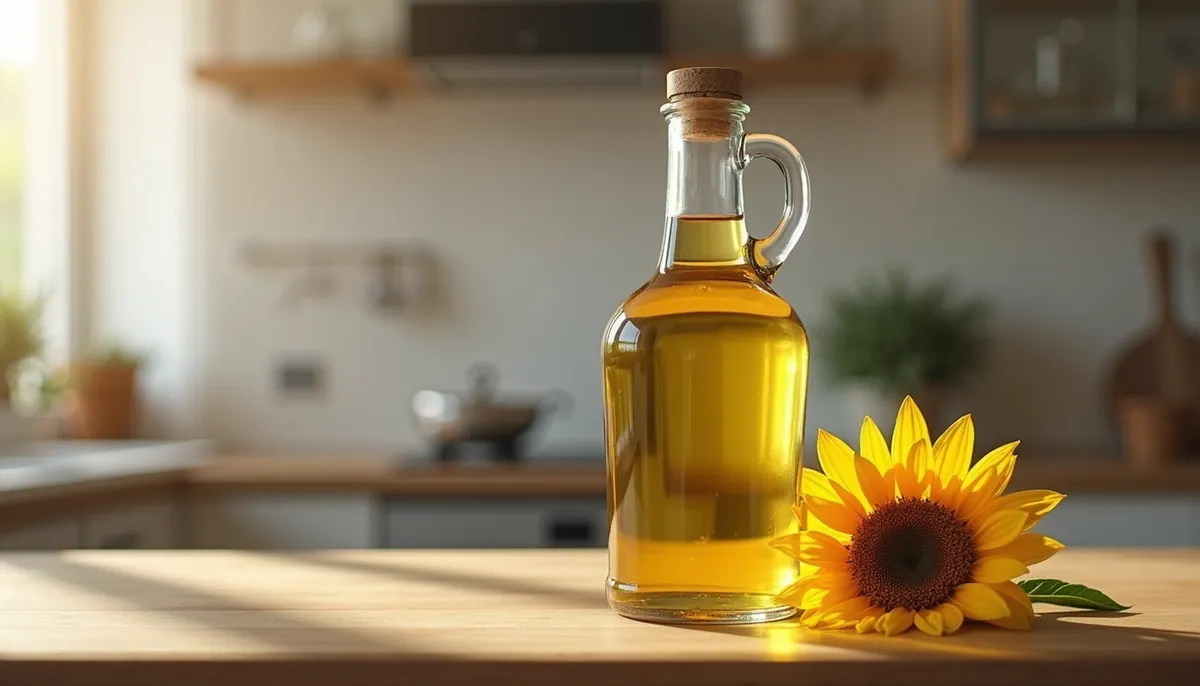
When working with cooking oils, especially in large-scale food production or distribution, knowing the smoke point is essential. The smoke point determines how an oil behaves under heat and affects the quality and safety of the final product. Today, I want to focus on the sunflower oil smoke point, particularly refined sunflower oil, which is widely used in various industries due to its neutral flavor and high heat tolerance.
Why the Sunflower Oil Smoke Point Matters
The smoke point of an oil is the temperature at which it begins to smoke and break down. This breakdown produces harmful compounds and affects the taste and nutritional value of the oil. For manufacturers and distributors, understanding the sunflower oil smoke point helps in selecting the right oil for frying, baking, or other cooking processes.
Sunflower oil is popular because it has a relatively high smoke point compared to many other vegetable oils. This makes it suitable for high-temperature cooking methods. Using oil beyond its smoke point can lead to:
- Unpleasant flavors in food
- Reduced nutritional quality
- Formation of toxic compounds
- Increased risk of fire hazards in industrial kitchens
Knowing the exact smoke point helps in maintaining product quality and safety standards.
Factors Influencing the Sunflower Oil Smoke Point
Several factors affect the smoke point of sunflower oil. These include:
- Refinement Process: Refined sunflower oil has a higher smoke point than unrefined or cold-pressed versions. The refining process removes impurities, free fatty acids, and other components that lower the smoke point.
- Storage Conditions: Exposure to light, heat, and air can degrade oil quality, lowering its smoke point over time.
- Oil Freshness: Fresh oil maintains its smoke point better than oil that has been stored for long periods or reused multiple times.
- Type of Sunflower Oil: There are different types of sunflower oil based on fatty acid composition, such as high oleic, mid-oleic, and linoleic sunflower oils. High oleic sunflower oil generally has a higher smoke point.
Understanding these factors is crucial for wholesale buyers and manufacturers to ensure they source and store sunflower oil properly.
What is the smoke point of refined sunflower oil?
The smoke point of refined sunflower oil typically ranges between 440°F to 450°F (227°C to 232°C). This high smoke point makes it ideal for frying, sautéing, and other cooking methods that require sustained high heat.
Refined sunflower oil’s smoke point is significantly higher than that of unrefined sunflower oil, which usually smokes at around 225°F to 320°F (107°C to 160°C). This difference is why refined sunflower oil is preferred in commercial kitchens and food manufacturing.
For example, when frying potato chips or preparing fried snacks, using refined sunflower oil ensures the oil remains stable and does not impart off-flavors or harmful compounds to the food. This stability also extends the oil’s usable life, reducing costs for manufacturers and distributors.
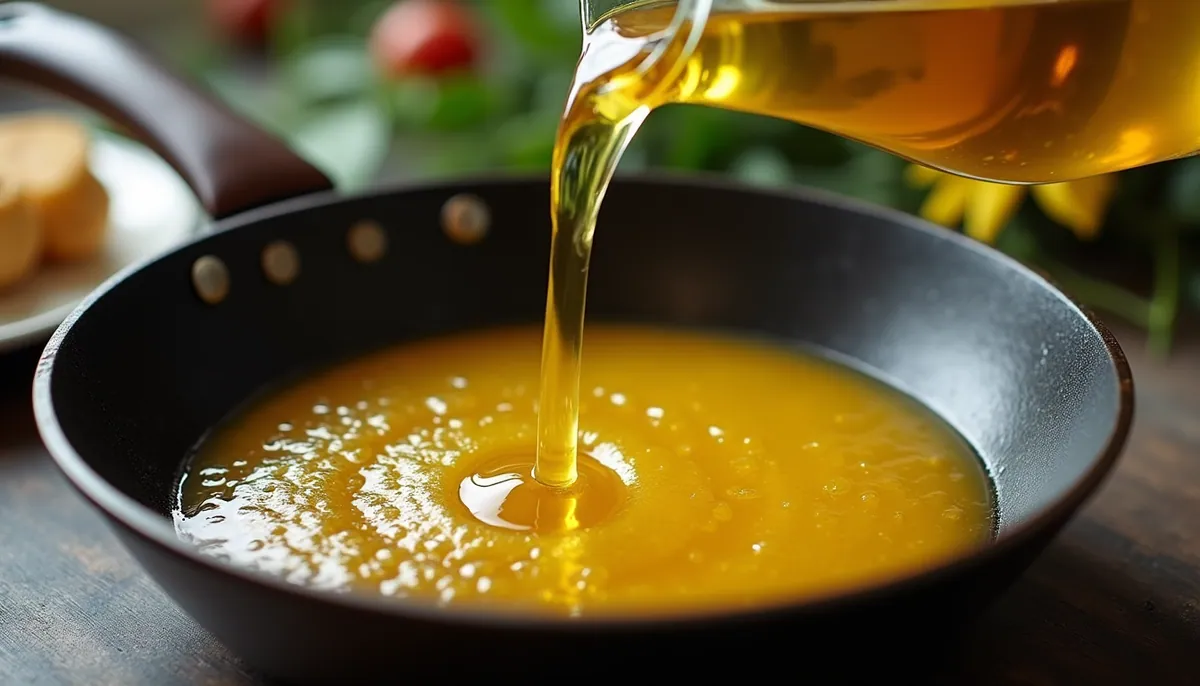
Practical Recommendations for Using Refined Sunflower Oil
To maximize the benefits of refined sunflower oil and its smoke point, consider the following recommendations:
- Use for High-Heat Cooking: Refined sunflower oil is excellent for deep frying, stir-frying, and baking at high temperatures.
- Monitor Oil Temperature: Use a thermometer to keep the oil temperature below its smoke point to avoid degradation.
- Store Properly: Keep oil in a cool, dark place in tightly sealed containers to maintain its quality and smoke point.
- Avoid Reusing Oil Excessively: Repeated heating lowers the smoke point and can introduce harmful compounds.
- Choose the Right Type: For applications requiring very high heat, consider high oleic refined sunflower oil for even greater stability.
These practices help maintain product quality and safety, which is critical for large-scale food production and distribution.
The Role of Refined Sunflower Oil Smoke Point in Industry
The refined sunflower oil smoke point is a key specification for buyers and manufacturers. It influences decisions on sourcing, processing, and packaging. High smoke point oils like refined sunflower oil support:
- Consistent product quality
- Extended shelf life of finished goods
- Compliance with food safety regulations
- Cost efficiency by reducing oil waste
For distributors, understanding this property helps in advising clients and ensuring the oil meets their cooking or manufacturing needs.
Final Thoughts on Sunflower Oil Smoke Point
In summary, the sunflower oil smoke point is a critical factor in selecting the right oil for various culinary and industrial applications. Refined sunflower oil, with its high smoke point, offers versatility and reliability for high-temperature cooking. By understanding and respecting this property, businesses can improve product quality, safety, and operational efficiency.
Choosing the right sunflower oil and handling it properly ensures that the oil performs well under heat, maintains its nutritional value, and supports the production of high-quality food products. This knowledge is essential for anyone involved in sourcing, manufacturing, or distributing cooking oils on a large scale.
Supply and documentation
If you are writing this parameter into a contract, we supply deodorised refined sunflower oil and issue documentation per shipment. Ask us about bulk sunflower oil if that fits your blend better.
Sunflower Oil Smoke Point by Grade covers a related quality parameter. See also Properties of Refined Sunflower Oil.
If you need a figure to work with, ask us to quote it with your target quantity and Incoterm.
For the wider picture, see how sunflower compares with soybean, palm, canola and the rest on smoke and flash point.
Related reading
Refined Sunflower Oil Smoke Point Facts: Understanding the Smoke Point of Sunflower Oil
When sourcing refined sunflower oil, understanding its smoke point is crucial. The smoke point affects how the oil performs in cooking and industrial applicatio…
Refined Sunflower Oil Smoke Point Explained
Understanding the smoke point of cooking oils is essential for anyone involved in food production, wholesale buying, or distribution. The smoke point determines…
Sunflower Oil vs Corn Oil: Cost, Smoke Point, and Frying Performance
<h2>Sunflower Oil vs Corn Oil: An Overview for Industrial Buyers</h2> <p>Choosing between Sunflower Oil and Corn Oil is a critical decision for food manufacture…