
Understanding Refined Sunflower Cooking Oil
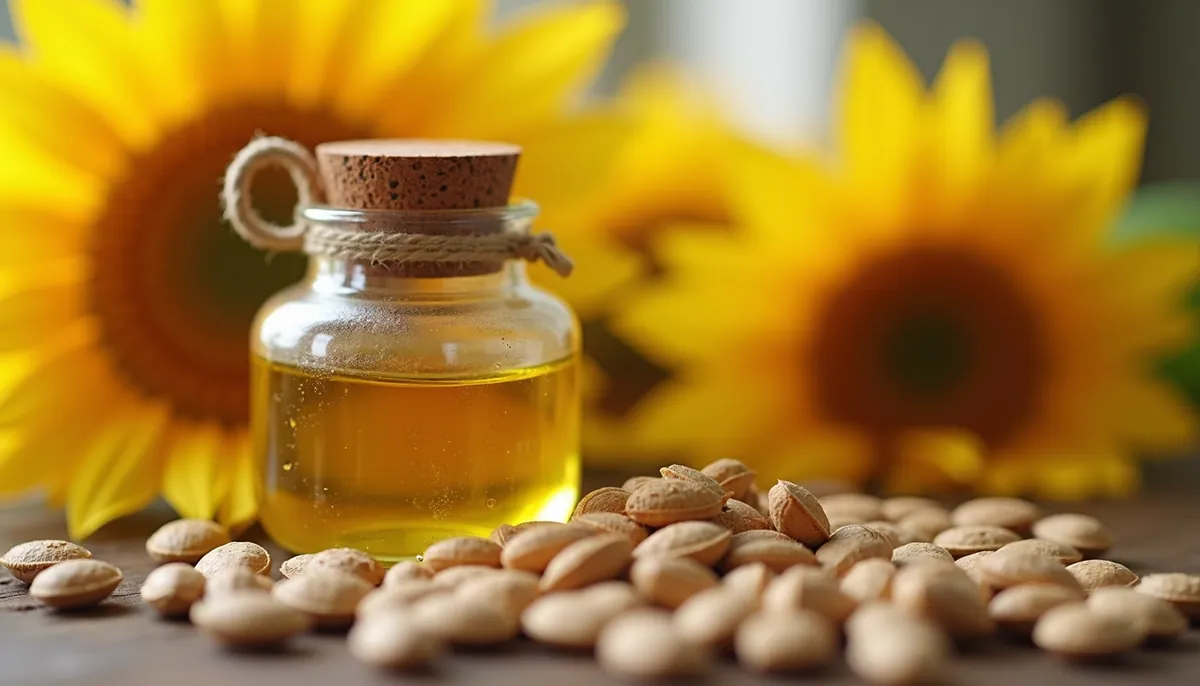
Refined sunflower cooking oil is a popular choice in kitchens worldwide due to its light flavor and high smoke point. It is extracted from sunflower seeds and then processed to remove impurities, making it suitable for various cooking methods. This article explores the nature of refined sunflower cooking oil, its benefits, comparisons with other oils, and practical tips for use.
What Is Refined Sunflower Cooking Oil?
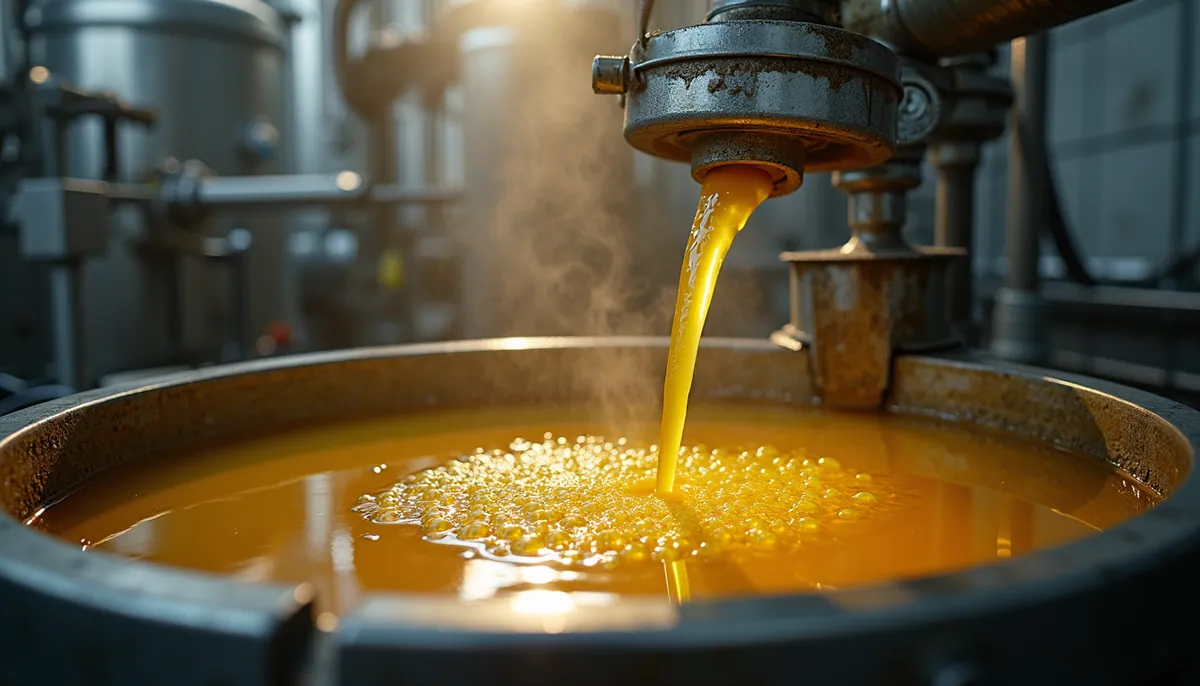
Refined sunflower cooking oil is produced by extracting oil from sunflower seeds and then refining it to improve its quality. The refining process typically involves degumming, neutralization, bleaching, and deodorization. These steps remove free fatty acids, phospholipids, pigments, and odors, resulting in a clear, light-colored oil with a neutral taste.
The refining process enhances the oil’s stability and shelf life, making it ideal for frying, baking, and sautéing. Because it has a high smoke point, usually around 440°F (227°C), it can withstand high cooking temperatures without breaking down or producing harmful compounds.
Key Characteristics of Refined Sunflower Cooking Oil
- Light flavor and aroma: Does not overpower the taste of food.
- High smoke point: Suitable for frying and high-heat cooking.
- Long shelf life: Due to removal of impurities.
- Rich in Vitamin E: Acts as an antioxidant.
- Low in saturated fats: Contains mostly unsaturated fats.
Benefits of Using Refined Sunflower Cooking Oil
Refined sunflower cooking oil offers several health and culinary benefits. It is a versatile oil that fits well into many diets and cooking styles.
Health Benefits
- Heart Health: The oil is rich in polyunsaturated fats, especially linoleic acid, which can help reduce bad cholesterol levels.
- Antioxidant Properties: Vitamin E in the oil helps protect cells from oxidative damage.
- Low Saturated Fat Content: Helps maintain healthy cholesterol levels.
Culinary Advantages
- Neutral Taste: Does not alter the flavor of dishes.
- High Smoke Point: Ideal for frying, deep-frying, and roasting.
- Light Texture: Does not make food greasy or heavy.
- Versatility: Can be used in salad dressings, marinades, and baking.
Practical Tips for Use
- Store the oil in a cool, dark place to maintain freshness.
- Use it for high-temperature cooking to take advantage of its stability.
- Combine with other oils for flavor variation in dressings.
Is Refined Sunflower Oil Better Than Canola Oil?
When choosing cooking oils, many wonder how refined sunflower oil compares to canola oil. Both are popular vegetable oils with health benefits, but they have distinct differences.
Nutritional Comparison
| Nutrient | Refined Sunflower Oil | Canola Oil |
|––––––––––|–––––––––––|––––––––––|
| Saturated Fat | ~10% | ~7% |
| Monounsaturated Fat| ~20% | ~63% |
| Polyunsaturated Fat| ~66% | ~28% |
| Omega-6 Fatty Acids| High | Moderate |
| Omega-3 Fatty Acids| Low | Moderate |
| Vitamin E | High | Moderate |
Cooking Uses
- Refined Sunflower Oil: Best for high-heat cooking due to its high smoke point.
- Canola Oil: Also suitable for frying but has a slightly lower smoke point.
Health Considerations
- Canola oil has a better balance of omega-3 to omega-6 fatty acids, which is beneficial for reducing inflammation.
- Refined sunflower oil is higher in omega-6 fatty acids, which should be consumed in moderation.
Flavor and Texture
- Both oils have a neutral flavor, but canola oil is slightly more buttery.
- Sunflower oil is lighter in texture.
Conclusion on Comparison
Choosing between the two depends on cooking needs and dietary preferences. For high-heat frying, refined sunflower oil is excellent. For a better omega-3 profile, canola oil may be preferable.
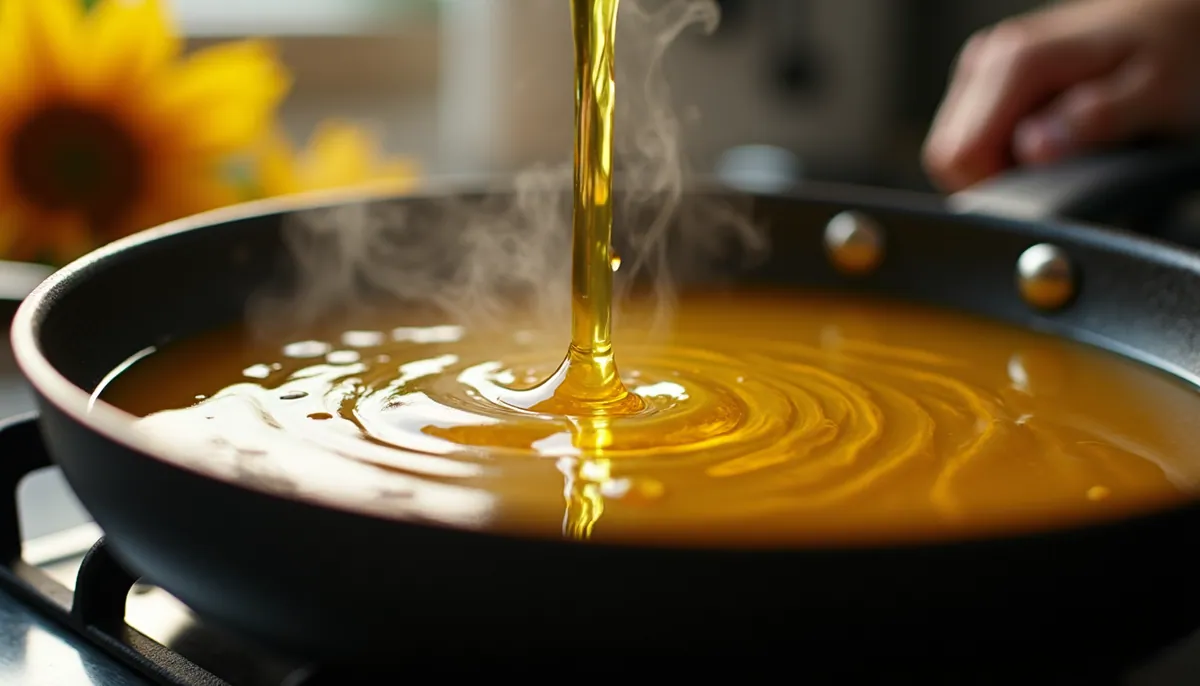
How Refined Sunflower Oil Is Made
Understanding the production process helps appreciate the quality and safety of refined sunflower oil.
Step 1: Seed Cleaning and Preparation
Sunflower seeds are cleaned to remove dirt, stones, and other impurities. They are then dehulled to separate the kernel from the shell.
Step 2: Oil Extraction
The oil is extracted using mechanical pressing or solvent extraction. Mechanical pressing is a physical method, while solvent extraction uses chemicals like hexane to maximize yield.
Step 3: Refining Process
- Degumming: Removes phospholipids and gums.
- Neutralization: Eliminates free fatty acids by adding alkali.
- Bleaching: Removes pigments and impurities using bleaching earth or activated carbon.
- Deodorization: Steam distillation removes odors and volatile compounds.
Step 4: Packaging
The refined oil is filtered and packaged in bottles or containers, ready for distribution.
Tips for Choosing and Storing Refined Sunflower Cooking Oil
Selecting the right refined sunflower cooking oil and storing it properly ensures maximum benefits and longevity.
Choosing Quality Oil
- Look for oils labeled as “refined” to ensure purity.
- Check for certifications or quality marks.
- Prefer oils stored in dark bottles to protect from light.
- Avoid oils with a rancid or off smell.
Storing Oil
- Keep oil in a cool, dark place away from heat sources.
- Seal the container tightly after each use.
- Use within the recommended shelf life, usually 12 months.
- Avoid storing near the stove or windows.
Using Oil Safely
- Do not reuse oil multiple times for frying.
- Monitor oil temperature to avoid overheating.
- Dispose of used oil responsibly.
Incorporating Refined Sunflower Oil Into Your Diet
Refined sunflower oil can be a healthy addition to your cooking routine when used wisely.
Cooking Ideas
- Use for stir-frying vegetables and meats.
- Bake cakes and muffins with sunflower oil for a light texture.
- Prepare homemade salad dressings with lemon juice and herbs.
- Roast nuts and seeds for snacks.
Health Tips
- Balance your fat intake by combining sunflower oil with oils rich in omega-3 fatty acids.
- Use in moderation as part of a varied diet.
- Pair with fresh fruits and vegetables for antioxidant support.
By understanding the properties and uses of refined sunflower cooking oil, you can make informed choices that enhance your meals and support your health. For more detailed information, visit Refine Sunflower Oil.
This comprehensive guide aims to provide practical knowledge about refined sunflower cooking oil, helping you select and use it effectively in your kitchen.
Sourcing this oil for production
For production use rather than retail packs, we supply refined sunflower oil on FOB or CIF terms by the container load. Refined (RBD) canola oil is offered on the same basis.
There is more on the same choice in Cooking with Sunflower Oil.
When you are ready to compare real numbers, ask us for pricing.
Related reading
Understanding the Sunflower Oil Refining Process: How Refined Sunflower Oil Is Made
Refined sunflower oil is a staple in many industries, valued for its light taste, high smoke point, and versatility. For wholesale buyers, manufacturers, and di…
Properties of Refined Sunflower Oil: Understanding Refined Sunflower Oil
Refined sunflower oil is a widely used cooking and industrial oil known for its light taste and high smoke point. It is extracted from sunflower seeds and then …
Refined Sunflower Oil Benefits: Understanding Refining and Its Impact
Sunflower oil is a popular choice in many industries due to its light taste and high smoke point. However, the oil you find on the market is often refined to me…