
Refined Sunflower Oil Benefits: Understanding Refining and Its Impact
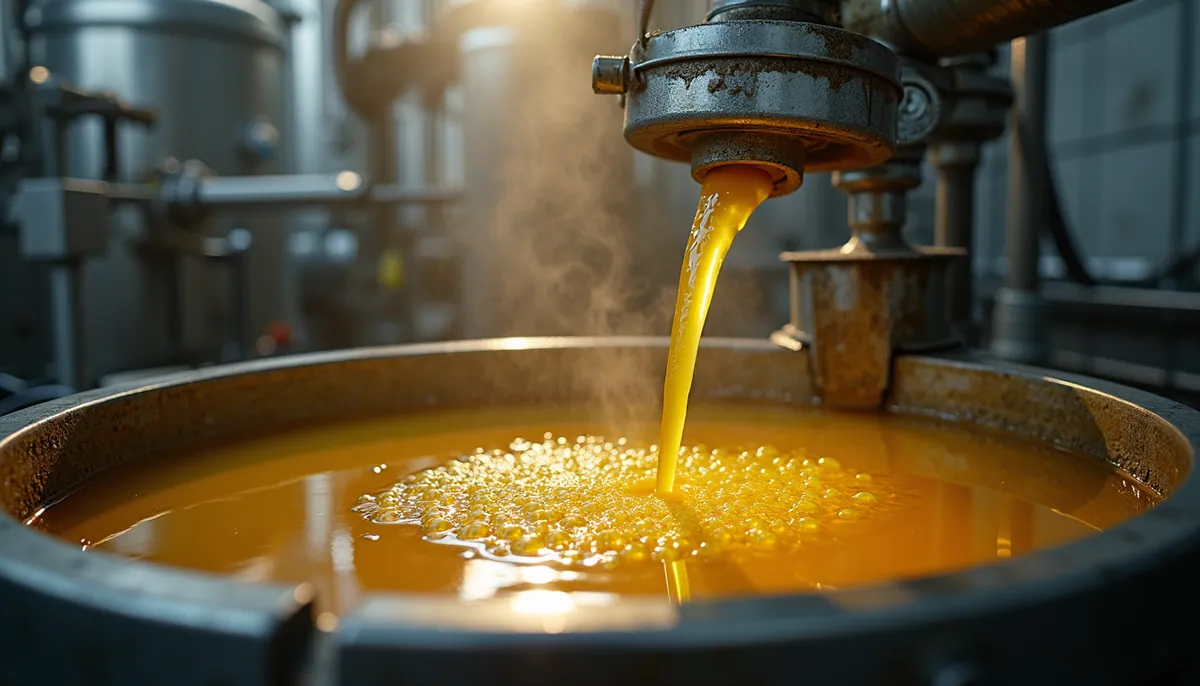
Sunflower oil is a popular choice in many industries due to its light taste and high smoke point. However, the oil you find on the market is often refined to meet quality and safety standards. Understanding the refining process and its benefits is essential for wholesale buyers, manufacturers, and distributors who want to source premium sunflower oil. In this article, I will explain what refining sunflower oil means, the benefits of refined sunflower oil, and address some common concerns about sunflower oil use.
What Does Refining Sunflower Oil Involve?
Refining sunflower oil is a multi-step process designed to improve the oil’s quality, stability, and shelf life. The raw oil extracted from sunflower seeds contains impurities such as free fatty acids, phospholipids, pigments, and odors that can affect taste and appearance. Refining removes these unwanted components.
The main steps in refining sunflower oil include:
- Degumming - Removing phospholipids and gums by treating the oil with water or acid.
- Neutralization - Eliminating free fatty acids by adding an alkali solution.
- Bleaching - Using bleaching earth or activated carbon to remove pigments and color.
- Deodorization - Applying steam distillation under vacuum to remove odors and volatile compounds.
Each step enhances the oil’s purity and makes it suitable for cooking, frying, and industrial use. The result is a clear, light-colored oil with a neutral flavor and longer shelf life.
Refined Sunflower Oil Benefits
Refined sunflower oil offers several advantages that make it a preferred choice for many applications. Here are some key benefits:
- Improved Stability: Refining removes free fatty acids and impurities that can cause the oil to spoil quickly. This increases the oil’s shelf life and makes it more stable during cooking.
- Neutral Flavor and Color: The refining process eliminates strong odors and pigments, resulting in a light-colored oil with a mild taste. This neutrality allows it to blend well with various food products without altering their flavor.
- High Smoke Point: Refined sunflower oil has a smoke point of around 440°F (227°C), making it ideal for frying and high-temperature cooking.
- Safety and Purity: Removing contaminants and impurities ensures the oil meets food safety standards, which is critical for manufacturers and distributors.
- Versatility: It can be used in food production, cosmetics, pharmaceuticals, and industrial applications due to its consistent quality.
For those sourcing sunflower oil, these benefits translate into a reliable product that meets diverse industry needs.
Why Are People Avoiding Sunflower Oil?
Despite its benefits, some buyers and consumers have concerns about sunflower oil. These concerns often stem from misunderstandings or misinformation. Here are some reasons why sunflower oil might be avoided:
- High Omega-6 Fatty Acids: Sunflower oil contains a significant amount of omega-6 fatty acids. Excessive omega-6 intake without a balanced omega-3 intake can contribute to inflammation. However, this depends on overall diet and consumption levels.
- Processing Concerns: Some prefer unrefined or cold-pressed oils, believing they retain more nutrients. While refining removes some micronutrients, it also removes harmful substances and improves safety.
- Health Trends: Popular diets sometimes discourage certain vegetable oils, including sunflower oil, in favor of alternatives like olive or avocado oil.
- Quality Variability: Poorly refined or adulterated sunflower oil can have off-flavors or reduced quality, leading to negative perceptions.
Understanding these concerns helps in making informed decisions. Choosing high-quality, properly refined sunflower oil from reputable sources ensures you get the benefits without the drawbacks.

How to Choose Quality Refined Sunflower Oil
When sourcing refined sunflower oil, it is important to consider several factors to ensure quality and consistency:
- Origin and Source: Ukrainian sunflower oil is known for its high quality due to favorable growing conditions and advanced processing facilities.
- Refining Standards: Confirm that the oil is refined using modern, food-grade processes that meet international safety standards.
- Purity and Testing: Look for certificates of analysis that verify free fatty acid content, peroxide value, and absence of contaminants.
- Packaging and Storage: Proper packaging protects the oil from light and air, preserving its quality during transport and storage.
- Supplier Reputation: Work with trusted manufacturers and distributors who provide transparent information and reliable delivery.
By focusing on these aspects, you can secure sunflower oil that meets your production and distribution requirements.
Practical Applications of Refined Sunflower Oil
Refined sunflower oil is versatile and widely used across industries. Here are some practical applications:
- Food Industry: Used for frying, baking, salad dressings, and margarine production due to its neutral taste and high smoke point.
- Cosmetics: Acts as a carrier oil in lotions, creams, and hair products because of its light texture and skin benefits.
- Pharmaceuticals: Used as a base oil in medicinal formulations.
- Industrial Uses: Employed in lubricants, paints, and biofuels.
Understanding these applications helps in aligning your sourcing strategy with market demands.
If you want to learn more about what is refined sunflower oil, this resource provides detailed insights into the refining process and its impact on oil quality.
Final Thoughts on Refining Sunflower Oil
Refining sunflower oil is a crucial process that enhances the oil’s quality, safety, and usability. The benefits of refined sunflower oil make it a valuable commodity for wholesale buyers, manufacturers, and distributors. By understanding the refining process and selecting high-quality products, businesses can meet the needs of diverse industries worldwide.
Choosing refined sunflower oil from reputable sources ensures consistent quality and supports your business goals in the global market. Whether for food production or industrial use, refined sunflower oil remains a reliable and versatile ingredient.
Buying to an agreed specification
Our bulk RBD sunflower oil ships with full export documentation and a certificate of analysis for each consignment. Refiners take crude sunflower oil as a refinery input from us rather than the finished grade.
We take the same approach in Sunflower Oil Acid Value vs FFA. We also cover Understanding Refined Sunflower Oil Specifications.
Send us the details with the grade and quantity you need priced.
Related reading
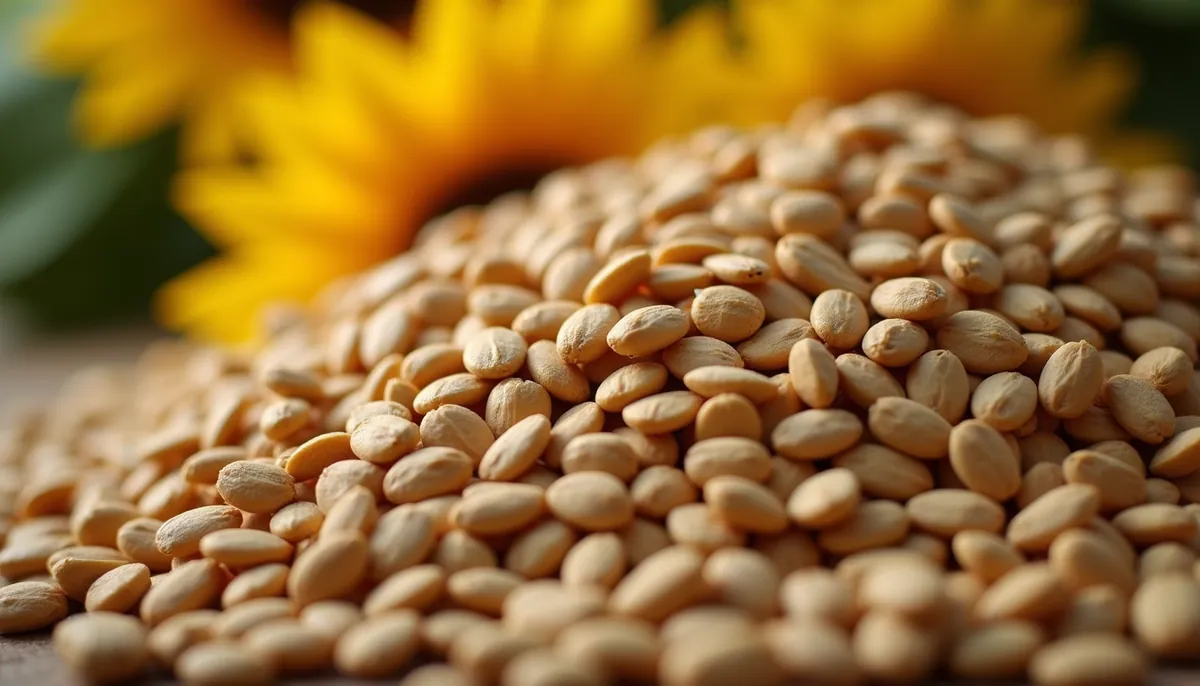
Understanding the Sunflower Oil Refining Process: How Refined Sunflower Oil Is Made
Refined sunflower oil is a staple in many industries, valued for its light taste, high smoke point, and versatility. For wholesale buyers, manufacturers, and di…

Understanding Refined Sunflower Oil Benefits
Refined sunflower oil is a popular cooking oil used worldwide for its light taste and high smoke point. It is extracted from sunflower seeds and then processed …
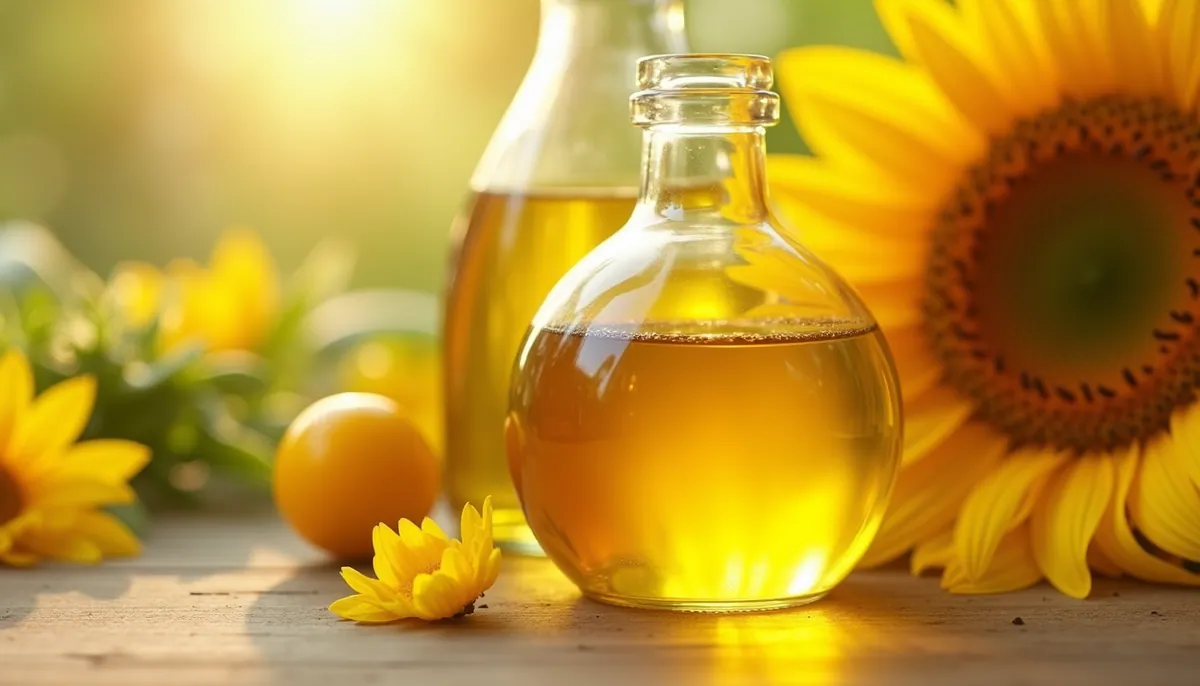
Properties of Refined Sunflower Oil: Understanding Refined Sunflower Oil
Refined sunflower oil is a widely used cooking and industrial oil known for its light taste and high smoke point. It is extracted from sunflower seeds and then …