
Properties of Refined Sunflower Oil: Understanding Refined Sunflower Oil
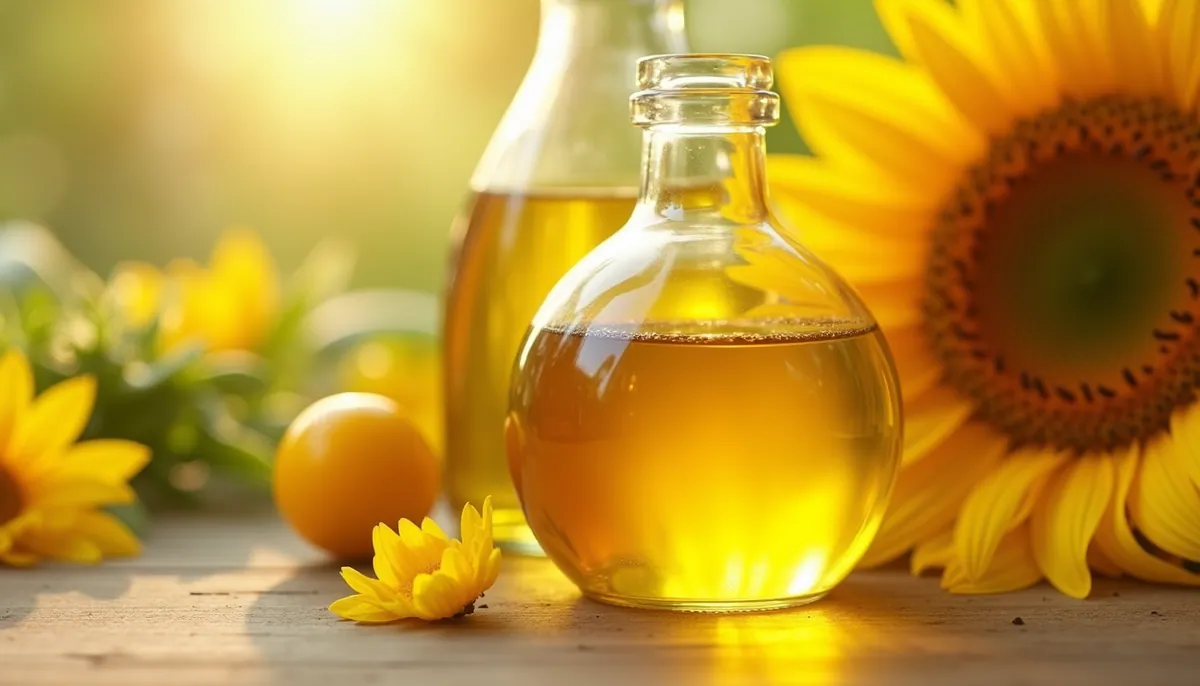
Refined sunflower oil is a widely used cooking and industrial oil known for its light taste and high smoke point. It is extracted from sunflower seeds and then processed to remove impurities, resulting in a clear, odorless oil suitable for various applications. In this article, I will explore the properties of refined sunflower oil, its production process, health aspects, and practical uses. This information is essential for wholesale buyers, manufacturers, and distributors looking to source premium refined sunflower oil efficiently.
Properties of Refined Sunflower Oil
Refined sunflower oil has several key properties that make it a preferred choice in the food and manufacturing industries. Its composition and physical characteristics contribute to its versatility and performance.
- Color and Appearance: The oil is typically pale yellow and clear after refining. This clarity is important for aesthetic reasons in food products.
- Smoke Point: Refined sunflower oil has a high smoke point, usually around 440°F (227°C). This makes it ideal for frying, baking, and other high-temperature cooking methods.
- Fatty Acid Profile: It contains a high percentage of unsaturated fats, mainly linoleic acid (omega-6) and oleic acid (omega-9). These fats are beneficial for heart health when consumed in moderation.
- Shelf Life: The refining process removes free fatty acids and other impurities, increasing the oil’s stability and shelf life.
- Neutral Flavor: The oil has a mild, neutral taste, which does not overpower the flavor of dishes.
These properties make refined sunflower oil a reliable ingredient for food manufacturers and distributors who require consistent quality and performance.
How Refined Sunflower Oil is Produced
Understanding the production process helps in assessing the quality and suitability of refined sunflower oil for various uses. The process involves several stages:
- Seed Cleaning and Preparation: Sunflower seeds are cleaned to remove dirt, stones, and other foreign materials.
- Extraction: Oil is extracted from the seeds using mechanical pressing or solvent extraction methods.
- Degumming: This step removes phospholipids and gums that can affect oil stability.
- Neutralization: Free fatty acids are neutralized using alkali treatment to improve taste and shelf life.
- Bleaching: The oil is treated with bleaching earth or activated carbon to remove pigments and impurities.
- Deodorization: Steam distillation removes volatile compounds that cause odor and flavor.
- Winterization (optional): This process removes waxes to prevent cloudiness at low temperatures.
Each step is crucial to ensure the oil meets industry standards for purity, taste, and stability. Manufacturers and distributors should verify that suppliers follow strict quality control during refining.
Is Refined Sunflower Oil Healthy?
The health aspects of refined sunflower oil are often discussed due to its fatty acid composition and refining process. Here are some important points to consider:
- Rich in Unsaturated Fats: Refined sunflower oil contains mostly unsaturated fats, which can help reduce bad cholesterol levels and support cardiovascular health.
- Low in Saturated Fat: It has a low saturated fat content, which is beneficial for maintaining healthy cholesterol levels.
- Vitamin E Content: The oil naturally contains vitamin E, an antioxidant that protects cells from damage.
- Refining Impact: While refining removes impurities, it can also reduce some nutrients like phytosterols and antioxidants. However, the oil remains a good source of healthy fats.
- Omega-6 Fatty Acids: The high omega-6 content should be balanced with omega-3 intake to avoid inflammation-related issues.
For wholesale buyers and manufacturers, it is important to source refined sunflower oil that maintains a good balance of nutrients and meets health standards. Using it in moderation as part of a balanced diet or product formulation is advisable.

Practical Uses of Refined Sunflower Oil
Refined sunflower oil is highly versatile and used in many industries. Here are some common applications:
- Cooking and Food Production: Its neutral flavor and high smoke point make it ideal for frying, baking, salad dressings, and margarine production.
- Cosmetics and Personal Care: The oil is used in lotions, creams, and hair products due to its moisturizing properties.
- Industrial Applications: It serves as a base for bio-lubricants, paints, and coatings.
- Pharmaceuticals: Refined sunflower oil is sometimes used as a carrier oil in medicinal formulations.
For distributors and manufacturers, understanding these uses helps in targeting the right markets and customers. It also aids in selecting the appropriate grade and packaging of refined sunflower oil.
Sourcing and Quality Considerations
When sourcing refined sunflower oil, several factors ensure you receive a premium product:
- Origin: Ukrainian refined sunflower oil is known for its high quality due to favorable growing conditions and advanced processing techniques.
- Certifications: Look for oils with certifications such as ISO, HACCP, and organic labels if required.
- Packaging: Proper packaging protects the oil from light and air, preserving its quality during transport and storage.
- Supplier Reliability: Choose suppliers with a proven track record and transparent quality control processes.
By focusing on these aspects, wholesale buyers and distributors can secure a consistent supply of refined sunflower oil that meets industry demands.
Expanding Market Opportunities with Refined Sunflower Oil
The global demand for refined sunflower oil continues to grow due to its health benefits and versatility. Expanding into new markets requires understanding regional preferences and regulations. For example:
- In North America, consumers prefer oils with clear labeling and health claims.
- European markets often demand organic and sustainably sourced oils.
- Asia-Pacific regions show increasing interest in oils suitable for high-temperature cooking.
By aligning sourcing strategies with these trends, businesses can enhance their market reach and customer satisfaction.
Refined sunflower oil is a valuable commodity with distinct properties that support diverse industrial and culinary applications. Knowing the details about its production, health benefits, and uses helps in making informed purchasing and distribution decisions. For those involved in the supply chain, focusing on quality, certifications, and market trends will ensure success in this competitive sector.
For more detailed information on what is refined sunflower oil, you can visit the linked resource to deepen your understanding and explore sourcing options.
Sourcing oil to this specification
We supply refined sunflower oil by the container load against an agreed written specification, with a certificate of analysis issued per consignment. Where you do the refining yourself, ask about crude sunflower oil before refining.
If you are assembling a full specification, Refined Sunflower Oil Smoke Point Explained is the companion piece.
Start a quote request and include your required packing format and destination. See buyer references and case studies for how that side is handled.
Related reading
Understanding the Sunflower Oil Refining Process: How Refined Sunflower Oil Is Made
Refined sunflower oil is a staple in many industries, valued for its light taste, high smoke point, and versatility. For wholesale buyers, manufacturers, and di…
Refined Sunflower Oil Benefits: Understanding Refining and Its Impact
Sunflower oil is a popular choice in many industries due to its light taste and high smoke point. However, the oil you find on the market is often refined to me…

Refined Sunflower Oil Overview: Understanding Refined Sunflower Oil and Its Uses
Refined sunflower oil is a staple ingredient in many industries, especially in food manufacturing and wholesale distribution. Its versatility and quality make i…