
Specifications of Refined Sunflower Oil Explained
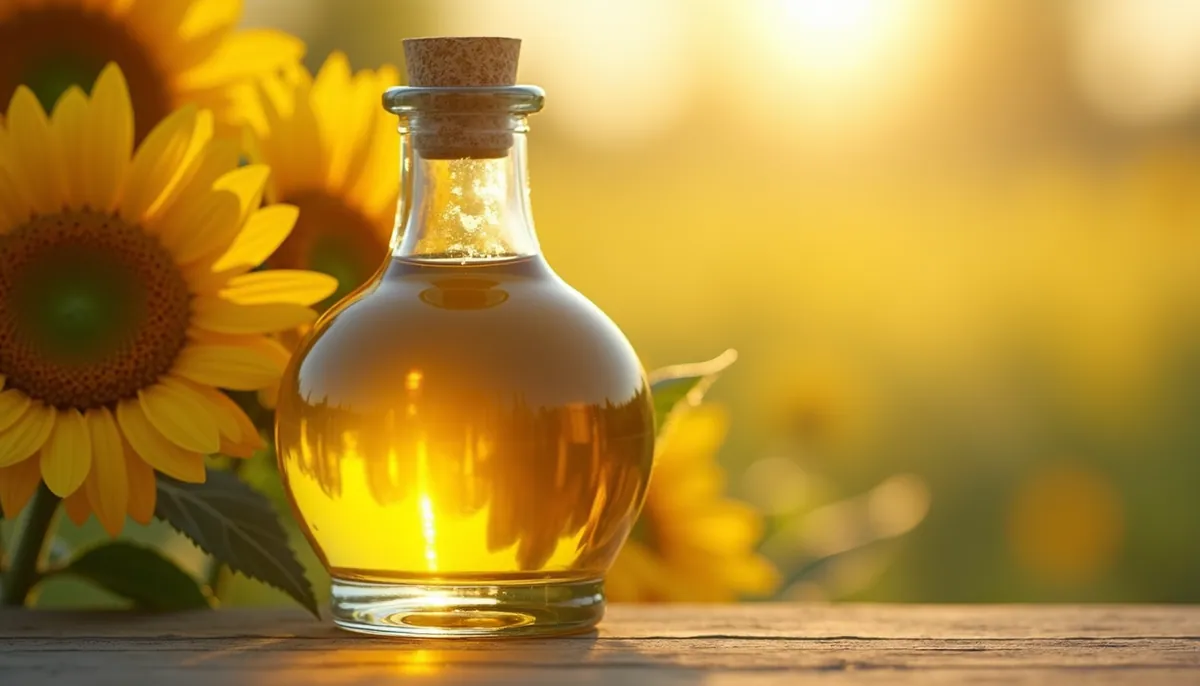
Refined sunflower oil is a popular cooking oil known for its light taste and high smoke point. It is widely used in kitchens around the world for frying, baking, and salad dressings. Understanding the properties of refined sunflower oil can help you make better choices for your cooking and health needs. This article will explore the key characteristics, benefits, and specifications of this versatile oil.
Understanding the Properties of Refined Sunflower Oil
Refined sunflower oil is extracted from sunflower seeds and then processed to remove impurities, color, and odor. This refining process enhances the oil’s stability and shelf life, making it suitable for various culinary applications. Some of the main properties include:
- Light color and neutral flavor: The refining process removes pigments and strong flavors, resulting in a pale yellow oil with a mild taste that does not overpower dishes.
- High smoke point: Typically around 440°F (227°C), refined sunflower oil can withstand high cooking temperatures without breaking down or producing harmful compounds.
- Rich in unsaturated fats: It contains a high percentage of polyunsaturated and monounsaturated fats, which are considered heart-healthy.
- Low in saturated fats: This makes it a healthier alternative to oils high in saturated fats like palm or coconut oil.
These properties make refined sunflower oil a preferred choice for frying, sautéing, and baking, as well as for use in salad dressings and marinades.
Nutritional Profile and Health Benefits
Refined sunflower oil is not only valued for its cooking properties but also for its nutritional benefits. It is a good source of vitamin E, an antioxidant that helps protect cells from damage. Here are some key nutritional aspects:
- Vitamin E content: One tablespoon of refined sunflower oil provides about 5.6 mg of vitamin E, which supports skin health and immune function.
- Omega-6 fatty acids: These essential fatty acids help maintain brain function and normal growth.
- Low trans fats: The refining process ensures that the oil contains negligible trans fats, which are harmful to heart health.
However, it is important to balance omega-6 intake with omega-3 fatty acids from other sources to maintain a healthy diet. Using refined sunflower oil in moderation as part of a varied diet can contribute to overall wellness.
Key Specifications of Refined Sunflower Oil
When selecting refined sunflower oil, it is useful to understand the technical specifications that define its quality and suitability for different uses. These specifications include:
- Free Fatty Acid (FFA) content: Indicates the level of oil degradation; lower FFA means higher quality. Typically, refined sunflower oil has an FFA of less than 0.1%.
- Peroxide value: Measures the extent of oxidation; a low peroxide value indicates freshness and stability.
- Moisture and impurities: Should be minimal to ensure purity and longer shelf life.
- Color: Usually measured using the Lovibond scale, refined sunflower oil has a light yellow color.
- Smoke point: As mentioned, a high smoke point around 440°F (227°C) is essential for frying and high-heat cooking.
For detailed and certified information, you can refer to the refined sunflower oil specifications provided by reputable suppliers.

How to Use Refined Sunflower Oil in Cooking
Refined sunflower oil’s neutral flavor and high smoke point make it extremely versatile in the kitchen. Here are some practical tips for using it effectively:
- Frying and deep-frying: Its stability at high temperatures prevents the oil from breaking down, making it ideal for frying foods like chicken, potatoes, and vegetables.
- Baking: Use it as a substitute for butter or other oils in cakes, muffins, and bread for a lighter texture.
- Salad dressings and marinades: Its mild taste allows other flavors to shine without interference.
- Sautéing and stir-frying: The oil’s ability to handle heat without smoking makes it perfect for quick cooking methods.
To maximize freshness, store refined sunflower oil in a cool, dark place and use it within the recommended shelf life.
Factors Affecting the Quality of Refined Sunflower Oil
Several factors influence the quality and performance of refined sunflower oil. Being aware of these can help you choose the best product and maintain its quality:
- Seed quality: The quality of sunflower seeds used affects the oil’s flavor and nutritional content.
- Refining process: Proper refining removes impurities without stripping away beneficial nutrients.
- Storage conditions: Exposure to light, heat, and air can degrade the oil, causing rancidity.
- Packaging: Dark glass bottles or metal containers help protect the oil from oxidation.
By paying attention to these factors, you can ensure that the refined sunflower oil you use is fresh, safe, and effective for your cooking needs.
Selecting the Right Refined Sunflower Oil for Your Needs
When purchasing refined sunflower oil, consider the following to ensure you get the best product:
- Check the label: Look for information on refining methods, nutritional content, and certifications.
- Source and brand reputation: Choose oils from trusted producers who provide transparent quality data.
- Intended use: Select oils with specifications that match your cooking style, such as high smoke point for frying.
- Packaging: Opt for containers that protect the oil from light and air.
By making informed choices, you can enjoy the benefits of refined sunflower oil while maintaining the quality and safety of your meals.
Enhancing Your Cooking with Refined Sunflower Oil
Incorporating refined sunflower oil into your cooking routine can elevate your dishes while supporting a balanced diet. Here are some actionable recommendations:
- Use it for everyday cooking tasks that require a neutral oil.
- Combine it with herbs and spices to create flavorful dressings.
- Replace less healthy fats with refined sunflower oil to reduce saturated fat intake.
- Experiment with frying different foods to find your favorite recipes.
With its excellent properties and versatility, refined sunflower oil is a valuable addition to any kitchen.
By understanding the properties and specifications of refined sunflower oil, you can make smarter choices that benefit both your cooking and health. Whether frying, baking, or dressing salads, this oil offers a reliable and nutritious option for a wide range of culinary uses.
How we document each consignment
We contract refined sunflower oil for bulk buyers to the specification you agree in writing rather than to a published sheet. Refined (RBD) coconut oil is available on the same terms where it suits your process better.
RBD Sunflower Oil Explained is worth reading alongside this.
With a destination port and a volume we can quote the same week — put your requirement to us. There is more on images of flexitank and drum loading elsewhere on the site.
Related reading
Refined Sunflower Oil Smoke Point Explained
Understanding the smoke point of cooking oils is essential for anyone involved in food production, wholesale buying, or distribution. The smoke point determines…
How Sunflower Oil Is Refined: The Full Industrial Process Explained
<h2>Introduction: Why Refining Sunflower Oil Matters for Bulk Oil Buyers</h2> <p>How Sunflower Oil Is Refined: The Full Industrial Process Explained. For busine…
Refined Sunflower Oil Specifications: Complete Technical Guide for Buyers [2026]
A complete technical reference for refined sunflower oil specifications including FFA, peroxide value, color, moisture content, and fatty acid profiles — essent…