
How Sunflower Oil Is Refined
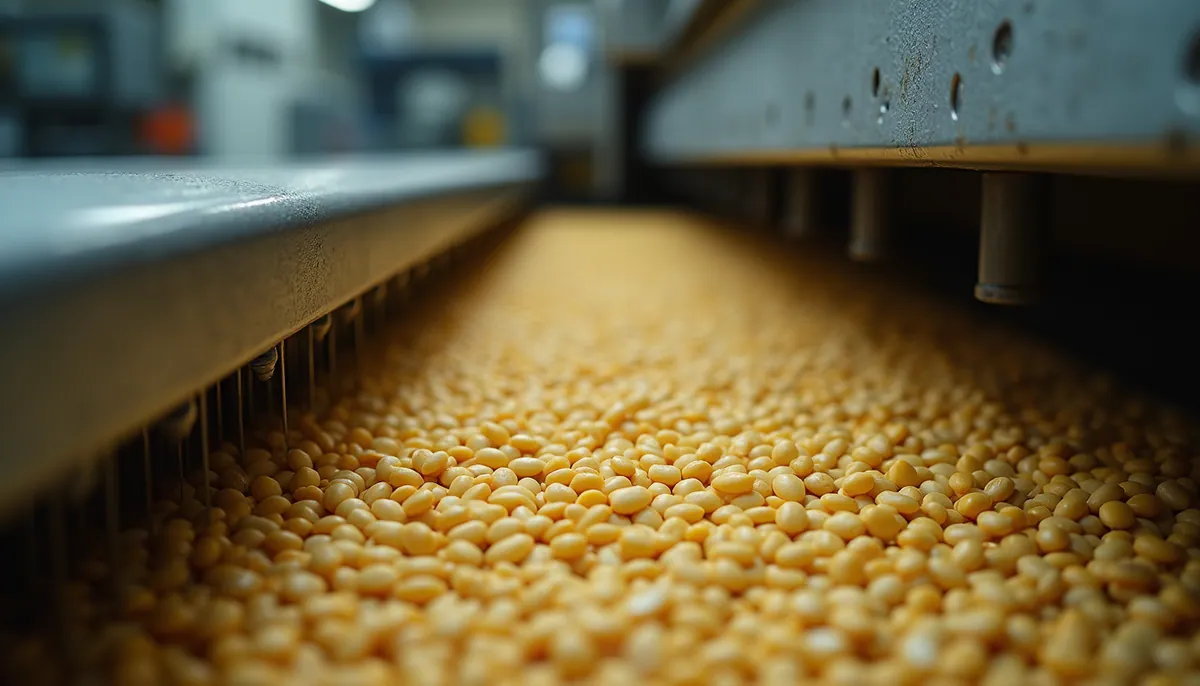
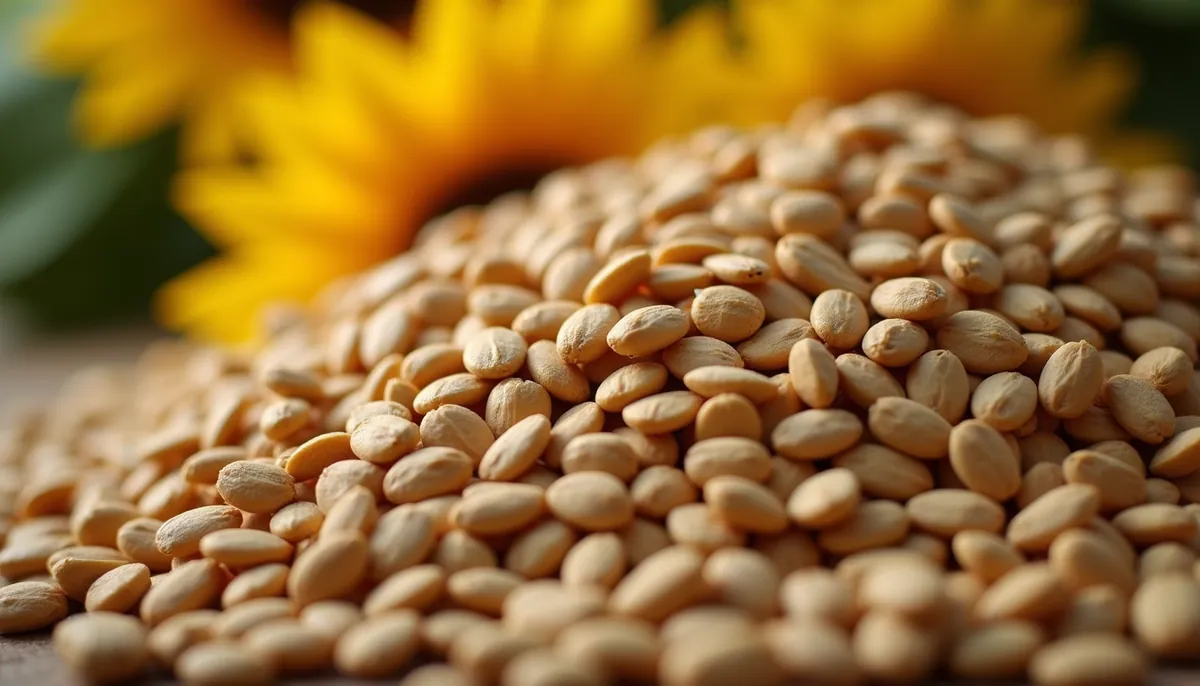
Sunflower oil is a popular cooking oil known for its light taste and high smoke point. But have you ever wondered how raw sunflower seeds are transformed into the clear, golden oil found on supermarket shelves? The sunflower oil refining process is a series of carefully controlled steps designed to improve the oil’s quality, taste, and shelf life. This article will guide you through the key stages of refining sunflower oil, explaining what happens at each step and why it matters.
The Sunflower Oil Refining Process: Step by Step
Refining sunflower oil involves several stages that remove impurities and unwanted components from the crude oil extracted from sunflower seeds. The main goals are to improve the oil’s color, flavor, stability, and nutritional value. Here are the primary steps involved:
1. Degumming
The first step is degumming, which removes phospholipids and other gum-like substances. These gums can cause cloudiness and reduce the oil’s shelf life. During degumming, the crude oil is mixed with water or acid, causing the gums to hydrate and separate from the oil. The hydrated gums are then removed by centrifugation.
2. Neutralization
Next, the oil undergoes neutralization to remove free fatty acids (FFAs) that can cause off-flavors and reduce oil quality. This is done by adding an alkaline solution, usually sodium hydroxide, which reacts with the FFAs to form soapstock. The soapstock is separated from the oil by centrifugation.
3. Bleaching
Bleaching removes pigments such as carotenoids and chlorophyll, which affect the oil’s color and stability. The oil is mixed with bleaching earth or activated carbon, which adsorbs these pigments and other impurities. After mixing, the oil is filtered to remove the spent bleaching agents.
4. Deodorization
Deodorization is a steam distillation process that removes volatile compounds responsible for undesirable odors and flavors. The oil is heated under vacuum while steam is passed through it, stripping away these compounds. This step also improves the oil’s stability and extends its shelf life.
5. Winterization (Optional)
Winterization is an optional step used to remove waxes and other high-melting-point substances that can cause cloudiness when the oil is refrigerated. The oil is cooled slowly, allowing waxes to crystallize, and then filtered to remove them.
Each of these steps plays a crucial role in producing high-quality refined sunflower oil suitable for cooking and food production.
What Does It Mean When Sunflower Oil Is Refined?
When sunflower oil is described as “refined,” it means the oil has undergone the processes mentioned above to remove impurities and improve its characteristics. Refining transforms crude sunflower oil, which may have a strong flavor, dark color, and shorter shelf life, into a clear, light-tasting, and stable product.
Refined sunflower oil is preferred for many culinary uses because it has:
- A neutral flavor that does not overpower dishes
- A higher smoke point, making it suitable for frying and high-heat cooking
- Improved clarity and color, which is visually appealing
- Longer shelf life due to the removal of unstable compounds
Refining also reduces substances that could cause allergic reactions or digestive discomfort in some people. However, some nutrients like vitamin E and phytosterols may be reduced during refining, so unrefined or cold-pressed oils are sometimes chosen for their nutritional benefits.
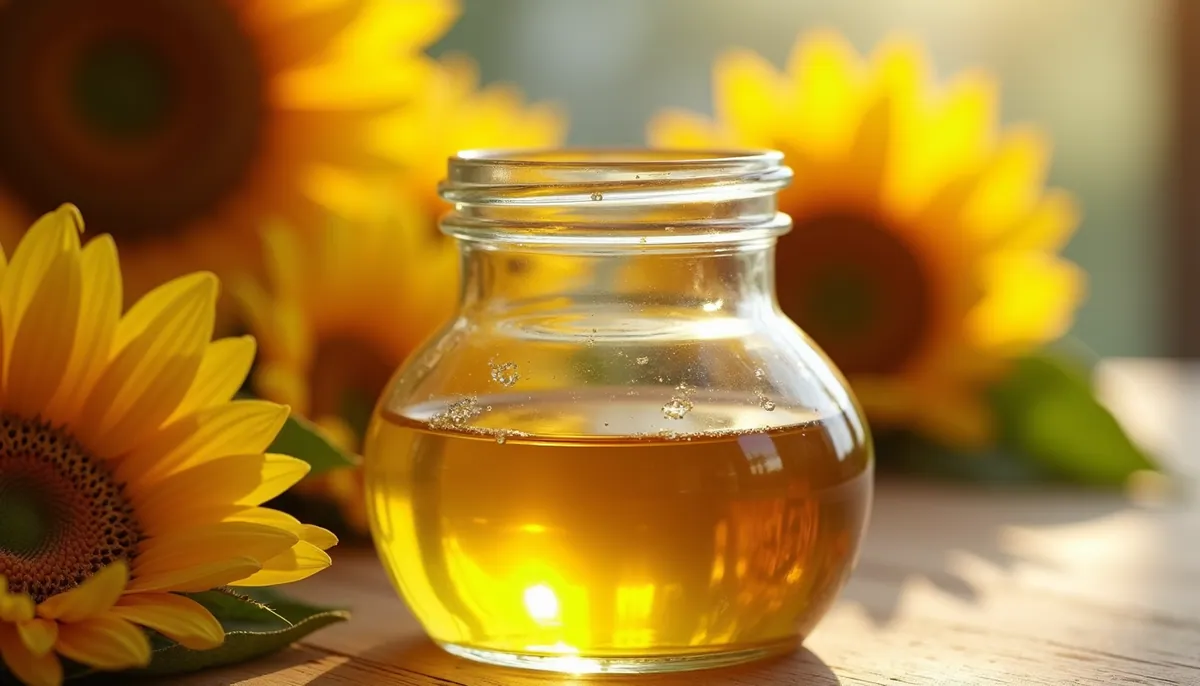
Understanding what refining means helps consumers make informed choices about the type of sunflower oil they want to use.
Why Is the Refined Sunflower Oil Process Important?
The refined sunflower oil process is essential for producing oil that meets food safety standards and consumer expectations. Here are some reasons why this process is important:
- Improved Taste and Aroma: Removing free fatty acids and volatile compounds results in a clean, neutral flavor.
- Enhanced Stability: Refining removes components that can cause rancidity, extending the oil’s shelf life.
- Better Appearance: Bleaching produces a clear, light-colored oil that is more attractive to consumers.
- Safety: Neutralization and deodorization reduce harmful substances and contaminants.
- Versatility: Refined oil can be used in a wide range of cooking methods, including frying, baking, and salad dressings.
For manufacturers, refining sunflower oil ensures consistency and quality, which is critical for branding and customer satisfaction.
Practical Tips for Choosing and Using Refined Sunflower Oil
When selecting sunflower oil, consider the following tips to get the best results in your cooking:
- Check the Label: Look for terms like “refined” or “pure” sunflower oil to ensure it has undergone the refining process.
- Storage: Store oil in a cool, dark place to maintain freshness and prevent oxidation.
- Cooking Use: Use refined sunflower oil for frying, sautéing, and baking due to its high smoke point.
- Nutritional Balance: If you want more nutrients, consider blending refined oil with cold-pressed sunflower oil.
- Avoid Overheating: Even refined oils can degrade if heated excessively, so monitor cooking temperatures.
By understanding the refining process, you can better appreciate the qualities of sunflower oil and use it effectively in your kitchen.

The Future of Sunflower Oil Refining
Advancements in technology continue to improve the sunflower oil refining process. Innovations focus on:
- Reducing Chemical Use: Developing physical refining methods that minimize chemical inputs.
- Preserving Nutrients: Techniques that retain more natural antioxidants and vitamins.
- Sustainability: Using eco-friendly bleaching agents and reducing waste.
- Automation: Enhancing precision and efficiency in refining plants.
These improvements aim to produce healthier, safer, and more environmentally friendly sunflower oil products for consumers worldwide.
By staying informed about the refining process, consumers and producers alike can contribute to a better food system.
Understanding the sunflower oil refining process helps you appreciate the journey from seed to table. Whether you are cooking at home or involved in food production, knowing how sunflower oil is refined empowers you to make better choices and enjoy this versatile oil to its fullest.
Supply and documentation
If you are writing this parameter into a contract, we supply refined sunflower oil in bulk and issue documentation per shipment. Buyers running their own refinery usually ask about non-degummed crude sunflower oil instead.
Properties of Refined Sunflower Oil: Understanding Refined Sunflower Oil covers a related quality parameter. See also Refined Sunflower Oil Benefits.
Send your volume, packing format and destination port, or simply ask us to quote it.
Related reading
Refined Sunflower Oil Production Process: A Comprehensive Overview
Refined sunflower oil is a staple in many industries, valued for its light taste, high smoke point, and nutritional benefits. Understanding the sunflower oil pr…
Refined Sunflower Oil Smoke Point Explained
Understanding the smoke point of cooking oils is essential for anyone involved in food production, wholesale buying, or distribution. The smoke point determines…
Understanding the Sunflower Oil Refining Process: How Refined Sunflower Oil Is Made
Refined sunflower oil is a staple in many industries, valued for its light taste, high smoke point, and versatility. For wholesale buyers, manufacturers, and di…