
Choosing High Heat Cooking Oils: A Guide for Wholesale Buyers and Manufacturers
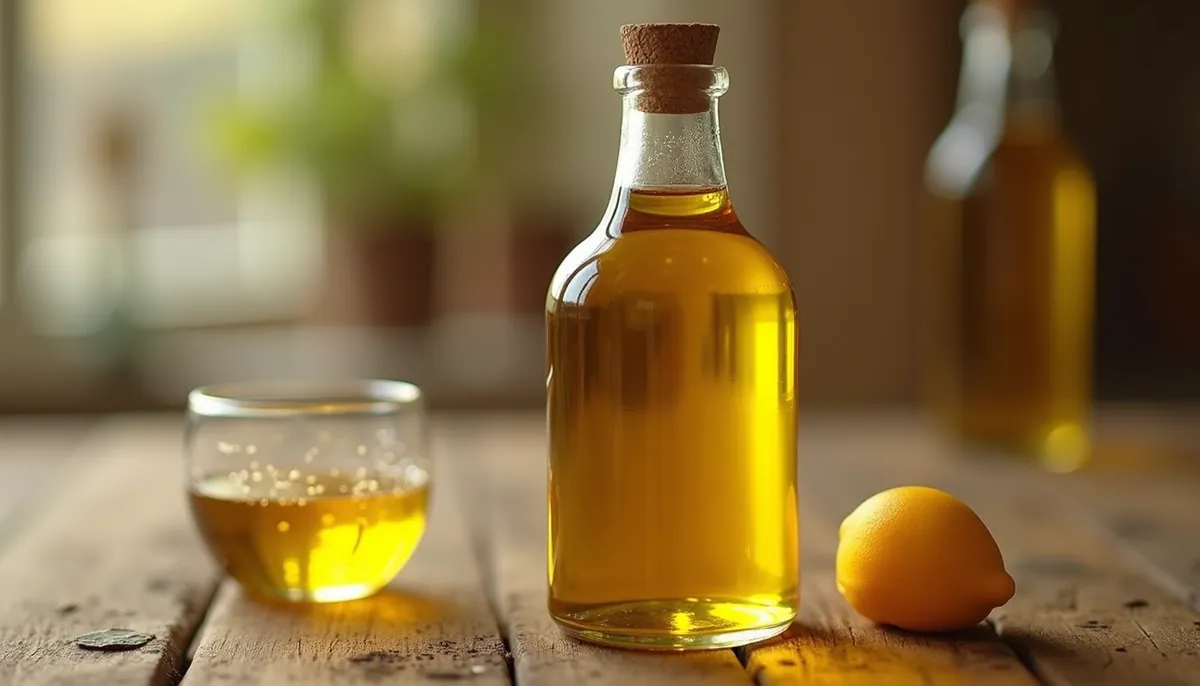
When selecting cooking oils for commercial kitchens or food production, understanding the smoke point of oils is crucial. The smoke point is the temperature at which an oil begins to smoke and break down, producing harmful compounds and unpleasant flavors. Choosing the right oil with a high smoke point ensures food quality, safety, and efficiency in cooking processes. This guide will help you navigate the options and make informed decisions about high heat cooking oils.
Understanding High Heat Cooking Oils and Their Importance
High heat cooking oils are essential for frying, sautéing, grilling, and other cooking methods that require temperatures above 400°F (204°C). Oils with low smoke points can degrade quickly, leading to smoke, off-flavors, and potential health risks. For wholesale buyers and manufacturers, selecting oils that maintain stability at high temperatures is key to product consistency and customer satisfaction.
Using the right oil also affects the shelf life of the final product and the maintenance of cooking equipment. Oils that burn or smoke excessively can leave residues that are difficult to clean and may damage machinery over time. Therefore, investing in high-quality oils with appropriate smoke points is a practical and economical choice.
Key Factors to Consider When Choosing High Heat Cooking Oils
When sourcing oils for high temperature cooking, several factors should be evaluated:
- Smoke Point: The primary consideration. Oils with smoke points above 400°F are generally suitable for high heat cooking.
- Flavor Profile: Neutral oils are preferred for frying to avoid altering the taste of food.
- Fat Composition: Oils high in monounsaturated and saturated fats tend to be more stable at high temperatures.
- Refinement Level: Refined oils usually have higher smoke points than unrefined or virgin oils.
- Cost and Availability: For large-scale operations, cost-effectiveness and consistent supply are important.
- Nutritional Aspects: Some oils offer health benefits, such as high vitamin E content or favorable fatty acid profiles.
By balancing these factors, you can select oils that meet both culinary and business needs.
Which oils are best for high heat cooking?
Several oils stand out as excellent choices for high heat cooking due to their high smoke points and stability:
- Refined Sunflower Oil
Refined sunflower oil has a smoke point around 450°F (232°C). It is light in flavor and color, making it ideal for frying and baking. Its high content of monounsaturated fats contributes to its heat stability. - Refined Avocado Oil
With a smoke point near 520°F (271°C), refined avocado oil is one of the highest smoke point oils available. It has a mild flavor and is rich in monounsaturated fats. - Refined Peanut Oil
Peanut oil has a smoke point of about 450°F (232°C). It is commonly used in commercial frying due to its neutral taste and heat tolerance. - Refined Canola Oil
Canola oil’s smoke point is approximately 400°F (204°C). It is affordable and widely available, making it a popular choice for many food manufacturers. - Refined Safflower Oil
This oil has a smoke point around 450°F (232°C) and a neutral flavor, suitable for high temperature cooking. - Refined Coconut Oil
With a smoke point of about 450°F (232°C), refined coconut oil is stable at high heat but has a distinct flavor that may not suit all dishes.
Each of these oils offers specific advantages depending on the cooking method and desired flavor profile.
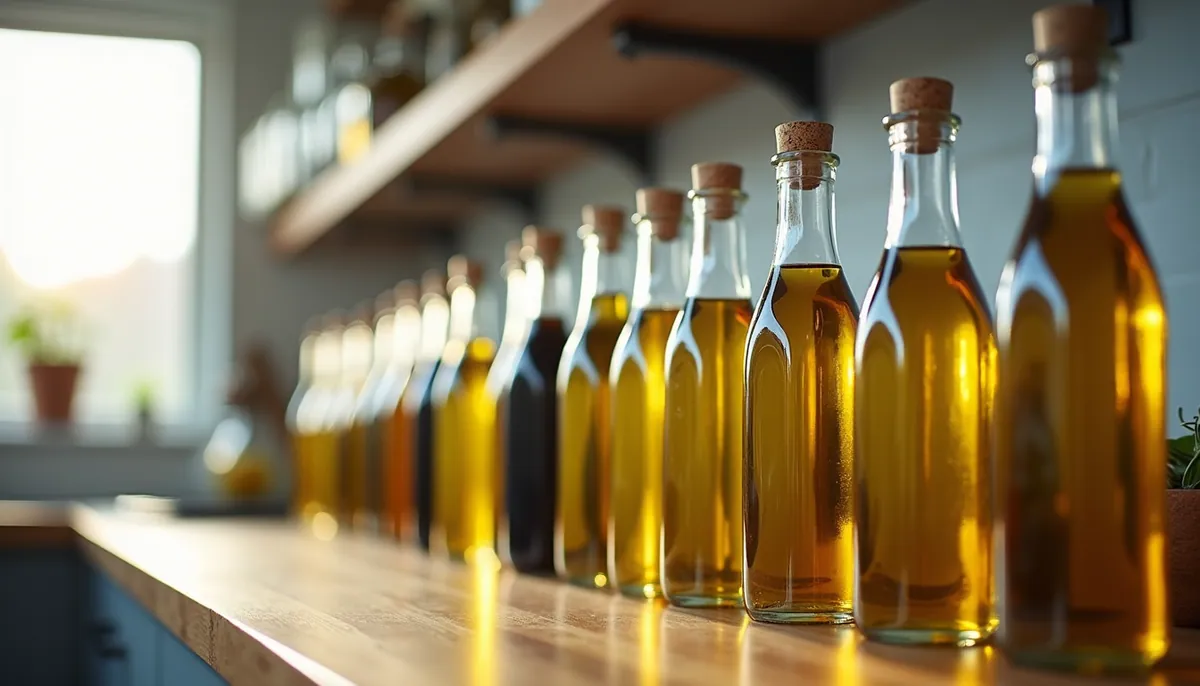
Practical Tips for Using High Heat Cooking Oils in Bulk
When purchasing and using high heat cooking oils in large quantities, consider the following:
- Storage Conditions: Store oils in a cool, dark place to prevent oxidation and rancidity.
- Packaging: Bulk buyers should opt for sealed containers that protect oil quality during transport and storage.
- Rotation: Use a first-in, first-out system to ensure oils are used before their expiration.
- Testing: Regularly test oil quality, especially if reusing frying oil, to maintain food safety and taste.
- Supplier Reliability: Work with suppliers who provide consistent quality and can meet volume demands.
Implementing these practices helps maintain oil quality and reduces waste.
The Role of Refined Sunflower Oil in High Heat Cooking
Refined sunflower oil is a standout option for high heat cooking applications. It combines a high smoke point with a neutral flavor, making it versatile for various culinary uses. Its fatty acid profile supports heat stability, and it is widely available from reputable manufacturers.
For wholesale buyers and distributors, refined sunflower oil offers a reliable and cost-effective solution. It aligns well with the needs of food manufacturers seeking consistent performance and quality. Additionally, sourcing from established platforms that connect international buyers with top producers ensures access to premium refined sunflower oil.
Using a high smoke point cooking oil like refined sunflower oil can improve cooking efficiency and product quality, supporting business growth and customer satisfaction.
Final Thoughts on Selecting High Heat Cooking Oils
Choosing the right high heat cooking oil is a strategic decision that impacts product quality, operational efficiency, and customer experience. By understanding smoke points, oil characteristics, and practical handling tips, wholesale buyers and manufacturers can optimize their cooking processes.
Refined oils such as sunflower, avocado, and peanut oil provide excellent options for high temperature cooking. Prioritizing oils with high smoke points and neutral flavors ensures food safety and taste integrity. Additionally, partnering with reliable suppliers guarantees consistent supply and quality.
Investing time and resources into selecting the best high heat cooking oils will pay off in improved product outcomes and streamlined operations.
How to source this grade
Buyers comparing suppliers can contract refined sunflower oil for wholesale buyers from us with full export documentation on every shipment. Refined canola oil can go on the same booking.
There is more on the sourcing process in Exploring Refined Sunflower Oil Uses.
Give us a port and a volume and we will quote it: ask us for pricing.
Related reading

Choosing the Right Best High-Heat Cooking Oils for Your Needs
Selecting the right cooking oil is essential for achieving the best results in food preparation, especially when cooking at high temperatures. Oils with a high …
Choosing the Right High Heat Oils for Your Cooking Needs
When it comes to cooking, selecting the right oil is crucial. The choice of oil affects not only the flavor of your dishes but also the safety and efficiency of…
Choosing the Right Oils for Frying at High Heat
When it comes to cooking, selecting the right oil can make a significant difference in the quality and safety of your dishes. This is especially true for frying…