
Cooking with Sunflower Oil: Using Refined Sunflower Oil in Cooking
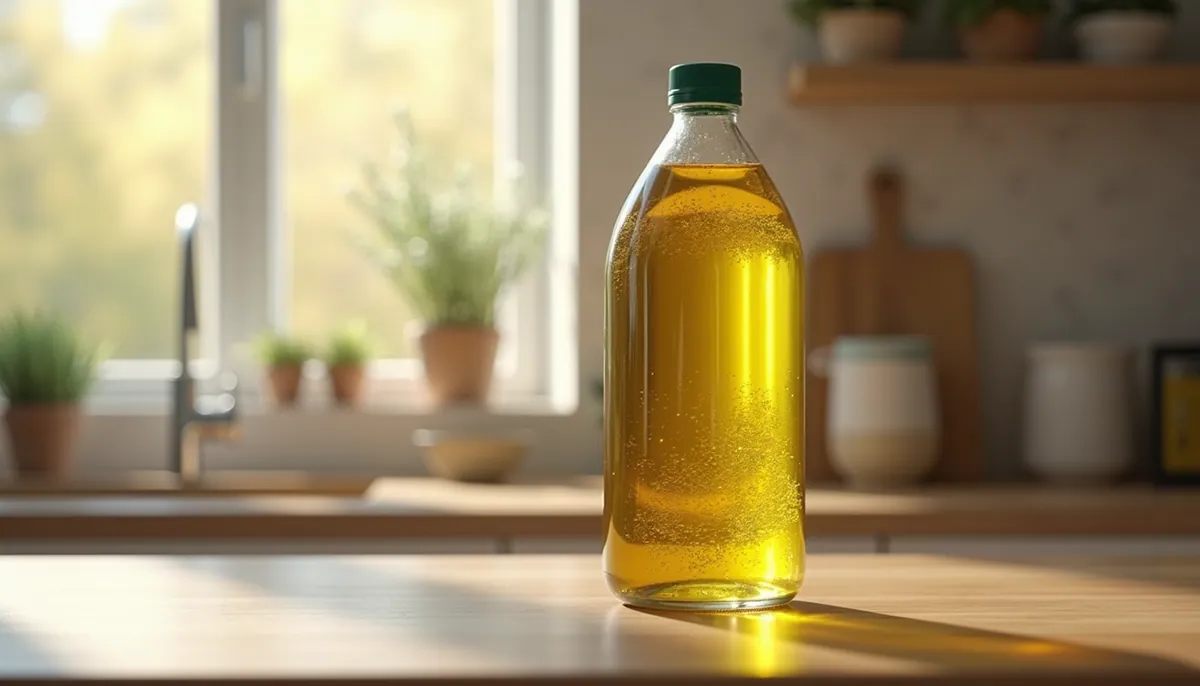
Refined sunflower oil is a popular choice in many kitchens and food production facilities worldwide. Its neutral flavor, high smoke point, and versatility make it ideal for various cooking methods. In this post, I will share insights on using refined sunflower oil in cooking, highlighting its benefits, applications, and how it compares to other types of sunflower oil. This information is especially useful for wholesale buyers, manufacturers, and distributors looking to source quality cooking oils.
Benefits of Cooking with Sunflower Oil
Sunflower oil offers several advantages that make it a preferred option for cooking and food manufacturing. Here are some key benefits:
- High Smoke Point: Refined sunflower oil has a smoke point of around 440°F (227°C), which means it can withstand high temperatures without breaking down. This makes it excellent for frying, sautéing, and baking.
- Neutral Flavor: The oil has a mild taste that does not overpower the natural flavors of food. This neutrality allows it to be used in a wide range of recipes.
- Rich in Vitamin E: Sunflower oil contains a good amount of vitamin E, an antioxidant that supports health and helps preserve the oil’s freshness.
- Light Texture: It has a light consistency that does not leave food greasy or heavy.
- Versatility: Suitable for salad dressings, marinades, and even as a base for sauces.
These benefits make refined sunflower oil a practical and efficient choice for large-scale food production and commercial kitchens.
Cooking with Sunflower Oil: Practical Applications
Using sunflower oil in cooking is straightforward due to its adaptable nature. Here are some practical ways to incorporate it into your culinary processes:
- Frying and Deep-Frying
Thanks to its high smoke point, refined sunflower oil is excellent for frying foods like potatoes, chicken, and vegetables. It maintains stability at high heat, ensuring food cooks evenly without absorbing excessive oil. - Baking
Sunflower oil can replace butter or other oils in baking recipes. It helps create moist cakes, muffins, and bread without altering the flavor. - Sautéing and Stir-Frying
Its light texture allows quick cooking of vegetables, meats, and seafood while preserving their natural taste. - Salad Dressings and Marinades
The neutral flavor makes it a perfect base for vinaigrettes and marinades, allowing herbs and spices to shine. - Industrial Food Production
Manufacturers often prefer refined sunflower oil for its consistency, long shelf life, and ability to blend well with other ingredients.
When sourcing oil for these uses, it is important to choose high-quality refined sunflower oil to ensure optimal performance and safety.
What is the difference between refined sunflower oil and normal sunflower oil?
Understanding the difference between refined sunflower oil and normal (or unrefined) sunflower oil is crucial for making informed purchasing decisions.
- Refined Sunflower Oil
This oil undergoes a refining process that removes impurities, free fatty acids, and other unwanted components. The process typically includes degumming, neutralization, bleaching, and deodorization. The result is a clear, light-colored oil with a neutral taste and a higher smoke point. It is more stable and suitable for high-temperature cooking.
- Normal (Unrefined) Sunflower Oil
Unrefined sunflower oil is extracted mechanically or by cold pressing without extensive processing. It retains more natural flavors, color, and nutrients but has a lower smoke point and shorter shelf life. It is better suited for low-heat cooking or as a finishing oil.
Choosing between these depends on the intended use. For frying and industrial cooking, refined sunflower oil is preferred due to its stability and neutral flavor. For dressings or low-heat applications, unrefined oil may be desirable for its richer taste.
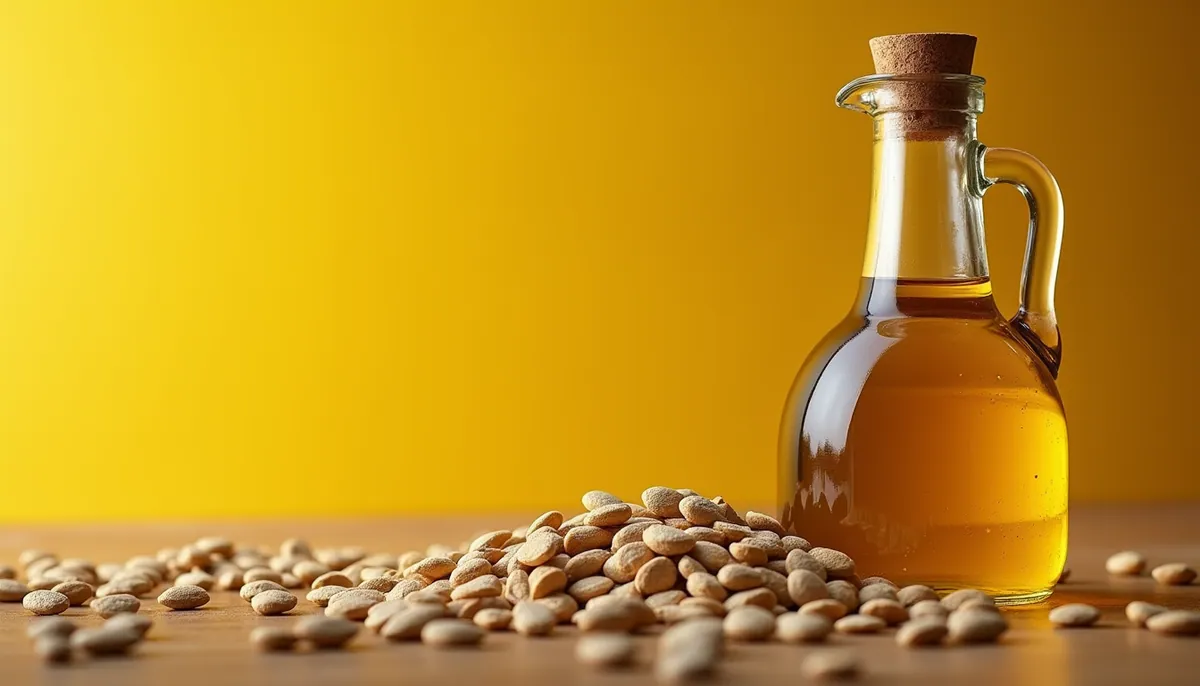
How to Store and Handle Refined Sunflower Oil
Proper storage and handling of refined sunflower oil are essential to maintain its quality and extend shelf life. Here are some tips:
- Keep it in a cool, dark place: Exposure to heat and light can degrade the oil and cause rancidity.
- Use airtight containers: Oxygen accelerates oxidation, so sealed containers help preserve freshness.
- Avoid contamination: Use clean utensils and avoid mixing old oil with fresh batches.
- Monitor shelf life: Although refined sunflower oil has a longer shelf life than unrefined oil, it is best used within 12 months of production.
- Check for signs of spoilage: Off smells, discoloration, or cloudiness indicate the oil may have gone bad.
For wholesale buyers and manufacturers, ensuring proper storage conditions during transportation and warehousing is critical to delivering premium quality refined sunflower oil for cooking.
Why Choose Refined Sunflower Oil for Your Business?
Refined sunflower oil offers several advantages for businesses involved in food production and distribution:
- Consistency: The refining process ensures uniform quality and performance, which is vital for large-scale operations.
- Safety: High smoke point reduces the risk of harmful compounds forming during cooking.
- Versatility: Suitable for a wide range of food products, from fried snacks to baked goods.
- Cost-Effectiveness: Its stability and long shelf life reduce waste and improve profitability.
- Global Availability: Sourcing from reliable suppliers ensures steady supply chains.
By choosing refined sunflower oil for cooking, businesses can meet diverse culinary needs while maintaining high standards of quality and safety.
Final Thoughts on Using Refined Sunflower Oil in Cooking
Incorporating refined sunflower oil into your cooking processes offers practical benefits and flexibility. Its neutral flavor, high smoke point, and nutritional value make it a valuable ingredient for frying, baking, sautéing, and more. Understanding the differences between refined and unrefined oils helps in selecting the right product for your needs.
For wholesale buyers, manufacturers, and distributors, sourcing premium refined sunflower oil is a strategic decision that supports product quality and customer satisfaction. Proper storage and handling further ensure that the oil retains its desirable properties throughout the supply chain.
By leveraging the advantages of refined sunflower oil, businesses can enhance their culinary offerings and meet the demands of diverse markets efficiently.
Ordering this grade in volume
If this oil suits your process, we can supply bulk refined sunflower oil in the packing format your plant prefers. Buyers running their own refinery usually ask about crude sunflower oil feedstock instead.
Nutrition Facts Sunflower Oil covers neighbouring ground. See also Refined Sunflower Oil.
If you need a figure to work with, request an offer from us with your target quantity and Incoterm.
Related reading

Advantages of Refined Sunflower Oil Use in Cooking
Refined sunflower oil has become a popular choice in kitchens worldwide. Its versatility and health benefits make it an excellent option for various cooking met…
Understanding Refined Sunflower Cooking Oil
Refined sunflower cooking oil is a popular choice in kitchens worldwide due to its light flavor and high smoke point. It is extracted from sunflower seeds and t…

Cooking with Sunflower Oil: A Practical Guide for Industry Professionals
Cooking oils play a crucial role in food production and preparation. Choosing the right oil affects not only the taste and texture of the final product but also…