
Advantages of Refined Sunflower Oil Use in Cooking

Refined sunflower oil has become a popular choice in kitchens worldwide. Its versatility and health benefits make it an excellent option for various cooking methods. As someone who works closely with suppliers and manufacturers, I have seen firsthand how refined sunflower oil use can enhance food quality and meet the demands of large-scale production. In this post, I will share the key advantages of refined sunflower oil in cooking, helping you understand why it is a preferred oil for many businesses.
Benefits of Refined Sunflower Oil Use in Food Preparation
Refined sunflower oil offers several benefits that make it ideal for cooking. One of the main advantages is its high smoke point, which means it can withstand high temperatures without breaking down. This property is essential for frying, sautéing, and baking, where oils are exposed to heat for extended periods.
Another benefit is its neutral flavor. Unlike some oils that have strong tastes, refined sunflower oil does not overpower the natural flavors of food. This makes it suitable for a wide range of dishes, from salads to deep-fried snacks.
Additionally, refined sunflower oil is light in color and texture, which helps maintain the appearance and mouthfeel of cooked food. It does not leave a greasy residue, making it a preferred choice for manufacturers aiming for high-quality finished products.
- High smoke point (around 450°F or 232°C)
- Neutral taste that complements various recipes
- Light texture that enhances food presentation
Refined sunflower oil is clear and light, ideal for cooking at high temperatures.
What is the difference between refined sunflower oil and normal sunflower oil?
Understanding the difference between refined sunflower oil and normal (or unrefined) sunflower oil is crucial for making informed purchasing decisions. Normal sunflower oil is extracted through cold pressing or expeller pressing methods. It retains more natural flavors, color, and nutrients but has a lower smoke point and shorter shelf life.
Refined sunflower oil undergoes additional processing steps such as bleaching, deodorizing, and filtering. These processes remove impurities, free fatty acids, and any strong odors. The result is a more stable oil with a longer shelf life and better performance in cooking.
Here are the main differences:
| Feature | Normal Sunflower Oil | Refined Sunflower Oil |
|–––––––––––––|—————————––|––––––––––––––––|
| Extraction Method | Cold pressed or expeller pressed | Chemical or physical refining |
| Flavor | Strong, nutty | Neutral, mild |
| Smoke Point | Lower (around 225°F or 107°C) | Higher (around 450°F or 232°C) |
| Shelf Life | Shorter | Longer |
| Appearance | Cloudy or yellowish | Clear and light |
For large-scale cooking and manufacturing, refined sunflower oil is often preferred due to its stability and neutral taste.

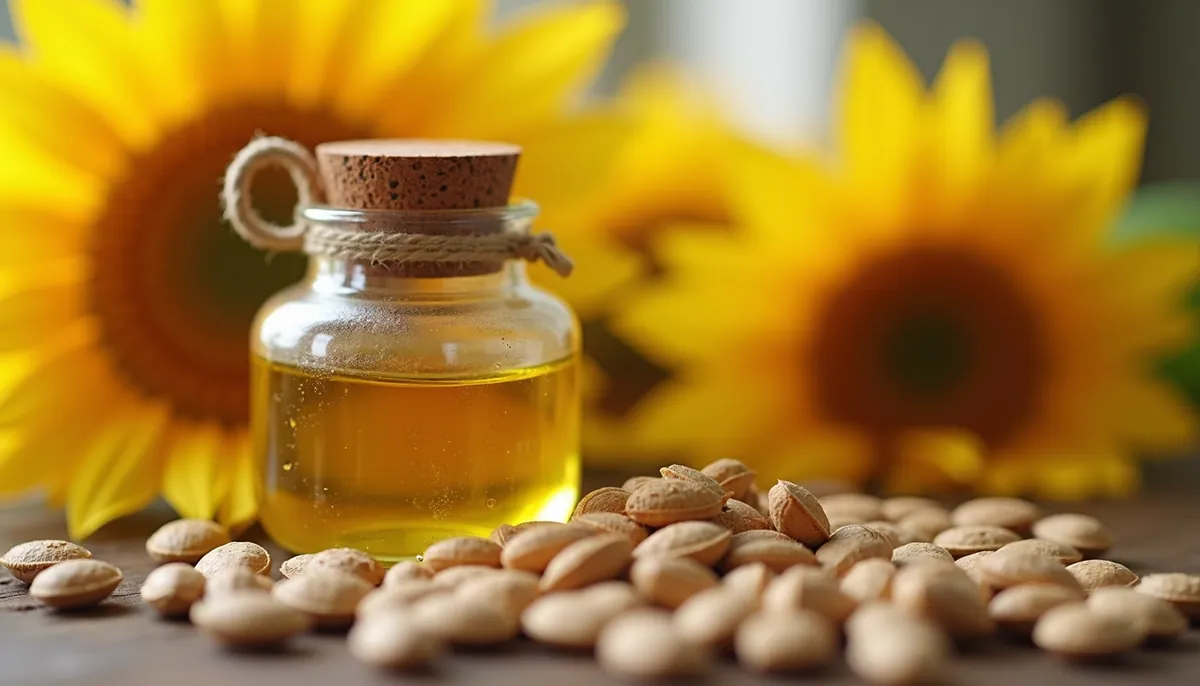
Sunflower seeds and refined sunflower oil showing the raw material and finished product.
Nutritional Advantages of Refined Sunflower Oil
Refined sunflower oil is not only practical but also offers nutritional benefits. It is rich in polyunsaturated fats, particularly linoleic acid, which is essential for heart health. These fats help reduce bad cholesterol levels and support overall cardiovascular function.
Moreover, refined sunflower oil contains vitamin E, a powerful antioxidant that protects cells from damage. Although some vitamin E is lost during refining, the oil still retains a significant amount.
It is important to note that refined sunflower oil is low in saturated fats, making it a healthier alternative to animal fats and some other cooking oils. This profile aligns well with current dietary recommendations for reducing saturated fat intake.
Key nutritional points:
- High in polyunsaturated fats (linoleic acid)
- Contains vitamin E antioxidants
- Low in saturated fats
Using refined sunflower oil for cooking can contribute to healthier food products without compromising taste or texture.
Practical Applications of Refined Sunflower Oil in the Food Industry
Refined sunflower oil is widely used in various sectors of the food industry. Its properties make it suitable for:
- Frying and deep-frying: The high smoke point ensures the oil remains stable and does not produce harmful compounds.
- Baking: It adds moisture and tenderness to baked goods without altering flavor.
- Salad dressings and sauces: Its neutral taste allows other ingredients to shine.
- Snack production: Chips, crackers, and other snacks benefit from its light texture and crisp finish.
- Ready-to-eat meals: It helps maintain product quality during processing and storage.
For wholesale buyers and manufacturers, refined sunflower oil offers consistency and reliability. It supports large-scale production by providing a stable cooking medium that meets food safety standards.
When sourcing refined sunflower oil, consider factors such as:
- Purity and quality certifications
- Packaging options for bulk or retail use
- Supplier reliability and delivery times
These considerations ensure smooth operations and high-quality end products.
Environmental and Economic Benefits of Using Refined Sunflower Oil
Choosing refined sunflower oil also has environmental and economic advantages. Sunflowers are a renewable crop that can be grown in various climates, including Ukraine, a major global producer. This availability supports sustainable sourcing and reduces dependency on less eco-friendly oils.
Economically, refined sunflower oil is cost-effective due to its long shelf life and versatility. It reduces waste by maintaining quality over time and minimizing the need for frequent oil replacement in cooking processes.
Additionally, the refining process improves oil stability, which means less oil is absorbed by food during frying. This efficiency translates into cost savings for manufacturers and distributors.
By opting for refined sunflower oil, businesses can align with sustainability goals while optimizing production costs.
Final Thoughts on Refined Sunflower Oil Use in Cooking
In summary, refined sunflower oil offers numerous advantages for cooking and food manufacturing. Its high smoke point, neutral flavor, and nutritional benefits make it a versatile and healthy choice. The difference between refined and normal sunflower oil highlights why refining is essential for large-scale food production.
For those involved in wholesale buying, manufacturing, or distribution, refined sunflower oil provides a reliable and cost-effective solution. It supports diverse culinary applications and meets the demands of modern food industries.
If you want to explore more about refined sunflower oil for cooking, consider connecting with trusted suppliers who specialize in premium Ukrainian refined sunflower oil. This approach ensures access to high-quality products that enhance your food offerings and business success.

Commercial kitchen environment showcasing refined sunflower oil bottles ready for use.
Buying this oil in bulk
Kitchens and food plants buying at volume take refined sunflower oil in bulk from us in flexitank, drum, IBC or PET. We can also quote sunflower oil from Ukraine on the same shipment terms.
Why Refined Sunflower Oil is the Ultimate Choice for Healthy Living covers a related property of the oil. See also Cooking with Sunflower Oil.
Send your volume, packing format and destination port, or simply send us your requirement.
Related reading

Cooking with Sunflower Oil: Using Refined Sunflower Oil in Cooking
Refined sunflower oil is a popular choice in many kitchens and food production facilities worldwide. Its neutral flavor, high smoke point, and versatility make …
Understanding Refined Sunflower Cooking Oil
Refined sunflower cooking oil is a popular choice in kitchens worldwide due to its light flavor and high smoke point. It is extracted from sunflower seeds and t…
Refined Sunflower Oil Production Process: A Comprehensive Overview
Refined sunflower oil is a staple in many industries, valued for its light taste, high smoke point, and nutritional benefits. Understanding the sunflower oil pr…