
The Benefits of Neutral Flavor Oils in Cooking and Food Production
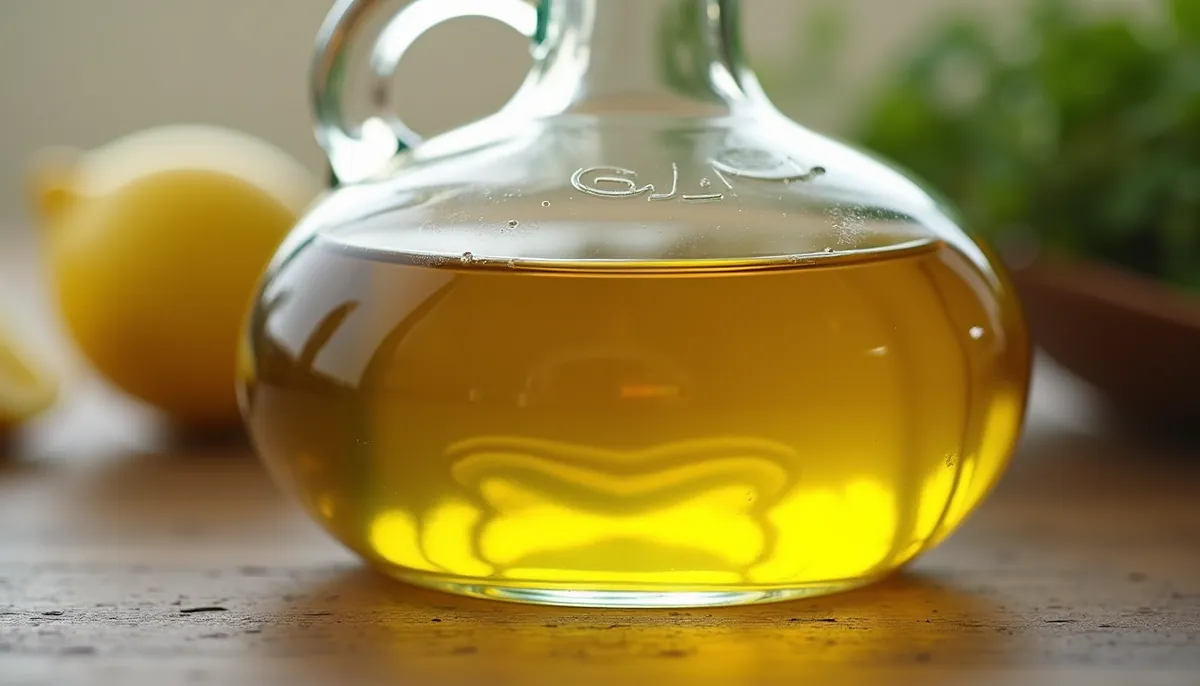
When selecting oils for cooking or food manufacturing, the choice of oil can significantly impact the final product’s taste, texture, and versatility. Neutral flavor oils have become a preferred option for many businesses due to their subtle taste and wide range of applications. In this post, I will explore the benefits of neutral flavor oils, focusing on their practical uses, advantages, and why they are essential for wholesale buyers, manufacturers, and distributors.
Understanding Neutral Flavor Oils and Their Advantages
Neutral flavor oils are refined oils that have little to no taste or aroma. This characteristic makes them ideal for cooking and food production where the oil should not overpower the other ingredients. These oils are typically extracted from sources like sunflower, canola, safflower, or refined vegetable oils.
The key advantages of neutral flavor oils include:
- Versatility: They can be used in frying, baking, sautéing, and salad dressings without altering the flavor profile.
- High Smoke Point: Many neutral oils have a high smoke point, making them suitable for high-temperature cooking.
- Long Shelf Life: Refined neutral oils tend to have a longer shelf life due to the removal of impurities.
- Consistency: They provide consistent quality and performance, which is crucial for large-scale food production.
These benefits make neutral flavor oils a reliable choice for manufacturers and distributors who require a stable and adaptable ingredient.
Why Neutral Flavor Oils Are Essential for Food Manufacturers
Food manufacturers often need oils that do not interfere with the taste or appearance of their products. Neutral flavor oils meet this requirement perfectly. For example, in baked goods, a neutral oil will not compete with the flavors of vanilla, chocolate, or spices. In fried snacks, it ensures the natural taste of the food shines through without any oily aftertaste.
Additionally, neutral oils are preferred in the production of sauces, dressings, and mayonnaise because they blend well without changing the intended flavor. Their clear color also helps maintain the visual appeal of the product.
From a manufacturing perspective, neutral flavor oils offer:
- Cost-effectiveness: Bulk purchasing of refined neutral oils can reduce costs.
- Scalability: Suitable for both small batch and large-scale production.
- Regulatory Compliance: Many neutral oils meet international food safety standards.
These factors contribute to smoother production processes and better product quality.
What is a neutral tasting oil substitute?
In some cases, manufacturers or buyers may seek alternatives to traditional neutral oils due to availability, cost, or specific dietary requirements. A neutral tasting oil substitute is any oil that mimics the flavorless and odorless qualities of neutral oils but may come from different sources or processing methods.
Common substitutes include:
- Refined avocado oil - Mild flavor and high smoke point.
- Refined grapeseed oil - Light taste and good for frying.
- Refined rice bran oil - Neutral flavor with added nutritional benefits.
When choosing a substitute, it is important to consider the oil’s smoke point, fatty acid profile, and how it interacts with other ingredients. Testing the substitute in small batches can help ensure it meets the product’s quality standards.
Practical Tips for Using Neutral Flavor Cooking Oils in Bulk
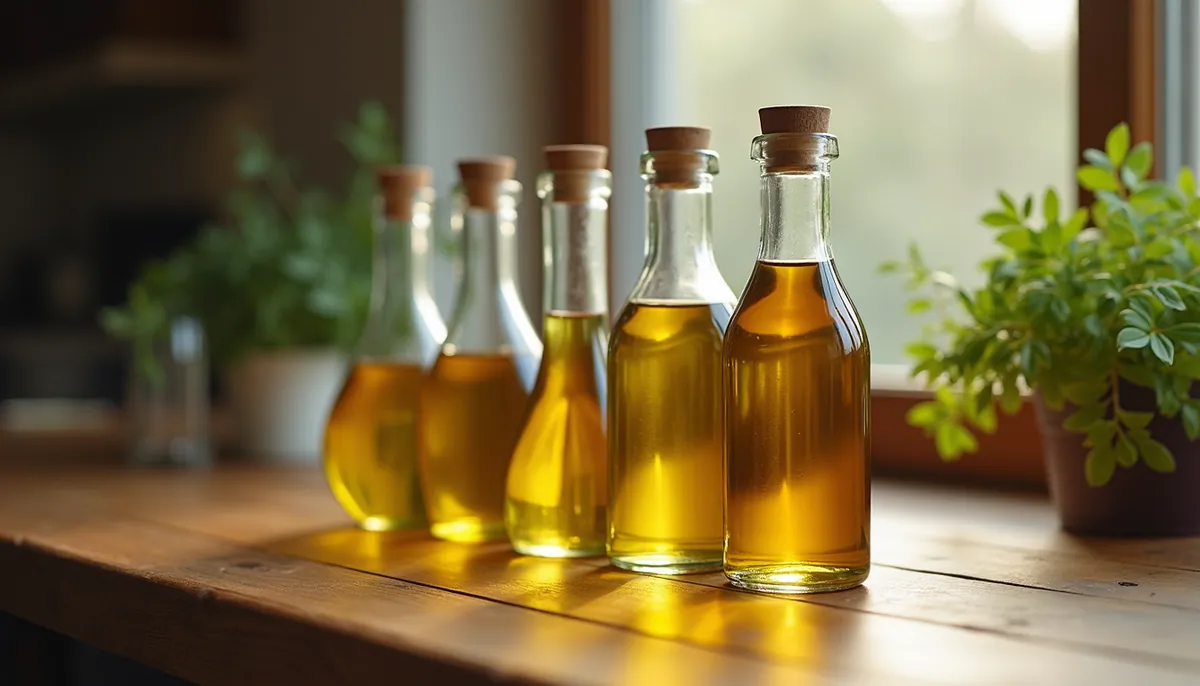
For wholesale buyers and distributors, handling neutral flavor cooking oils efficiently is crucial. Here are some practical tips to maximize the benefits:
- Storage: Keep oils in a cool, dark place to prevent oxidation and rancidity.
- Packaging: Use airtight containers to maintain freshness during transport and storage.
- Quality Control: Regularly test oil batches for consistency in flavor, color, and smoke point.
- Supplier Relationships: Work closely with suppliers to ensure timely delivery and compliance with specifications.
- Labeling: Clearly label oils with batch numbers and production dates for traceability.
By following these guidelines, businesses can maintain the quality of neutral flavor cooking oil throughout the supply chain.
Expanding Market Opportunities with Neutral Flavor Oils
The demand for neutral flavor oils is growing globally due to their adaptability and health benefits. As a platform, Refine Sunflower Oil aims to facilitate access to premium Ukrainian refined sunflower oil and other neutral oils.
Expanding the use of neutral flavor oils can open new market opportunities in:
- Foodservice: Restaurants and catering services prefer neutral oils for consistent taste.
- Snack Production: Chips, nuts, and other snacks benefit from neutral oils’ frying properties.
- Baking Industry: Cakes, pastries, and bread require oils that do not alter flavor.
- Health-Conscious Products: Neutral oils with favorable fatty acid profiles appeal to health-focused consumers.
By leveraging the benefits of neutral flavor oils, businesses can enhance product quality and meet diverse industry needs.
Neutral flavor oils offer unmatched versatility and reliability for food production and distribution. Their subtle taste, high smoke point, and consistent quality make them indispensable in various applications. Whether you are sourcing oils for frying, baking, or manufacturing, choosing the right neutral flavor cooking oil can improve your product’s appeal and operational efficiency.
Sourcing this oil for production
For production use rather than retail packs, we supply refined sunflower oil for wholesale buyers by the container load.
There is more on the same choice in Essential Cooking Oils for Every Recipe.
Ask for a current offer and include your required packing format and destination.
Related reading
Neutral Cooking Oils Guide: A Comprehensive Overview
When sourcing cooking oils for large-scale production or distribution, understanding the qualities of neutral cooking oils is essential. These oils offer versat…

Top Benefits of Heat-Resistant Cooking Oils for Industrial Use
When it comes to large-scale food production and distribution, choosing the right cooking oil is crucial. Heat-resistant cooking oils play a vital role in ensur…
Oil Smoke Points: Smoke and Flash Point Chart for 45 Oils and Grades
A cited cooking oil smoke point chart covering 22 oils and fats across 45 grades and refinement states, with flash points where published, the AOCS method behin…