
Unveiling the Health Benefits of Sunflower Oil
Sunflower oil is a popular cooking oil known for its light taste and versatility. Extracted from sunflower seeds, this oil has gained attention not only for its culinary uses but also for its potential health advantages. Understanding the health benefits of sunflower oil can help you make informed choices about incorporating it into your diet.
Exploring the Health Benefits of Sunflower Oil
Sunflower oil is rich in essential nutrients and compounds that contribute to overall well-being. One of the key components is vitamin E, a powerful antioxidant that helps protect cells from damage caused by free radicals. This antioxidant property supports skin health and may reduce the risk of chronic diseases.
Additionally, sunflower oil contains a high amount of unsaturated fats, particularly polyunsaturated fatty acids (PUFAs) and monounsaturated fatty acids (MUFAs). These fats are known to promote heart health by lowering bad cholesterol (LDL) levels and increasing good cholesterol (HDL) levels. Regular consumption of sunflower oil can support cardiovascular function and reduce the risk of heart disease.
Sunflower oil also has anti-inflammatory properties, which can help reduce inflammation in the body. This is beneficial for managing conditions such as arthritis and other inflammatory disorders. Moreover, the oil’s light texture makes it an excellent choice for cooking at medium to high temperatures without breaking down and producing harmful compounds.
For those interested in skin care, sunflower oil is often used as a natural moisturizer. Its vitamin E content helps maintain skin hydration and elasticity, making it a popular ingredient in cosmetic products.
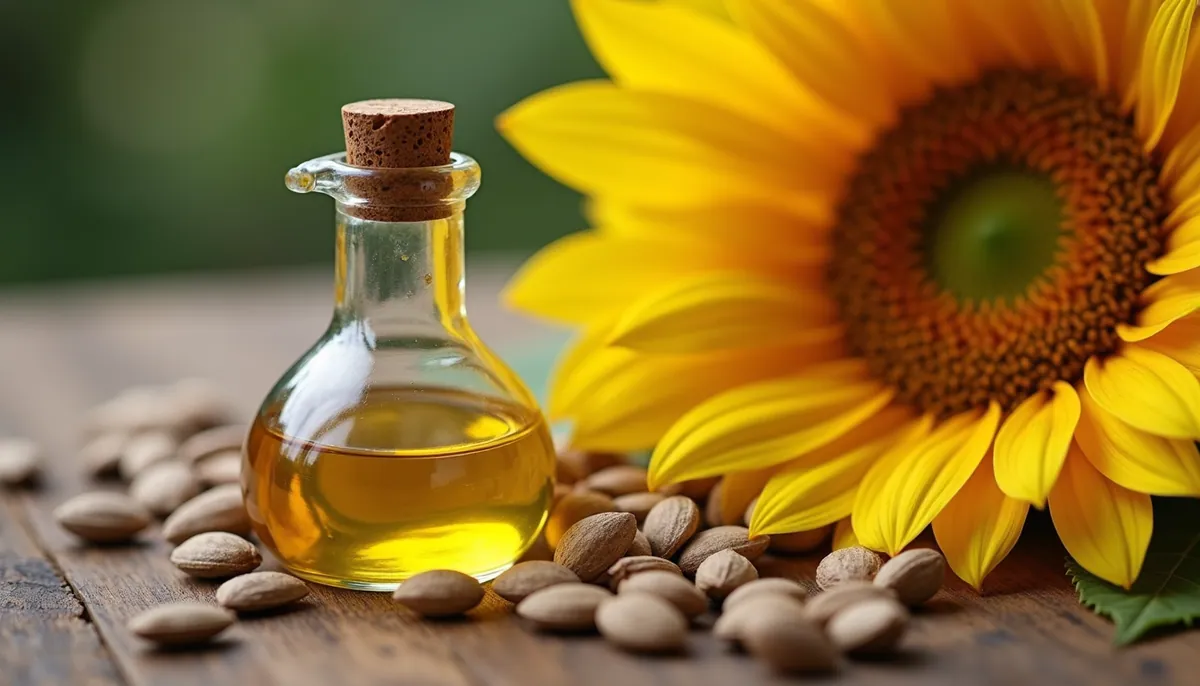
Sunflower seeds and oil bottle close-up
Nutritional Profile and Practical Uses
Sunflower oil is composed mainly of fats, but the type of fat matters significantly. It contains about 60% polyunsaturated fats, 30% monounsaturated fats, and a small percentage of saturated fats. This balance makes it a heart-healthy option compared to oils high in saturated fats.
Here are some practical ways to use sunflower oil in your daily routine:
- Cooking: Ideal for frying, sautéing, and baking due to its high smoke point (around 440°F or 227°C).
- Salad Dressings: Its mild flavor complements fresh vegetables without overpowering them.
- Skin Care: Apply a small amount as a moisturizer or mix with essential oils for a nourishing massage oil.
- Hair Care: Use as a conditioning treatment to add shine and reduce dryness.
When selecting sunflower oil, opt for cold-pressed or unrefined varieties to maximize nutrient retention. Refined oils are more processed and may lose some beneficial compounds.
Is Sunflower Healthier Than Olive Oil?
Comparing sunflower oil to olive oil is common since both are popular cooking oils with health benefits. Olive oil, especially extra virgin olive oil, is renowned for its heart-healthy monounsaturated fats and antioxidants like polyphenols.
Sunflower oil, on the other hand, has a higher content of polyunsaturated fats and vitamin E. This makes it particularly good for skin health and reducing inflammation. However, olive oil has a lower smoke point, which means it is better suited for low to medium heat cooking, while sunflower oil can handle higher temperatures.
Both oils have their place in a balanced diet. If you want to maximize antioxidant intake and enjoy a robust flavor, olive oil is a great choice. For high-heat cooking and a neutral taste, sunflower oil is preferable.
In summary:
- Olive oil: Rich in monounsaturated fats, antioxidants, best for dressings and low-heat cooking.
- Sunflower oil: High in vitamin E and polyunsaturated fats, suitable for high-heat cooking and skin care.
Using both oils in your kitchen can provide a variety of nutrients and culinary options.
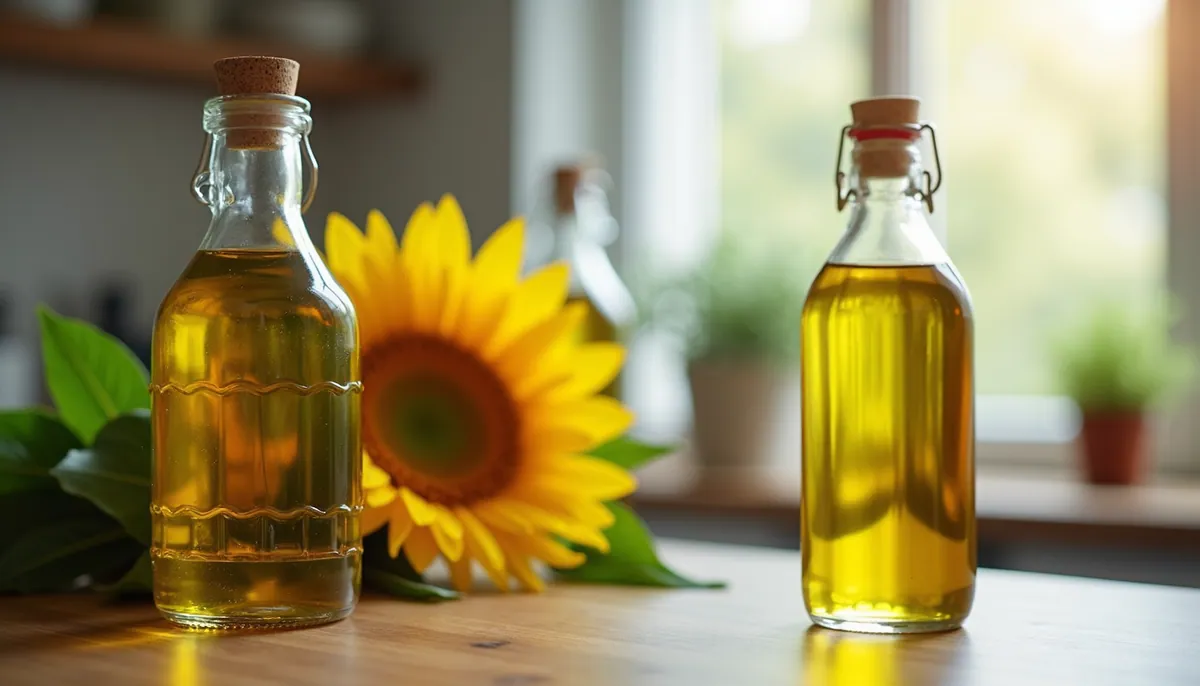
Sunflower and olive oil bottles on kitchen counter
How Sunflower Oil Supports Heart Health
Heart disease remains a leading cause of death worldwide, making dietary choices crucial for prevention. Sunflower oil supports heart health in several ways:
- Cholesterol Management: The unsaturated fats in sunflower oil help reduce LDL cholesterol, which is linked to plaque buildup in arteries.
- Blood Pressure Regulation: Some studies suggest that vitamin E and fatty acids in sunflower oil may help lower blood pressure.
- Anti-Inflammatory Effects: Chronic inflammation contributes to heart disease, and sunflower oil’s anti-inflammatory properties can help mitigate this risk.
To incorporate sunflower oil for heart health, consider replacing saturated fats like butter or lard with sunflower oil in cooking. For example, use sunflower oil when frying eggs or roasting vegetables.
It is important to maintain a balanced diet rich in fruits, vegetables, whole grains, and lean proteins alongside healthy oils for optimal cardiovascular benefits.
Tips for Choosing and Storing Sunflower Oil
To get the most out of sunflower oil benefits, selecting the right product and storing it properly is essential.
- Choose Cold-Pressed or Unrefined: These types retain more nutrients and antioxidants.
- Check the Label: Look for oils with no added preservatives or chemicals.
- Storage: Keep sunflower oil in a cool, dark place away from heat and sunlight to prevent oxidation.
- Use Within Shelf Life: Fresh oil tastes better and retains more health benefits.
Avoid reusing sunflower oil multiple times for frying, as this can degrade the oil and produce harmful compounds.
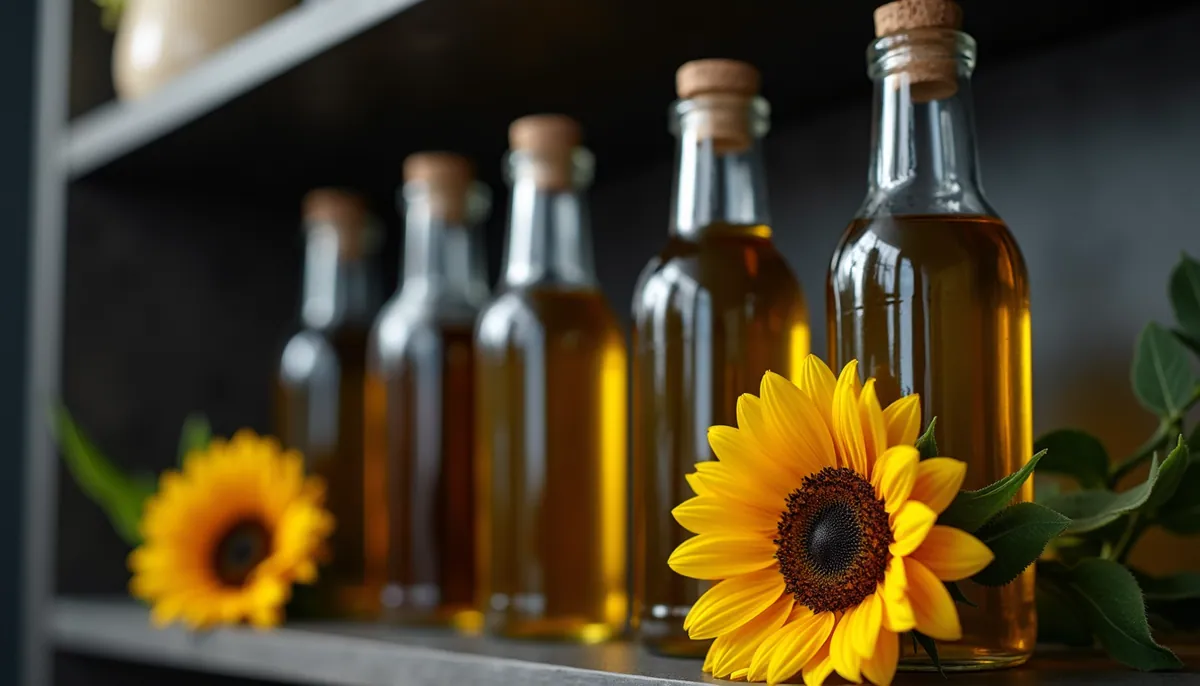
Sunflower oil bottles stored in kitchen cabinet
Incorporating Sunflower Oil Into Your Diet
Adding sunflower oil to your diet can be simple and delicious. Here are some actionable recommendations:
- Salad Dressings: Mix sunflower oil with lemon juice, salt, and pepper for a light dressing.
- Roasting Vegetables: Toss vegetables in sunflower oil before roasting for a crispy texture.
- Baking: Substitute butter or margarine with sunflower oil in recipes for muffins or cakes.
- Smoothies: Add a teaspoon of sunflower oil to smoothies for a dose of healthy fats.
Remember to use sunflower oil in moderation as part of a balanced diet. For those with specific health conditions, consulting a healthcare provider before making significant dietary changes is advisable.
For more detailed information on sunflower oil benefits, you can explore trusted sources and product options.
Embracing Sunflower Oil for a Healthier Lifestyle
Sunflower oil offers a range of health benefits that make it a valuable addition to your kitchen and wellness routine. From supporting heart health to enhancing skin care, its versatility and nutritional profile stand out among cooking oils.
By choosing high-quality sunflower oil and using it thoughtfully, you can enjoy its benefits while adding flavor and nutrition to your meals. Whether you are frying, baking, or dressing a salad, sunflower oil is a smart choice for those seeking a healthier lifestyle.
Explore the possibilities and make sunflower oil a part of your daily health journey.
Supply for food manufacturers
We have supplied refined sunflower oil in bulk to manufacturers and blenders since 2000, quoting FOB or CIF under Incoterms 2020. Bulk refined olive oil can go on the same booking.
Boost Your Health with Sunflower Oil is worth reading alongside this.
Give us a port and a volume and we will quote it: send us the details.
Related reading
Discover the Sunflower Oil Advantages: A Guide to Its Health Benefits
Sunflower oil is a popular cooking oil known for its light taste and high smoke point. Beyond its culinary uses, it offers numerous health benefits that make it…

Refined Sunflower Oil Benefits: Understanding Refining and Its Impact
Sunflower oil is a popular choice in many industries due to its light taste and high smoke point. However, the oil you find on the market is often refined to me…

Refined Sunflower Oil: Benefits and Uses
Refined sunflower oil is a versatile and widely used cooking oil that has gained popularity in various industries. Its neutral flavor, high smoke point, and hea…