
Neutral Tasting Oils: Essential Cooking Oils for Every Recipe
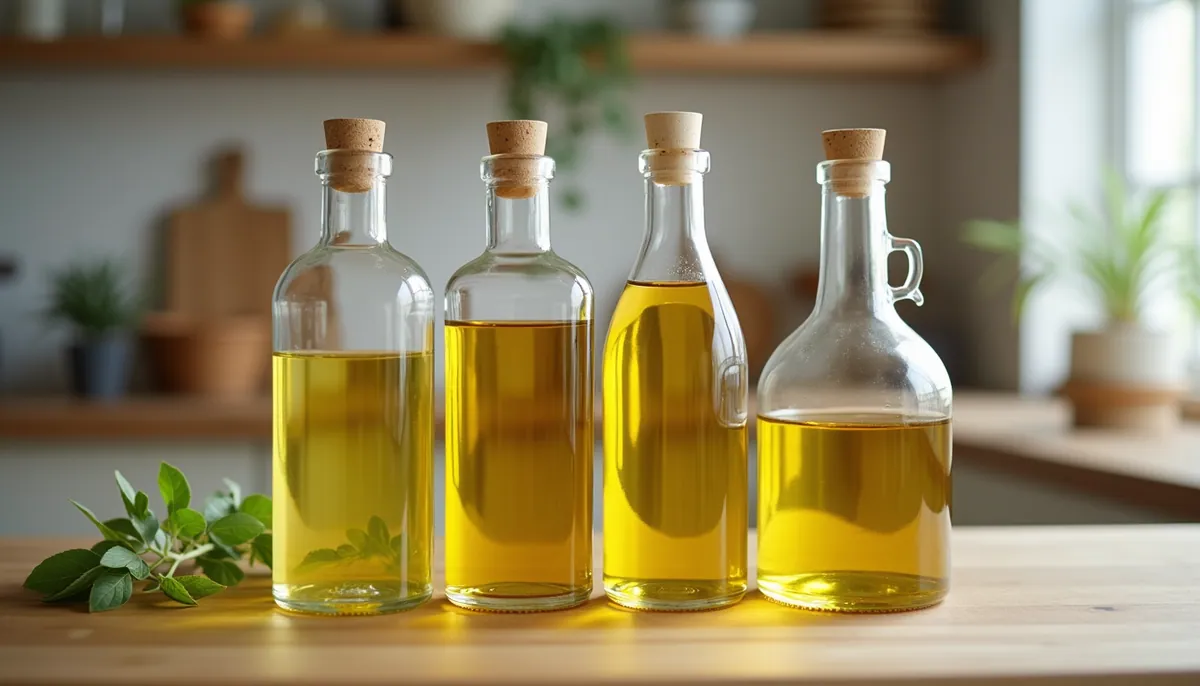
When selecting cooking oils, the flavor profile plays a crucial role in the final taste of a dish. For many recipes, especially those requiring subtlety or versatility, neutral tasting oils are the preferred choice. These oils do not overpower the natural flavors of ingredients, making them ideal for a wide range of culinary applications. In this post, I will explore the benefits, types, and uses of neutral tasting oils, helping you make informed decisions for your sourcing and manufacturing needs.
Understanding Neutral Tasting Oils and Their Importance
Neutral tasting oils are oils that have little to no distinct flavor or aroma. This characteristic allows them to blend seamlessly into recipes without altering the intended taste. For wholesale buyers, manufacturers, and distributors, understanding the value of these oils is essential. They provide flexibility in product development and ensure consistency across various food products.
Some key advantages of neutral tasting oils include:
- Versatility: Suitable for frying, baking, sautéing, and salad dressings.
- High smoke points: Many neutral oils can withstand high temperatures without breaking down.
- Shelf stability: Refined neutral oils often have longer shelf lives.
- Compatibility: They work well with spices, herbs, and other flavorings without interference.
These qualities make neutral tasting oils a staple in commercial kitchens and food production lines.
Popular Neutral Tasting Oils for Culinary Use
Several oils fit the profile of neutral tasting oils. Each has unique properties that make it suitable for different applications. Here are some of the most commonly used neutral oils:
Refined Sunflower Oil
Refined sunflower oil is one of the most popular neutral oils. It has a light texture and a high smoke point, making it excellent for frying and baking. Its mild flavor does not interfere with the taste of dishes, which is why it is widely used in food manufacturing.
Canola Oil
Canola oil is another versatile neutral oil. It contains a good balance of omega-3 and omega-6 fatty acids and has a clean taste. Its affordability and availability make it a favorite among bulk buyers.
Safflower Oil
Safflower oil is prized for its light flavor and high smoke point. It is often used in salad dressings and frying applications where a neutral taste is desired.
Grapeseed Oil
Grapeseed oil has a subtle flavor and is rich in antioxidants. It is ideal for sautéing and making emulsions like mayonnaise or vinaigrettes.
Refined Coconut Oil
Unlike virgin coconut oil, refined coconut oil has a neutral flavor and aroma. It is suitable for cooking at higher temperatures without imparting a coconut taste.
Each of these oils offers specific benefits depending on the recipe and processing requirements.
What is a neutral tasting oil substitute?
In some cases, manufacturers or chefs may need to replace a neutral tasting oil with another option due to availability, cost, or dietary considerations. A neutral tasting oil substitute is an alternative oil that mimics the flavorless and functional properties of the original oil.
For example, if sunflower oil is unavailable, canola or safflower oil can serve as effective substitutes. When selecting a substitute, consider:
- Smoke point: Ensure the substitute can handle the cooking temperature.
- Fat composition: Match the nutritional profile if relevant.
- Flavor neutrality: The substitute should not add unwanted taste.
Using a neutral tasting oil substitute allows for flexibility in production without compromising the quality or flavor of the final product.

How to Choose the Right Neutral Tasting Oil for Your Needs
Choosing the right neutral tasting oil depends on several factors related to your specific application. Here are some practical considerations:
- Cooking Method
- For high-heat frying or deep-frying, select oils with a high smoke point like refined sunflower or safflower oil.
- For baking or light sautéing, canola or grapeseed oil may be more suitable.
- Nutritional Profile
- If health claims are important, consider oils with favorable fatty acid profiles, such as canola oil with its omega-3 content.
- Cost and Availability
- Bulk buyers should evaluate the cost-effectiveness and supply stability of the oil. Refined sunflower oil sourced from Ukraine is known for its quality and competitive pricing.
- Shelf Life and Storage
- Refined oils generally have longer shelf lives. Ensure proper storage conditions to maintain oil quality.
- Regulatory Compliance
- Verify that the oil meets food safety and quality standards relevant to your market.
By carefully assessing these factors, you can select a neutral tasting oil that aligns with your production goals and customer expectations.
Practical Applications of Neutral Tasting Oils in Food Production
Neutral tasting oils are indispensable in various food manufacturing processes. Here are some common applications:
- Frying and Deep-Frying: Their high smoke points prevent breakdown and off-flavors during frying.
- Baking: Neutral oils provide moisture and texture without altering the taste of baked goods.
- Salad Dressings and Sauces: They act as carriers for herbs and spices, allowing the intended flavors to shine.
- Processed Foods: Used in snacks, margarine, and ready-to-eat meals for consistent texture and flavor neutrality.
- Cosmetic and Pharmaceutical Products: Some neutral oils are also used as carriers in non-food industries.
Understanding these applications helps in selecting the right oil and optimizing product quality.
Final Thoughts on Neutral Tasting Oils for Every Recipe
Selecting the appropriate neutral tasting oil is a strategic decision that impacts product quality, flavor, and cost-efficiency. Whether you are sourcing refined sunflower oil or exploring alternatives like canola or grapeseed oil, the key is to prioritize oils that maintain the integrity of your recipes.
For those looking to source premium options, neutral flavor cooking oil offers a reliable and high-quality choice. Its versatility and mild taste make it a cornerstone ingredient in many culinary and industrial applications.
By understanding the characteristics and uses of neutral tasting oils, you can enhance your product offerings and meet the diverse needs of your customers effectively.
Supply for food manufacturers
We have supplied refined sunflower oil for export to manufacturers and blenders since 2000, quoting FOB or CIF under Incoterms 2020. Ask us about refined rapeseed oil if that fits your blend better.
Neutral Cooking Oils Guide: A Comprehensive Overview is worth reading alongside this. See also The Benefits of Neutral Flavor Oils in Cooking and Food Production.
If you need a figure to work with, get in touch with our export desk with your target quantity and Incoterm.
Related reading
Oil Smoke Points: Smoke and Flash Point Chart for 45 Oils and Grades
A cited cooking oil smoke point chart covering 22 oils and fats across 45 grades and refinement states, with flash points where published, the AOCS method behin…

Choosing the Right Best High-Heat Cooking Oils for Your Needs
Selecting the right cooking oil is essential for achieving the best results in food preparation, especially when cooking at high temperatures. Oils with a high …

Top Benefits of Heat-Resistant Cooking Oils for Industrial Use
When it comes to large-scale food production and distribution, choosing the right cooking oil is crucial. Heat-resistant cooking oils play a vital role in ensur…