
Exploring the Features of Refined Sunflower Oil Product
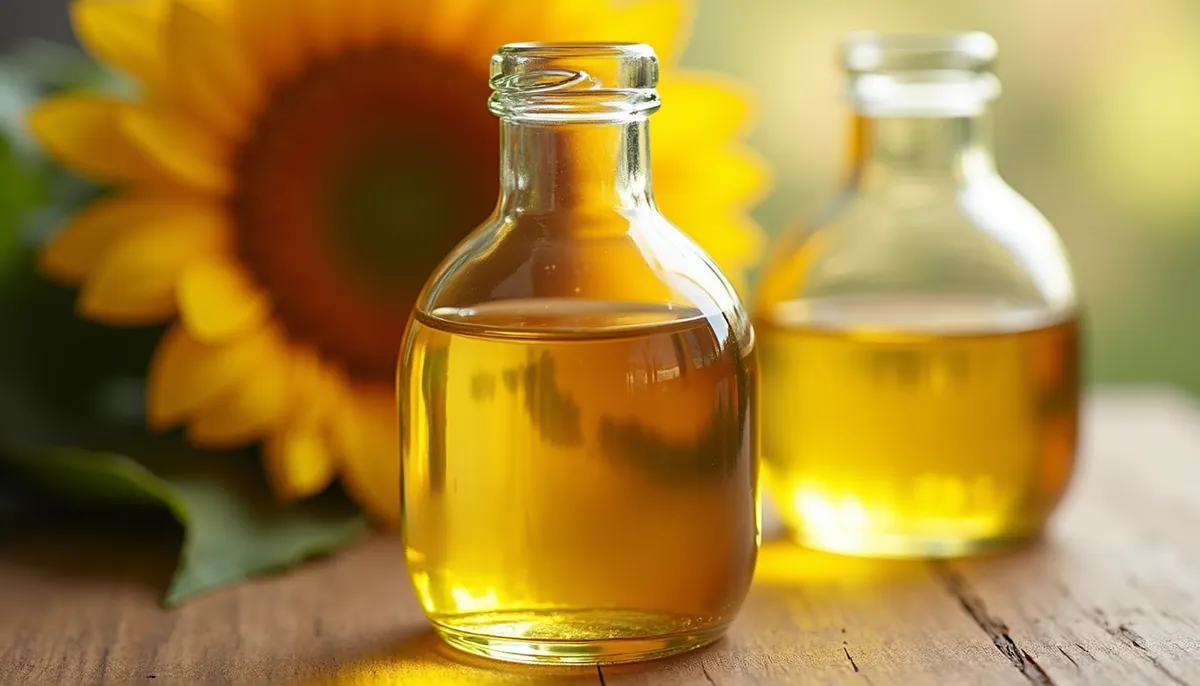
Refined sunflower oil is a staple in many industries, especially for wholesale buyers, manufacturers, and distributors looking for a reliable and versatile cooking oil. This oil is extracted from sunflower seeds and then refined to remove impurities, resulting in a product that is clear, light in color, and neutral in flavor. Its qualities make it suitable for various applications, from food production to cosmetics and pharmaceuticals.
In this post, I will explore the key features of the refined sunflower oil product, highlighting its production process, benefits, and uses. I will also discuss its health aspects and provide practical insights for those interested in sourcing this oil for their business needs.
Understanding the Refined Sunflower Oil Product
The refined sunflower oil product undergoes a detailed process to ensure quality and consistency. The refining process typically includes degumming, neutralization, bleaching, and deodorization. These steps remove phospholipids, free fatty acids, pigments, and odors, resulting in a stable oil with a long shelf life.
This oil is characterized by:
- Light color and clear appearance: Ideal for products where color clarity is important.
- Neutral taste and aroma: It does not overpower the flavor of food or other products.
- High smoke point: Suitable for frying and high-temperature cooking.
- Long shelf life: Due to the removal of impurities and antioxidants.
For wholesale buyers and manufacturers, these features translate into a versatile ingredient that can be used in a wide range of products without compromising quality.
Production Process and Quality Control of Refined Sunflower Oil Product
The production of refined sunflower oil product starts with the selection of high-quality sunflower seeds. These seeds are cleaned and pressed to extract crude oil. The crude oil then undergoes refining to improve its quality and stability.
Key steps in the refining process include:
- Degumming: Removing gums and phospholipids that can affect oil stability.
- Neutralization: Eliminating free fatty acids to reduce acidity.
- Bleaching: Using bleaching earth or activated carbon to remove pigments.
- Deodorization: Steam distillation to remove volatile compounds and odors.
Quality control is critical at every stage. Parameters such as acidity, peroxide value, color, and moisture content are monitored to ensure the oil meets industry standards. This rigorous process guarantees a product that is consistent and reliable for industrial use.
Is refined sunflower oil healthy?
When considering the health aspects of refined sunflower oil, it is important to understand its composition. Refined sunflower oil is rich in polyunsaturated fatty acids, particularly linoleic acid, which is beneficial for heart health. It also contains vitamin E, an antioxidant that supports skin health and immune function.
However, the refining process reduces some of the natural nutrients found in crude sunflower oil. Despite this, the oil remains a healthy option for cooking due to its low saturated fat content and high smoke point, which helps prevent the formation of harmful compounds during frying.
For manufacturers and distributors, refined sunflower oil offers a balance between health benefits and functional properties, making it a preferred choice in food production.
Applications and Uses of Refined Sunflower Oil Product
The refined sunflower oil product is highly versatile and finds applications across various industries:
- Food Industry: Used for frying, baking, salad dressings, and margarine production due to its neutral flavor and high smoke point.
- Cosmetics: Incorporated in skincare products for its moisturizing properties and vitamin E content.
- Pharmaceuticals: Used as a carrier oil in medicinal formulations.
- Industrial Uses: Employed in the production of biofuels and lubricants.
Its adaptability makes it an attractive option for businesses looking to source a multi-purpose oil that meets diverse industry requirements.
Tips for Sourcing Quality Refined Sunflower Oil
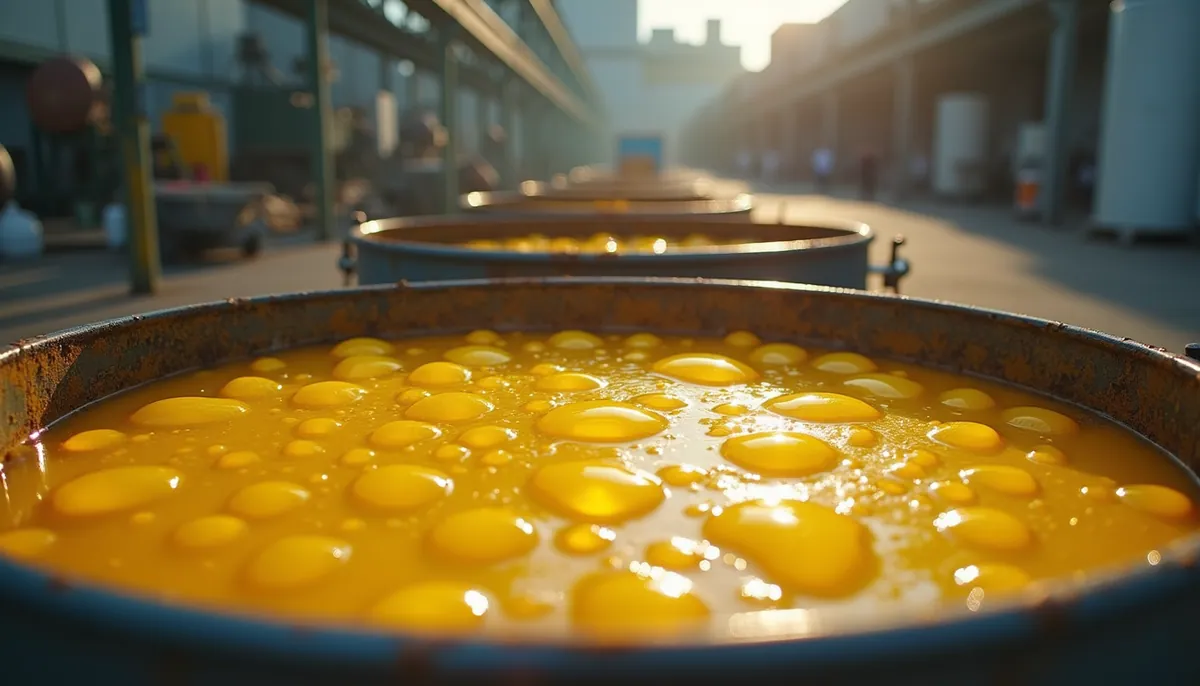
When sourcing refined sunflower oil, it is essential to consider several factors to ensure you receive a premium product:
- Supplier Reputation: Choose suppliers with a proven track record in quality and reliability.
- Certifications: Look for oils that meet international quality standards such as ISO, HACCP, or GMP.
- Packaging: Ensure the oil is stored in appropriate containers that protect it from light and air.
- Sample Testing: Request samples for laboratory analysis to verify quality parameters.
- Logistics and Delivery: Confirm that the supplier can meet your volume requirements and delivery timelines.
By following these guidelines, you can secure a refined sunflower oil product that aligns with your business needs and quality expectations.
Expanding Opportunities with Refined Sunflower Oil Product
The global demand for refined sunflower oil continues to grow, driven by its health benefits and industrial versatility. For businesses involved in wholesale, manufacturing, or distribution, partnering with reliable suppliers is key to capitalizing on this trend.
Platforms like Refine Sunflower Oil provide access to premium Ukrainian refined sunflower oil, connecting buyers with top manufacturers. This connection supports the expansion of product lines and entry into new markets.
By understanding the features and benefits of refined sunflower oil, businesses can make informed decisions that enhance their product offerings and meet consumer demands effectively.
Bulk supply and next steps
Buyers comparing suppliers can contract refined sunflower oil for export from us with full export documentation on every shipment. If you refine in-house, crude sunflower oil from Ukraine is the grade to ask for.
There is more on the sourcing process in Breaking Down the Refined Sunflower Oil Process.
With a destination port and a volume we can quote the same week — ask us to quote it. There is more on about our export company elsewhere on the site.
Related reading

Exploring Refined Sunflower Oil Uses: A Comprehensive Guide for Wholesale Buyers and Manufacturers
Refined sunflower oil is a versatile and widely used cooking oil that has gained significant attention in the global market. Its neutral flavor, high smoke poin…
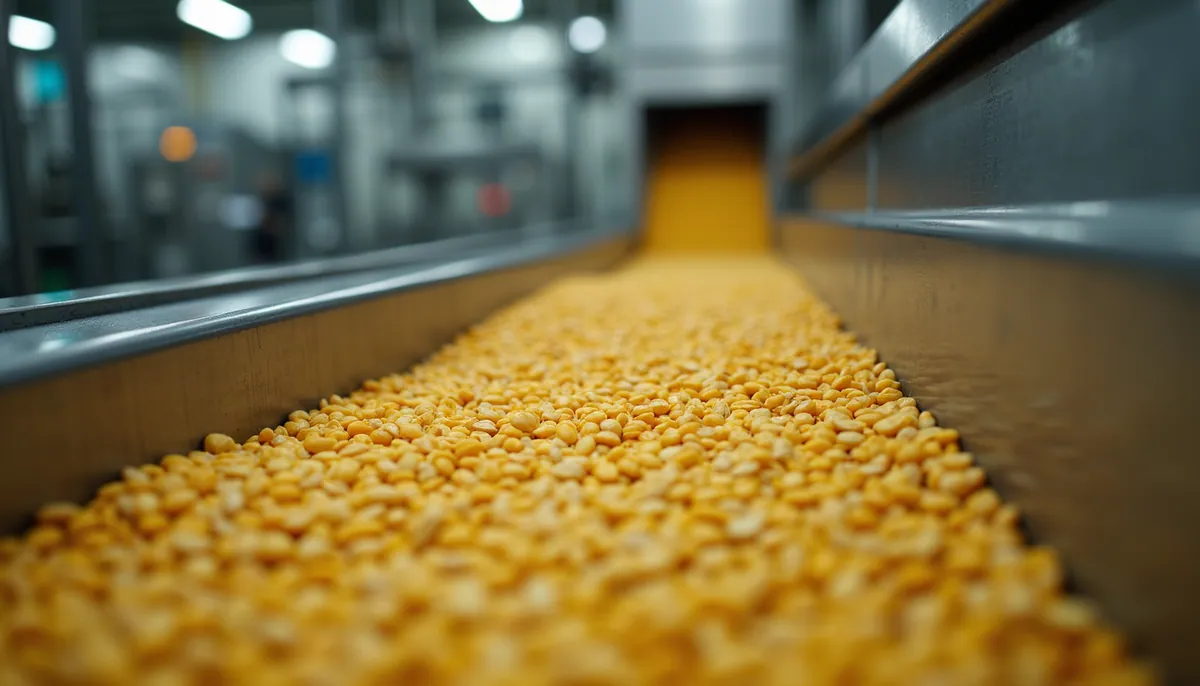
Refined Sunflower Oil Production Process: A Comprehensive Overview
Refined sunflower oil is a staple in many industries, valued for its light taste, high smoke point, and nutritional benefits. Understanding the sunflower oil pr…
Refined Sunflower Oil Smoke Point Explained
Understanding the smoke point of cooking oils is essential for anyone involved in food production, wholesale buying, or distribution. The smoke point determines…