
Sunflower Oil Iodine Value: Understanding Unsaturation for Industrial Use
Understanding Iodine Value in Sunflower Oil
Sunflower Oil Iodine Value: Understanding Unsaturation for Industrial Use. For procurement professionals, quality managers, and food scientists, understanding key technical parameters like iodine value is essential for specifying, testing, and accepting bulk sunflower oil shipments. This guide explains what iodine value means, what acceptable limits look like, and how to verify compliance from your supplier.
What Is Iodine Value and Why Does It Matter?
Iodine Value is one of the standard quality parameters measured in edible oils to assess freshness, purity, and processing quality. For refined sunflower oil, iodine value directly affects the oil’s suitability for your specific application — whether that’s commercial frying, food ingredient production, cosmetic formulation, or industrial processing. Out-of-specification iodine value can indicate poor raw material quality, inadequate refining, or degradation during storage or transit.
Standard Specification Limits for Sunflower Oil
International specifications for sunflower oil iodine value are defined by the Codex Alimentarius Commission, EU Regulation 1272/2009, and major import market standards. Buyers should include iodine value limits in their purchase contracts and verify compliance against the Certificate of Analysis (COA) for every shipment. Typical acceptable ranges vary by grade and intended application.
How Iodine Value Is Tested
Standard test methods for iodine value in edible oils are defined by AOCS (American Oil Chemists’ Society) and ISO. Testing is typically performed by accredited laboratories or third-party inspection agencies (SGS, Intertek, Bureau Veritas). Buyers should specify the test method in their purchase contract to ensure consistent, comparable results across multiple suppliers.
What Out-of-Specification Iodine Value Indicates
When iodine value falls outside the agreed specification limits, it typically indicates one of the following: (1) Inadequate refining or processing at origin; (2) Degradation during storage or transit (oxidation, contamination, heat exposure); (3) Adulteration or blending with lower-quality oils; (4) Poor quality raw materials (sunflower seeds). Understanding the root cause is essential for taking corrective action with your supplier.
How to Specify Iodine Value in Your Purchase Contract
Always include iodine value limits in your purchase contract with specific test methods, acceptable ranges, and consequences for non-conformance. Request COA data for iodine value from every shipment. For high-value or sensitive applications, consider requiring pre-shipment third-party testing by an accredited laboratory in the country of origin.
Source Specification-Compliant Sunflower Oil
Refine Sunflower Oil provides full COA documentation for every shipment, with all key quality parameters including iodine value tested and verified. We manufacture to HACCP and ISO 22000 food safety standards. Contact us to discuss your specification requirements and receive a competitive quote.
Buying to an agreed specification
Our neutral refined sunflower oil ships with full export documentation and a certificate of analysis for each consignment.
Understanding the Smoke Point of Sunflower Oil covers neighbouring ground.
Give us a port and a volume and we will quote it: write to our export desk. We cover freight and documentation handling on a separate page.
Related reading
Sunflower Oil Acid Value vs FFA: Understanding the Difference
Understanding Acid Value in Sunflower Oil Sunflower Oil Acid Value vs FFA: Understanding the Difference. For procurement professionals, quality managers, and fo…
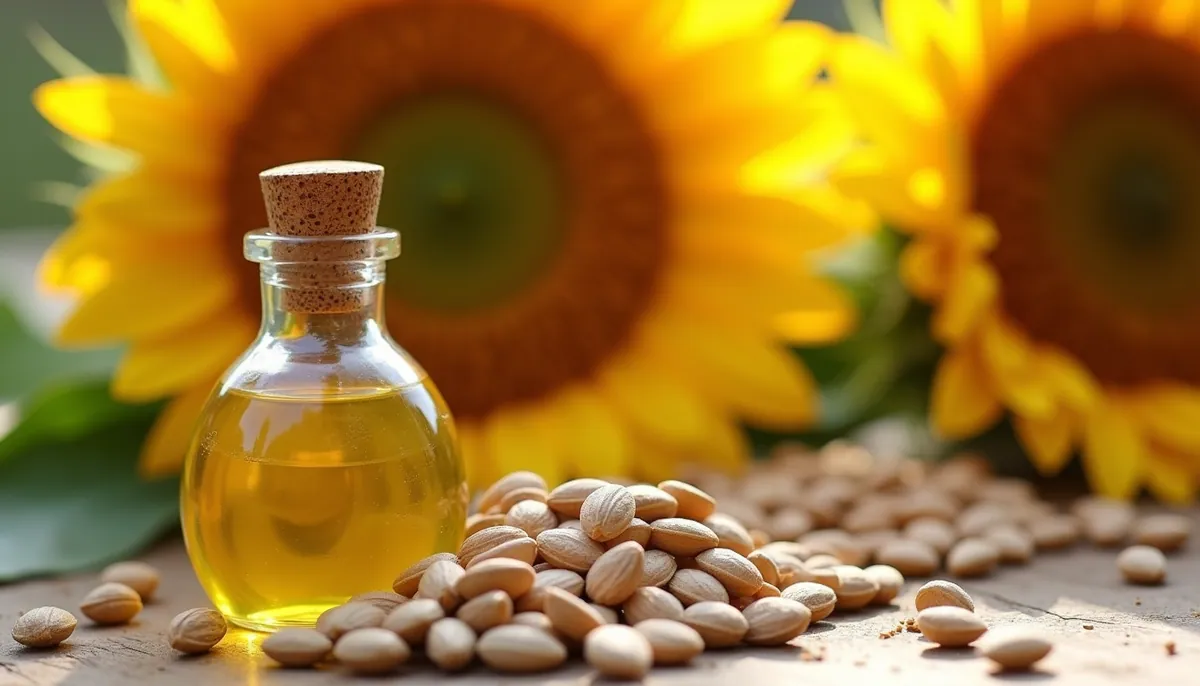
Understanding Nutrition in Sunflower Oil: A Comprehensive Guide
Refined sunflower oil is a popular choice in many industries due to its versatility and neutral flavor. As a wholesale buyer, manufacturer, or distributor, unde…
Understanding the Sunflower Oil Refining Process: How Refined Sunflower Oil Is Made
Refined sunflower oil is a staple in many industries, valued for its light taste, high smoke point, and versatility. For wholesale buyers, manufacturers, and di…