
Understanding Refined Sunflower Oil Details
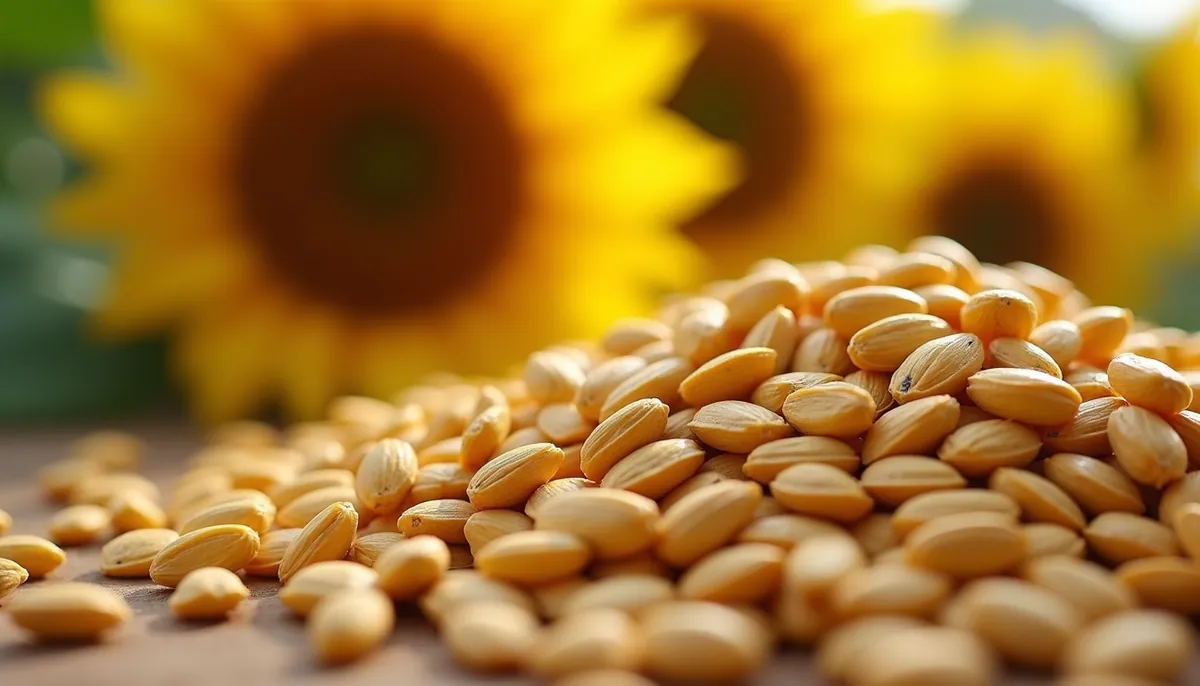
Sunflower oil is a popular cooking oil known for its light taste and high smoke point. Among its varieties, refined sunflower oil stands out for its versatility and widespread use in kitchens around the world. This article explores the details of refined sunflower oil, explaining what it is, how it is made, its benefits, and practical tips for using it effectively.
What Is Refined Sunflower Oil?
Refined sunflower oil is extracted from sunflower seeds and then processed to remove impurities, color, and odor. This refining process makes the oil more stable and suitable for cooking at high temperatures. The oil is typically light yellow and has a neutral flavor, which makes it ideal for frying, baking, and salad dressings.
The refining process involves several steps:
- Degumming: Removing phospholipids and other gums.
- Neutralization: Eliminating free fatty acids.
- Bleaching: Removing pigments and color.
- Deodorization: Eliminating odors and volatile compounds.
This process results in a clear, odorless oil that has a longer shelf life and better heat stability compared to unrefined oils.
Refined Sunflower Oil Details: Nutritional Profile and Health Benefits
Refined sunflower oil is rich in polyunsaturated fats, particularly linoleic acid, which is an essential fatty acid. It also contains vitamin E, a powerful antioxidant that helps protect cells from damage. Here are some key nutritional aspects:
- Low in saturated fat: Helps maintain healthy cholesterol levels.
- High in vitamin E: Supports skin health and immune function.
- Contains omega-6 fatty acids: Important for brain function and growth.
However, it is important to balance omega-6 intake with omega-3 fatty acids to avoid inflammation. Using refined sunflower oil in moderation as part of a balanced diet can contribute to heart health and overall wellness.
How Refined Sunflower Oil Is Used in Cooking
Refined sunflower oil is favored by many chefs and home cooks because of its neutral taste and high smoke point, which is around 450°F (232°C). This makes it suitable for various cooking methods:
- Frying: Ideal for deep frying and stir-frying due to its heat stability.
- Baking: Adds moisture without altering flavor.
- Salad dressings: Works well when mixed with vinegar or lemon juice.
- Sautéing: Perfect for cooking vegetables and meats evenly.
Because it does not overpower the taste of dishes, refined sunflower oil is a versatile choice in both savory and sweet recipes.

Tips for Selecting and Storing Refined Sunflower Oil
When choosing refined sunflower oil, consider the following tips to ensure quality and freshness:
- Check the label: Look for oils labeled as “refined” to ensure they have undergone the purification process.
- Opt for reputable brands: Trusted brands often maintain higher quality standards.
- Look for packaging: Dark glass bottles or tins protect the oil from light, preserving its quality.
- Check the expiration date: Use the oil before it expires to enjoy its best flavor and nutritional benefits.
For storage:
- Keep the oil in a cool, dark place away from heat and sunlight.
- Seal the bottle tightly after each use to prevent oxidation.
- Avoid storing near the stove or oven where heat exposure is frequent.
Environmental and Economic Aspects of Refined Sunflower Oil Production
Sunflower cultivation is widespread in many regions, making sunflower oil an accessible and affordable cooking oil. The refining process, while energy-intensive, helps reduce waste by improving oil stability and shelf life. Additionally, sunflower plants contribute to crop rotation practices that improve soil health.
From an economic perspective, refined sunflower oil supports agricultural communities and food industries by providing a reliable source of income and employment. Consumers benefit from a cost-effective oil that meets diverse cooking needs.
Making the Most of Refined Sunflower Oil in Your Kitchen
To maximize the benefits of refined sunflower oil, consider these practical recommendations:
- Use it for high-heat cooking to take advantage of its stability.
- Combine it with oils rich in omega-3 fatty acids, such as flaxseed or walnut oil, to balance your fat intake.
- Incorporate it into homemade dressings and marinades for a light, healthy flavor.
- Replace less healthy fats like butter or lard with refined sunflower oil to reduce saturated fat consumption.
By understanding the properties and uses of refined sunflower oil, you can make informed choices that enhance your cooking and support a healthy lifestyle.
Refined sunflower oil is a versatile and nutritious option for everyday cooking. Its neutral flavor, high smoke point, and health benefits make it a valuable addition to any kitchen pantry. Whether frying, baking, or dressing salads, this oil offers a reliable and affordable choice for a wide range of culinary applications.
Bulk supply and next steps
We supply bulk RBD sunflower oil direct from Kyiv, with lead times of typically 7 to 14 days from order confirmation. If you refine in-house, crude sunflower oil by the tank is the grade to ask for.
Exploring the Features of Refined Sunflower Oil Product covers neighbouring ground.
With a destination port and a volume we can quote the same week — put your requirement to us.
Related reading
Understanding the Sunflower Oil Refining Process: How Refined Sunflower Oil Is Made
Refined sunflower oil is a staple in many industries, valued for its light taste, high smoke point, and versatility. For wholesale buyers, manufacturers, and di…
Properties of Refined Sunflower Oil: Understanding Refined Sunflower Oil
Refined sunflower oil is a widely used cooking and industrial oil known for its light taste and high smoke point. It is extracted from sunflower seeds and then …
Refined Sunflower Oil Benefits: Understanding Refining and Its Impact
Sunflower oil is a popular choice in many industries due to its light taste and high smoke point. However, the oil you find on the market is often refined to me…