
The Step-by-Step Sunflower Oil Refining Process
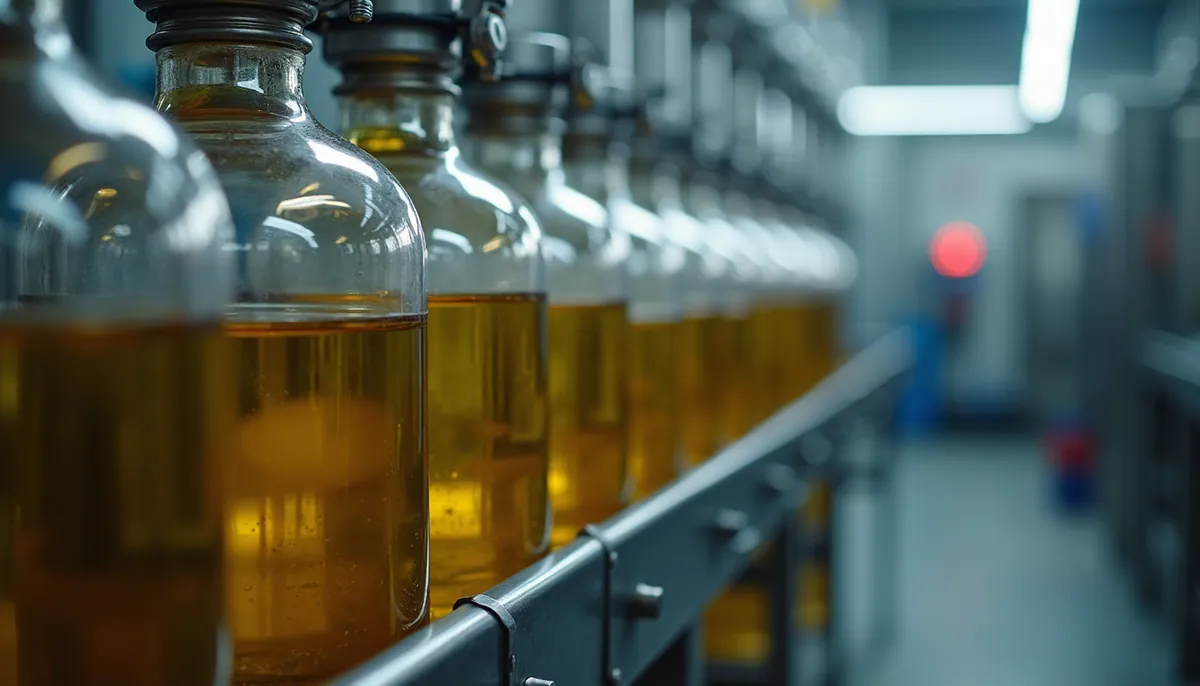
Sunflower oil is a popular cooking oil known for its light taste and high smoke point. However, the oil extracted directly from sunflower seeds is not ready for consumption. It contains impurities, free fatty acids, and other unwanted substances that affect its quality and shelf life. To make it suitable for cooking and other uses, sunflower oil undergoes a refining process. This article will guide you through the step-by-step sunflower oil refining process, explaining each stage in detail.
Understanding the Sunflower Oil Refining Process
The sunflower oil refining process is essential to improve the oil’s purity, taste, and stability. It involves several stages that remove impurities such as phospholipids, free fatty acids, pigments, and odors. The main steps include degumming, neutralization, bleaching, deodorization, and winterization.
- Degumming: This step removes phospholipids and mucilaginous substances that cause cloudiness in the oil. Water or acid is added to hydrate the gums, which are then separated by centrifugation.
- Neutralization: Free fatty acids (FFA) are removed by treating the oil with an alkali solution, usually sodium hydroxide. This forms soapstock, which is separated from the oil.
- Bleaching: The oil is treated with bleaching earth or activated carbon to remove pigments like carotenoids and chlorophyll, improving the oil’s color and clarity.
- Deodorization: Steam distillation under vacuum removes volatile compounds responsible for undesirable odors and flavors.
- Winterization (optional): This step removes waxes and other high melting point substances to prevent cloudiness when the oil is refrigerated.
Each of these steps is crucial to producing high-quality refined sunflower oil that meets food safety and quality standards.
Detailed Steps in the Sunflower Oil Refining Process
1. Degumming
The first stage in the refining process is degumming. Crude sunflower oil contains phospholipids that can cause the oil to appear cloudy and reduce its shelf life. To remove these, water or acid is added to the oil, which hydrates the gums. The hydrated gums become insoluble and can be separated by centrifugation.
Practical tip: Using phosphoric acid during degumming can improve the removal efficiency of gums and prepare the oil better for the next refining steps.
2. Neutralization
After degumming, the oil still contains free fatty acids (FFA) that can cause rancidity and off-flavors. Neutralization involves adding an alkali, typically sodium hydroxide, which reacts with the FFAs to form soapstock. This soapstock is then separated from the oil by centrifugation or settling.
Example: If the crude oil has 5% FFA, neutralization can reduce it to less than 0.1%, significantly improving the oil’s quality.
3. Bleaching
Bleaching removes pigments and other impurities that affect the oil’s color and stability. The oil is mixed with bleaching earth or activated carbon and heated under vacuum. The adsorbents bind to pigments like carotenoids and chlorophyll, which are then removed by filtration.
Actionable recommendation: Using high-quality bleaching earth and controlling temperature and contact time can optimize pigment removal without excessive oil loss.
4. Deodorization
Deodorization is a steam distillation process conducted under high vacuum and elevated temperatures (typically 200-250°C). It removes volatile compounds responsible for undesirable odors and flavors, such as aldehydes, ketones, and free fatty acids.
Important note: Proper control of temperature and vacuum is essential to avoid thermal degradation of the oil during deodorization.
5. Winterization (Optional)
Winterization is performed to remove waxes and other high melting point substances that cause cloudiness when the oil is refrigerated. The oil is cooled slowly, allowing waxes to crystallize, and then filtered to remove them.
Example: This step is especially important for sunflower oil used in salad dressings or refrigerated products.

Why Stay Away from Sunflower Oil?
While sunflower oil is widely used and considered healthy due to its high unsaturated fat content, there are some concerns to consider:
- High Omega-6 Fatty Acids: Sunflower oil contains a high amount of omega-6 fatty acids, which, when consumed excessively, can promote inflammation and imbalance the omega-6 to omega-3 ratio in the diet.
- Refining Process Impact: The refining process, especially deodorization at high temperatures, can reduce beneficial nutrients like vitamin E and produce trans fats if not carefully controlled.
- Oxidation Susceptibility: Sunflower oil is prone to oxidation, which can lead to the formation of harmful compounds if the oil is stored improperly or reused multiple times.
Recommendation: Use sunflower oil in moderation and opt for cold-pressed or minimally refined versions when possible. Also, avoid overheating the oil during cooking to preserve its nutritional quality.
Quality Control and Safety in Sunflower Oil Refining
Ensuring the quality and safety of refined sunflower oil requires strict monitoring throughout the refining process. Key parameters include:
- Free Fatty Acid Content: Should be minimized to improve shelf life.
- Peroxide Value: Indicates the extent of oxidation; lower values are better.
- Color and Clarity: Should meet industry standards for consumer appeal.
- Absence of Contaminants: Heavy metals, pesticides, and other contaminants must be within safe limits.
Modern refining plants use automated systems and laboratory testing to maintain these standards. Proper storage in cool, dark conditions also helps preserve the oil’s quality after refining.
The Role of the Refined Sunflower Oil Manufacturing Process in the Industry
The refined sunflower oil manufacturing process plays a vital role in producing edible oils that are safe, stable, and appealing to consumers. It allows manufacturers to transform crude oil into a product suitable for cooking, frying, and food preparation.
By optimizing each refining step, producers can enhance oil yield, reduce waste, and maintain nutritional value. This process also supports the growing demand for high-quality cooking oils in both domestic and international markets.
Actionable insight: Investing in modern refining technology and skilled operators can significantly improve product quality and profitability in the sunflower oil industry.
Final Thoughts on Sunflower Oil Refining
The sunflower oil refining process is a complex but essential series of steps that transform raw oil into a clean, stable, and tasty product. Understanding each stage—from degumming to winterization—helps appreciate the science and technology behind the oils we use daily.
Whether you are a producer, retailer, or consumer, knowing how sunflower oil is refined can guide better choices and promote healthier cooking practices. Always look for oils that have undergone proper refining and quality control to ensure safety and nutritional benefits.
By following these insights, you can enjoy the benefits of sunflower oil while minimizing potential drawbacks related to its composition and processing.
How we document each consignment
We contract refined sunflower oil shipped from Kyiv to the specification you agree in writing rather than to a published sheet. If you refine in-house, crude sunflower oil as a refinery input is the grade to ask for.
If you are assembling a full specification, Sunflower Oil Phosphorus Content is the companion piece.
Give us a port and a volume and we will quote it: tell us what you need.
Related reading
Understanding the Sunflower Oil Refining Process: How Refined Sunflower Oil Is Made
Refined sunflower oil is a staple in many industries, valued for its light taste, high smoke point, and versatility. For wholesale buyers, manufacturers, and di…
Refined Sunflower Oil Production Process: A Comprehensive Overview
Refined sunflower oil is a staple in many industries, valued for its light taste, high smoke point, and nutritional benefits. Understanding the sunflower oil pr…
Refined Sunflower Oil Benefits: Understanding Refining and Its Impact
Sunflower oil is a popular choice in many industries due to its light taste and high smoke point. However, the oil you find on the market is often refined to me…