
Enhance Your Dishes with Uses for Sunflower Oil

Sunflower oil is a versatile and healthy cooking oil that can elevate the flavor and texture of your meals. Extracted from sunflower seeds, this oil is known for its light taste and high smoke point, making it ideal for various cooking methods. Whether you are frying, baking, or dressing salads, sunflower oil can be a great addition to your kitchen pantry.
Discover the Many Uses for Sunflower Oil in Cooking
Sunflower oil is prized for its neutral flavor and ability to blend well with other ingredients. It is perfect for sautéing vegetables, frying meats, or even making homemade dressings and marinades. Because it has a high smoke point of around 440°F (227°C), it is less likely to break down and produce harmful compounds when heated, unlike some other oils.
Here are some practical ways to use sunflower oil in your cooking:
- Frying and sautéing: Its high smoke point makes it excellent for frying chicken, fish, or potatoes to a crispy golden finish.
- Baking: Use sunflower oil in cakes, muffins, and bread for moist and tender results.
- Salad dressings: Combine sunflower oil with vinegar, lemon juice, and herbs for a light and healthy dressing.
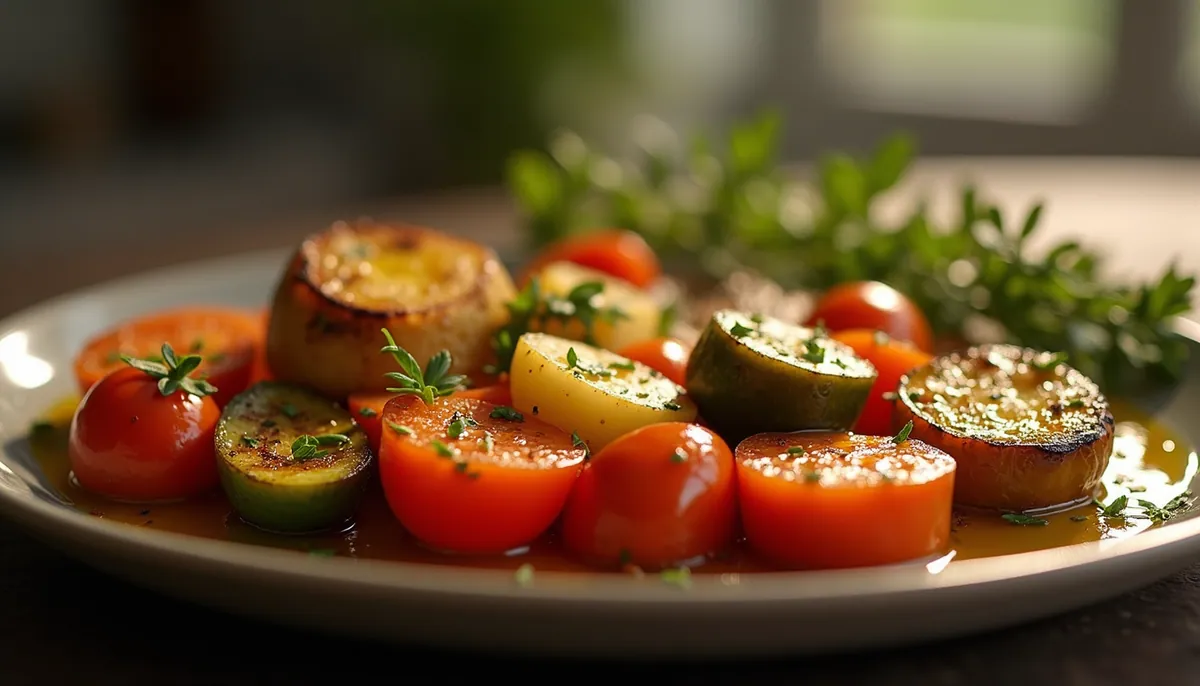
- Roasting: Drizzle sunflower oil over vegetables before roasting to enhance caramelization and flavor.
- Grilling: Brush sunflower oil on meats or vegetables to prevent sticking and add a subtle richness.
Nutritional Benefits and Health Aspects of Sunflower Oil
Sunflower oil is not only a culinary asset but also offers several health benefits. It is rich in vitamin E, an antioxidant that helps protect cells from damage. Additionally, sunflower oil contains unsaturated fats, which are considered heart-healthy fats that can help reduce bad cholesterol levels.
Some key nutritional highlights include:
- High in Vitamin E: Supports skin health and immune function.
- Low in saturated fat: Helps maintain healthy cholesterol levels.
- Contains omega-6 fatty acids: Essential for brain function and growth.
- Cholesterol-free: Suitable for heart-conscious diets.
When choosing sunflower oil, opt for cold-pressed or unrefined varieties to maximize nutrient retention. However, moderation is key, as excessive consumption of omega-6 fatty acids without balancing omega-3 intake may lead to inflammation.
How to Incorporate Sunflower Oil into Your Daily Meals
Incorporating sunflower oil into your daily cooking routine is simple and rewarding. Here are some actionable tips to get started:
- Swap your usual cooking oil: Replace butter or other oils with sunflower oil for frying or baking.
- Make homemade mayonnaise: Use sunflower oil as the base for a light and creamy mayo.
- Prepare quick stir-fries: Heat sunflower oil in a wok and toss in your favorite vegetables and proteins.
- Create infused oils: Add herbs or spices to sunflower oil for unique flavors in dressings or dips.
- Use as a finishing oil: Drizzle a small amount over cooked dishes to add a subtle nutty aroma.
By experimenting with sunflower oil in different recipes, you can discover new flavors and textures that enhance your meals.
Tips for Selecting and Storing Sunflower Oil
To get the best quality and flavor from sunflower oil, consider the following tips when purchasing and storing:
- Choose cold-pressed or extra virgin: These types retain more nutrients and have a richer flavor.
- Check the expiration date: Fresh oil ensures better taste and nutritional value.
- Store in a cool, dark place: Exposure to heat and light can cause the oil to go rancid.
- Use airtight containers: Prevent oxidation by keeping the oil sealed tightly.
- Avoid plastic containers: Glass bottles are preferable for maintaining oil quality.
Proper storage can extend the shelf life of sunflower oil and keep it fresh for your cooking needs.
Beyond Cooking: Other Practical Uses for Sunflower Oil
Sunflower oil is not limited to the kitchen. It has several other practical applications that can benefit your daily life:
- Skin moisturizer: Its light texture makes it an excellent natural moisturizer for dry skin.
- Hair care: Use sunflower oil as a nourishing hair treatment to add shine and reduce frizz.
- Massage oil: Its smooth consistency is ideal for relaxing massages.
- Homemade cosmetics: Incorporate sunflower oil into DIY lotions, lip balms, and scrubs.
- Wood polish: A natural alternative for polishing wooden furniture and cutting boards.
These additional uses make sunflower oil a versatile product worth keeping at home.
Enhance your cooking and lifestyle by exploring the many sunflower oil uses available to you. Its mild flavor, health benefits, and versatility make it a valuable ingredient in any kitchen.
By integrating sunflower oil into your recipes and daily routines, you can enjoy healthier meals and discover new ways to care for your skin and hair. Whether you are frying, baking, or creating homemade beauty products, sunflower oil offers a natural and effective solution. Give it a try and see how it can enhance your dishes and beyond!
Bulk supply for kitchens and plants
Refine Sunflower Oil supplies refined sunflower oil in flexitank or ISO tank to food manufacturers and foodservice buyers under HACCP and ISO 22000. We also carry sunflower oil for wholesale buyers for buyers who need it.
If performance in the fryer is the question, Innovative Uses of Sunflower Oil in Daily Life is the companion piece.
Email our export team and include your required packing format and destination.
Related reading
Exploring Refined Sunflower Oil Uses: A Comprehensive Guide for Wholesale Buyers and Manufacturers
Refined sunflower oil is a versatile and widely used cooking oil that has gained significant attention in the global market. Its neutral flavor, high smoke poin…

Refined Sunflower Oil: Benefits and Uses
Refined sunflower oil is a versatile and widely used cooking oil that has gained popularity in various industries. Its neutral flavor, high smoke point, and hea…
Refined Sunflower Oil Overview: Understanding Refined Sunflower Oil and Its Uses
Refined sunflower oil is a staple ingredient in many industries, especially in food manufacturing and wholesale distribution. Its versatility and quality make i…